Department of Critical Care Medicine, University of Pittsburgh, Pittsburgh, Pennsylvania, USA.
Nat Neurosci. 2012 Oct;15(10):1407-13. doi: 10.1038/nn.3195. Epub 2012 Aug 26.
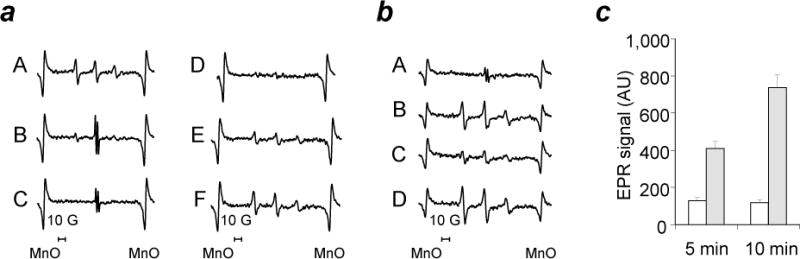
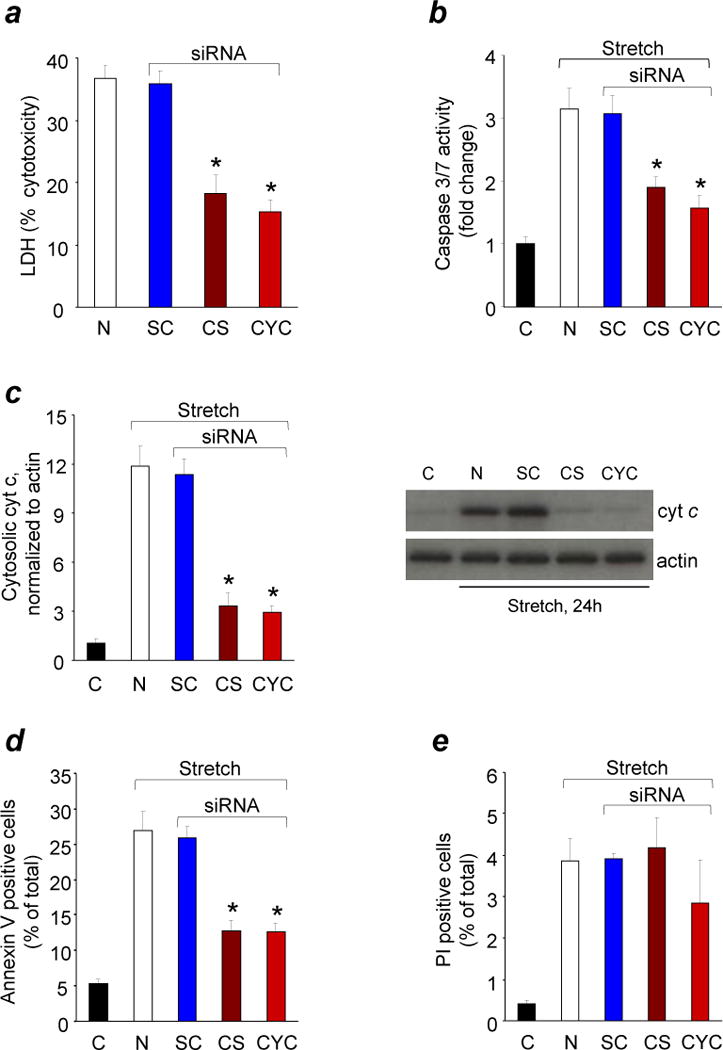
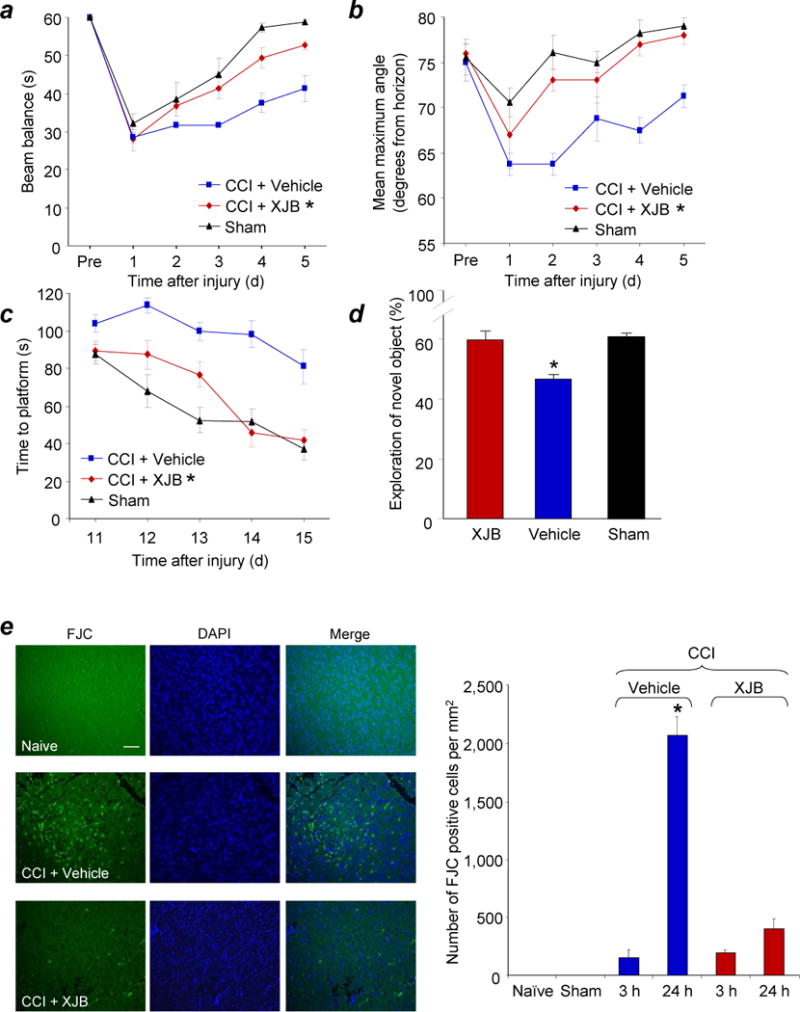
The brain contains a highly diversified complement of molecular species of a mitochondria-specific phospholipid, cardiolipin, which, because of its polyunsaturation, can readily undergo oxygenation. Using global lipidomics analysis in experimental traumatic brain injury (TBI), we found that TBI was accompanied by oxidative consumption of polyunsaturated cardiolipin and the accumulation of more than 150 new oxygenated molecular species of cardiolipin. RNAi-based manipulations of cardiolipin synthase and cardiolipin levels conferred resistance to mechanical stretch, an in vitro model of traumatic neuronal injury, in primary rat cortical neurons. By applying a brain-permeable mitochondria-targeted electron scavenger, we prevented cardiolipin oxidation in the brain, achieved a substantial reduction in neuronal death both in vitro and in vivo, and markedly reduced behavioral deficits and cortical lesion volume. We conclude that cardiolipin oxygenation generates neuronal death signals and that prevention of it by mitochondria-targeted small molecule inhibitors represents a new target for neuro-drug discovery.
大脑中含有高度多样化的线粒体特异性磷脂,心磷脂的分子种类,由于其多不饱和性,很容易发生氧化。在实验性创伤性脑损伤(TBI)中使用全脂质组学分析,我们发现 TBI 伴随着多不饱和心磷脂的氧化消耗和超过 150 种新的心磷脂氧合分子种类的积累。基于 RNAi 的心磷脂合酶和心磷脂水平的操作赋予了原代大鼠皮质神经元抵抗机械拉伸的能力,这是创伤性神经元损伤的体外模型。通过应用一种脑穿透性线粒体靶向电子清除剂,我们在大脑中阻止了心磷脂的氧化,在体外和体内都显著减少了神经元死亡,并显著减少了行为缺陷和皮质损伤体积。我们得出结论,心磷脂的氧化会产生神经元死亡信号,而通过线粒体靶向小分子抑制剂来预防心磷脂的氧化代表了神经药物发现的一个新靶点。