Waring W Stephen
Acute Medical Unit, York Teaching Hospital NHS Foundation Trust, York, UK.
Drug Healthc Patient Saf. 2012;4:93-101. doi: 10.2147/DHPS.S28804. Epub 2012 Aug 17.
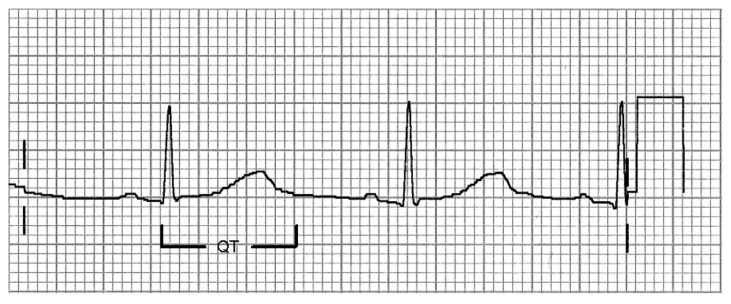
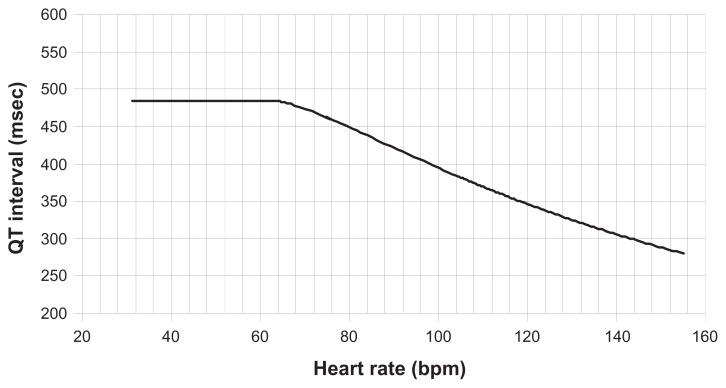
A number of different psychotropic agents have been associated with an increased risk of cardiovascular disease, and these relationships have been difficult to interpret due to the presence of confounding factors. Recently, there has been renewed interest in the potential for certain antidepressants to cause QT prolongation, which is a predisposing factor for arrhythmia. However, the optimum means of determining QT remains contentious due to discrepancies between methods that may be readily applied in a clinical setting versus more detailed techniques during regulatory assessment. A number of different pharmacological mechanisms might explain the occurrence of adverse cardiac effects, and these differ according to the type of antidepressant agent. Emerging data indicate that citalopram exhibits a dose-effect relationship for QT prolongation. Whereas cardiotoxicity is readily apparent in the context of intentional antidepressant overdose, the occurrence of cardiac effects as a result of therapeutic administration is less certain. Pre-existing cardiac disease and other factors that independently predispose to arrhythmia are important considerations. Therefore, clinical judgment is needed to evaluate the overall risk or benefit of a particular antidepressant in any patient. Close monitoring should be considered for those at greatest risk of QT prolongation and arrhythmia.
多种不同的精神药物与心血管疾病风险增加有关,由于存在混杂因素,这些关系难以解释。最近,人们对某些抗抑郁药导致QT间期延长的可能性重新产生了兴趣,QT间期延长是心律失常的一个诱发因素。然而,由于临床环境中可轻易应用的方法与监管评估期间更详细的技术之间存在差异,确定QT间期的最佳方法仍存在争议。多种不同的药理机制可能解释心脏不良反应的发生,并且这些机制因抗抑郁药的类型而异。新出现的数据表明,西酞普兰在QT间期延长方面呈现剂量效应关系。虽然在故意过量服用抗抑郁药的情况下心脏毒性很明显,但治疗给药导致心脏效应的发生情况尚不确定。既往存在的心脏病和其他独立易患心律失常的因素是重要的考虑因素。因此,需要临床判断来评估任何患者使用特定抗抑郁药的总体风险或益处。对于QT间期延长和心律失常风险最高的患者,应考虑密切监测。