Dean Brian
The Rebecca L. Cooper Research Laboratories, The Mental Health Research Institute, Locked bag 11, Parkville, VIC 3052, Australia.
Schizophr Res Treatment. 2011;2011:614730. doi: 10.1155/2011/614730. Epub 2011 Jun 18.
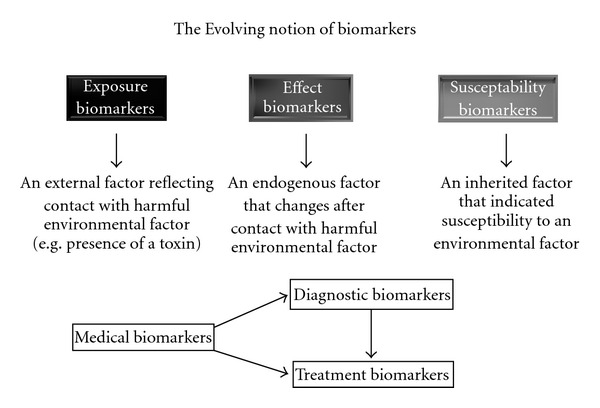
The search for clinically useful biomarkers has been one of the holy grails of schizophrenia research. This paper will outline the evolving notion of biomarkers and then outline outcomes from a variety of biomarkers discovery strategies. In particular, the impact of high-throughput screening technologies on biomarker discovery will be highlighted and how new or improved technologies may allow the discovery of either diagnostic biomarkers for schizophrenia or biomarkers that will be useful in determining appropriate treatments for people with the disorder. History tells those involved in biomarker research that the discovery and validation of useful biomarkers is a long process and current progress must always be viewed in that light. However, the approval of the first biomarker screen with some value in predicting responsiveness to antipsychotic drugs suggests that biomarkers can be identified and that these biomarkers that will be useful in diagnosing and treating people with schizophrenia.
寻找具有临床应用价值的生物标志物一直是精神分裂症研究的圣杯之一。本文将概述生物标志物概念的演变,然后概述各种生物标志物发现策略的成果。特别是,将重点介绍高通量筛选技术对生物标志物发现的影响,以及新的或改进的技术如何能够发现精神分裂症的诊断生物标志物或有助于确定该疾病患者合适治疗方法的生物标志物。历史告诉生物标志物研究领域的从业者,有用生物标志物的发现和验证是一个漫长的过程,当前的进展必须始终从这一角度来看待。然而,首个在预测抗精神病药物反应性方面具有一定价值的生物标志物筛查获得批准,这表明可以识别出生物标志物,并且这些生物标志物将有助于诊断和治疗精神分裂症患者。