Computational Genomics Department, National Institute of Genomic Medicine, México City, México.
PLoS One. 2012;7(8):e42678. doi: 10.1371/journal.pone.0042678. Epub 2012 Aug 27.
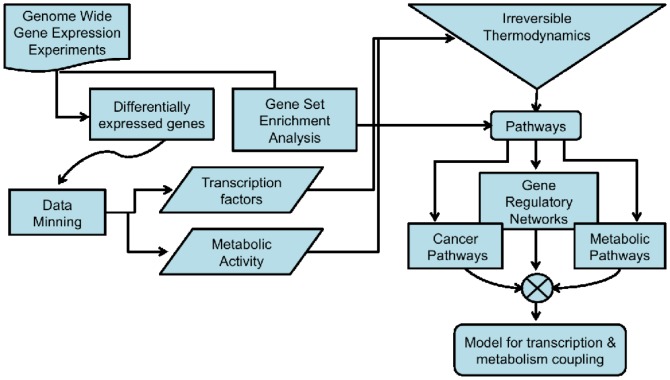
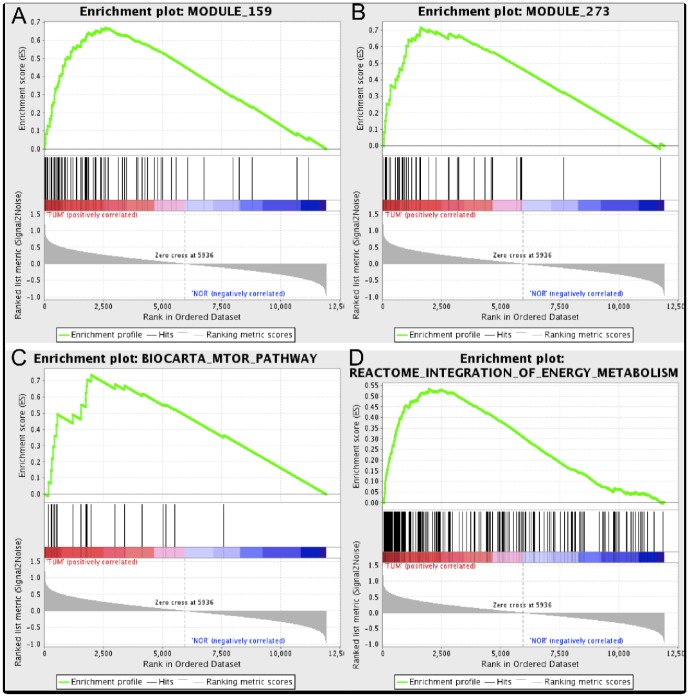
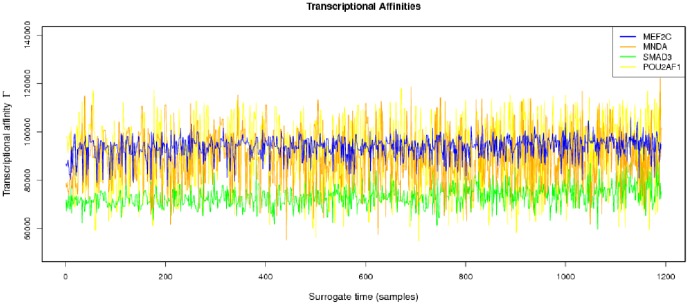
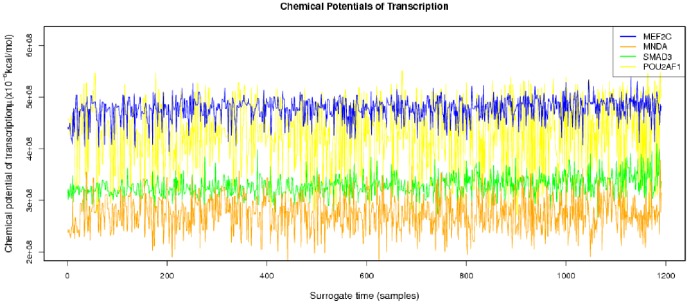
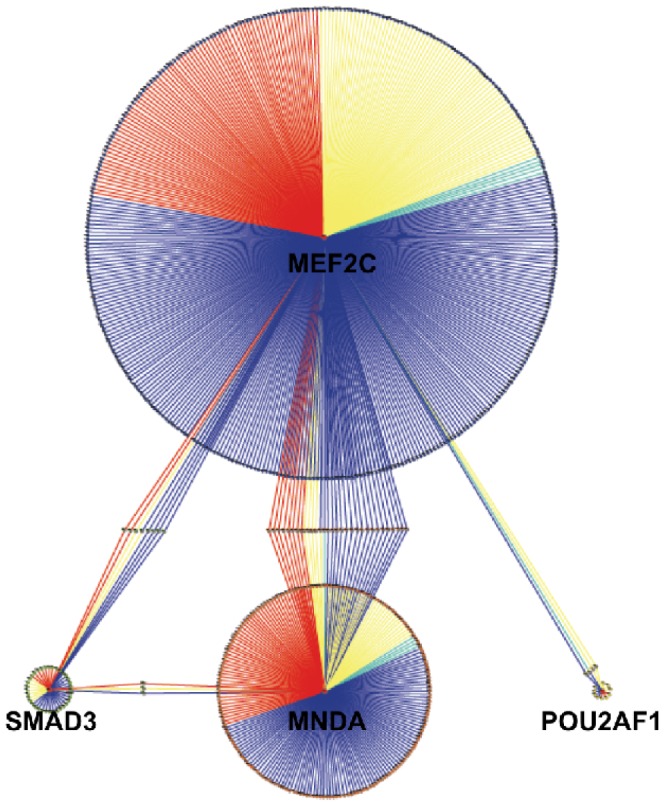
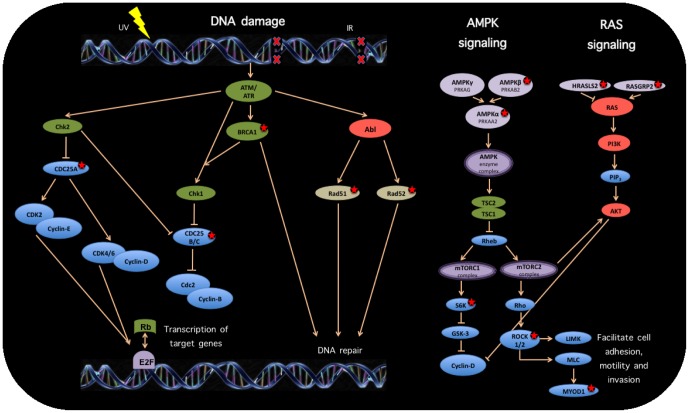
Metabolic transformations have been reported as involved in neoplasms survival. This suggests a role of metabolic pathways as potential cancer pharmacological targets. Modulating tumor's energy production pathways may become a substantial research area for cancer treatment. The significant role of metabolic deregulation as inducing transcriptional instabilities and consequently whole-system failure, is thus of foremost importance. By using a data integration approach that combines experimental evidence for high-throughput genome wide gene expression, a non-equilibrium thermodynamics analysis, nonlinear correlation networks as well as database mining, we were able to outline the role that transcription factors MEF2C and MNDA may have as main master regulators in primary breast cancer phenomenology, as well as the possible interrelationship between malignancy and metabolic dysfunction. The present findings are supported by the analysis of 1191 whole genome gene expression experiments, as well as probabilistic inference of gene regulatory networks, and non-equilibrium thermodynamics of such data. Other evidence sources include pathway enrichment and gene set enrichment analyses, as well as motif comparison with a comprehensive gene regulatory network (of homologue genes) in Arabidopsis thaliana. Our key finding is that the non-equilibrium free energies provide a realistic description of transcription factor activation that when supplemented with gene regulatory networks made us able to find deregulated pathways. These analyses also suggest a novel potential role of transcription factor energetics at the onset of primary tumor development. Results are important in the molecular systems biology of cancer field, since deregulation and coupling mechanisms between metabolic activity and transcriptional regulation can be better understood by taking into account the way that master regulators respond to physicochemical constraints imposed by different phenotypic conditions.
代谢转化已被报道与肿瘤的存活有关。这表明代谢途径作为潜在的癌症药物靶点具有重要作用。调节肿瘤的能量产生途径可能成为癌症治疗的一个重要研究领域。代谢失调作为诱导转录不稳定性进而导致整个系统失效的重要作用,因此具有首要意义。通过使用一种数据整合方法,该方法结合了高通量全基因组基因表达的实验证据、非平衡热力学分析、非线性相关网络以及数据库挖掘,我们能够概述转录因子 MEF2C 和 MNDA 在原发性乳腺癌表型中可能作为主要主控调节因子的作用,以及恶性肿瘤和代谢功能障碍之间的可能相互关系。本研究结果得到了 1191 个全基因组基因表达实验的分析、基因调控网络的概率推断以及此类数据的非平衡热力学的支持。其他证据来源包括途径富集和基因集富集分析,以及与拟南芥同源基因的综合基因调控网络的基序比较。我们的主要发现是,非平衡自由能提供了转录因子激活的现实描述,当与基因调控网络结合使用时,使我们能够找到失调的途径。这些分析还表明,转录因子能量在原发性肿瘤发展初期具有新的潜在作用。这些结果在癌症领域的分子系统生物学中非常重要,因为通过考虑主控调节因子对不同表型条件下物理化学限制的响应方式,可以更好地理解代谢活性和转录调控之间的失调和耦合机制。