Malčík Dominik, Drahanský Martin
Brno University of Technology, Božetĕchova, Brno, Czech Republic.
J Biomed Biotechnol. 2012;2012:490362. doi: 10.1155/2012/490362. Epub 2012 Aug 26.
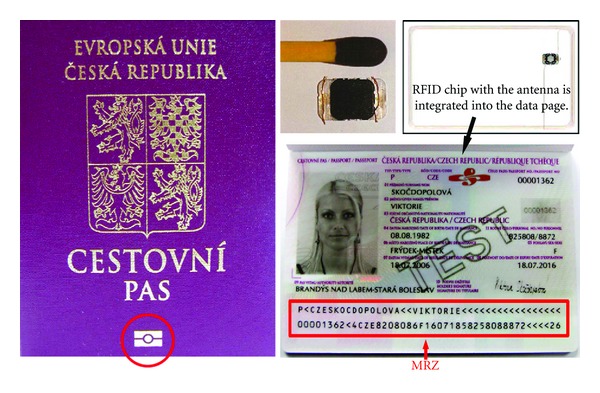
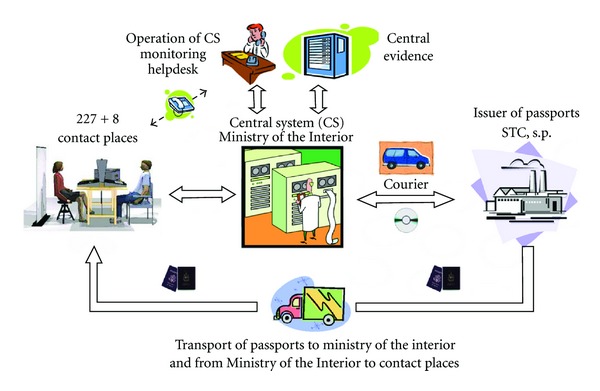
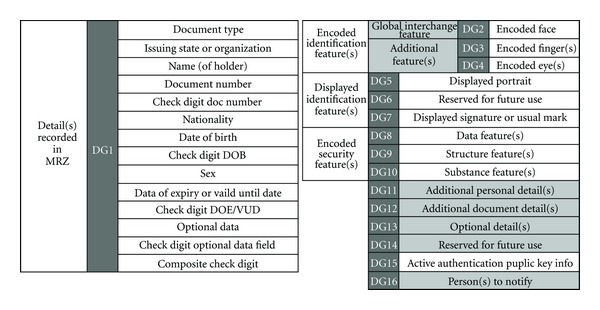
Travelling is becoming available for more and more people. Millions of people are on a way every day. That is why a better control over global human transfer and a more reliable identity check is desired. A recent trend in a field of personal identification documents is to use RFID (Radio Frequency Identification) technology and biometrics, especially (but not only) in passports. This paper provides an insight into the electronic passports (also called e-passport or ePassport) implementation chosen in the Czech Republic. Such a summary is needed for further studies of biometric passports implementation security and biometric passports analysis. A separate description of the Czech solution is a prerequisite for a planned analysis, because of the uniqueness of each implementation. (Each country can choose the implementation details within a range specified by the ICAO (International Civil Aviation Organisation); moreover, specific security mechanisms are optional and can be omitted).
旅行对于越来越多的人来说变得可行。每天都有数百万人踏上旅途。这就是为什么需要更好地控制全球人员流动并进行更可靠的身份核查。个人身份证件领域最近的一个趋势是使用射频识别(RFID)技术和生物识别技术,特别是(但不限于)在护照中。本文深入探讨了捷克共和国选择实施的电子护照(也称为e护照或电子护照)。对于生物识别护照实施安全性的进一步研究和生物识别护照分析而言,这样的总结是必要的。由于每个实施方式都具有独特性,对捷克解决方案进行单独描述是进行计划分析的前提条件。(每个国家可以在国际民用航空组织(ICAO)规定的范围内选择实施细节;此外,特定的安全机制是可选的,可以省略)。