Sarfraz Nuraiz
Internal Medicine, King Edward Medical University/Mayo Hospital, Faisalabad, PAK.
Cureus. 2019 Feb 8;11(2):e4040. doi: 10.7759/cureus.4040.
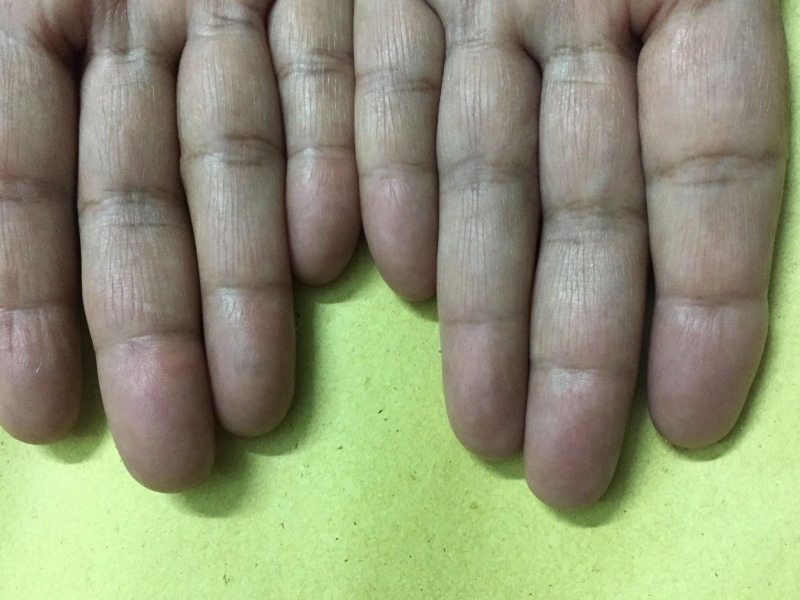
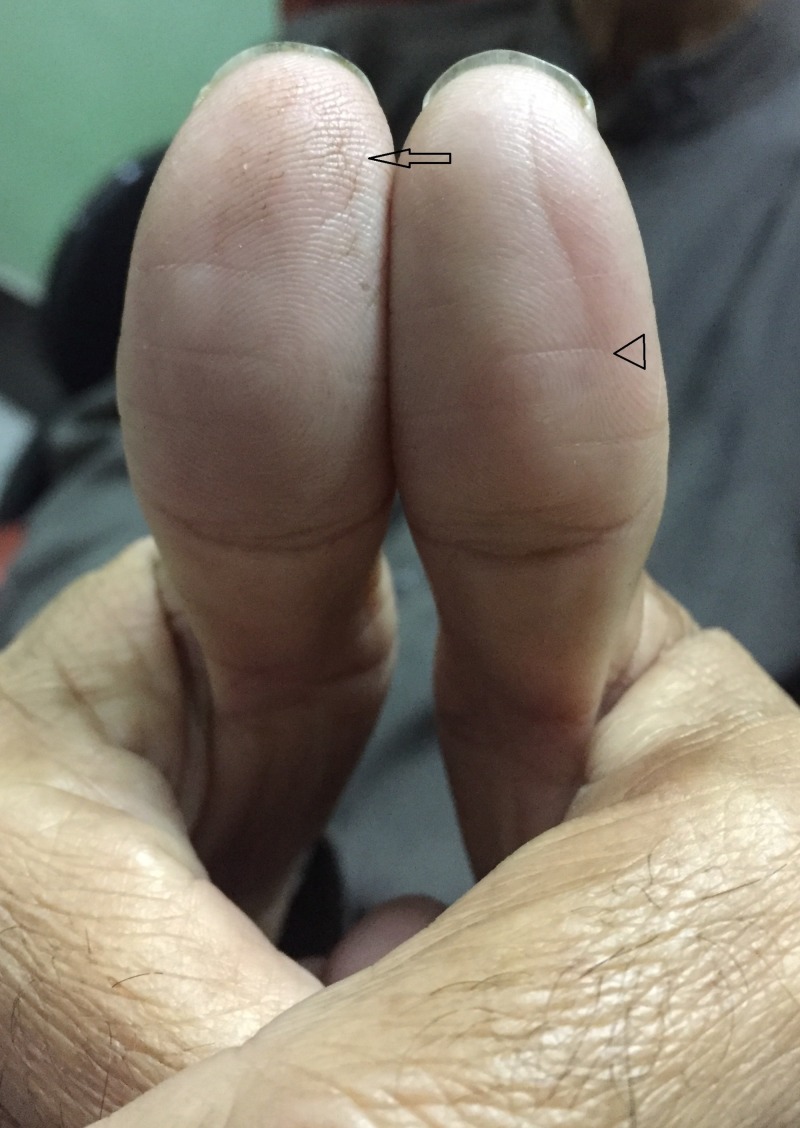
Arguably, fingerprinting is the single most widely utilized method for individual identification and authentication (I&A). Dermatoglyphics form a vital portion of mass data collection, biometric scrutiny, and verification. Adermatoglyphia, or simply, loss of fingerprints attributed to a medical cause, represents a taxing situation for such biometric scrutiny systems requiring a fingerprint scan as a mandatory phase in I&A procedure. The scenario can be extremely debilitating for the adermatoglyphia patients, especially when the condition is permanent or irreversible. This article reviews different causes of adermatoglyphia, the challenge it poses to biometric identification, and the potential substitute modalities for fingerprinting technology. These modalities can function as a backup program for biometric surveillance in both medical and non-medical settings under circumstances when the fingerprinting method fails to comply.
可以说,指纹识别是用于个人身份识别和认证(I&A)的最广泛使用的单一方法。皮纹学是海量数据收集、生物特征审查和验证的重要组成部分。无指纹症,或者简单地说,因医学原因导致的指纹缺失,对于这种需要在身份识别与认证程序中将指纹扫描作为强制阶段的生物特征审查系统来说,是一种棘手的情况。这种情况对无指纹症患者可能极其不利,尤其是当病情是永久性或不可逆的时候。本文回顾了无指纹症的不同成因、它对生物特征识别构成的挑战,以及指纹识别技术的潜在替代模式。在指纹识别方法无法适用的情况下,这些模式可作为医疗和非医疗环境中生物特征监测的备用方案。