Department of Nuclear Medicine, University Clinic of Navarra, Avenida Pío XII 36, 31008 Pamplona, Spain.
J Oncol. 2012;2012:710561. doi: 10.1155/2012/710561. Epub 2012 Aug 29.
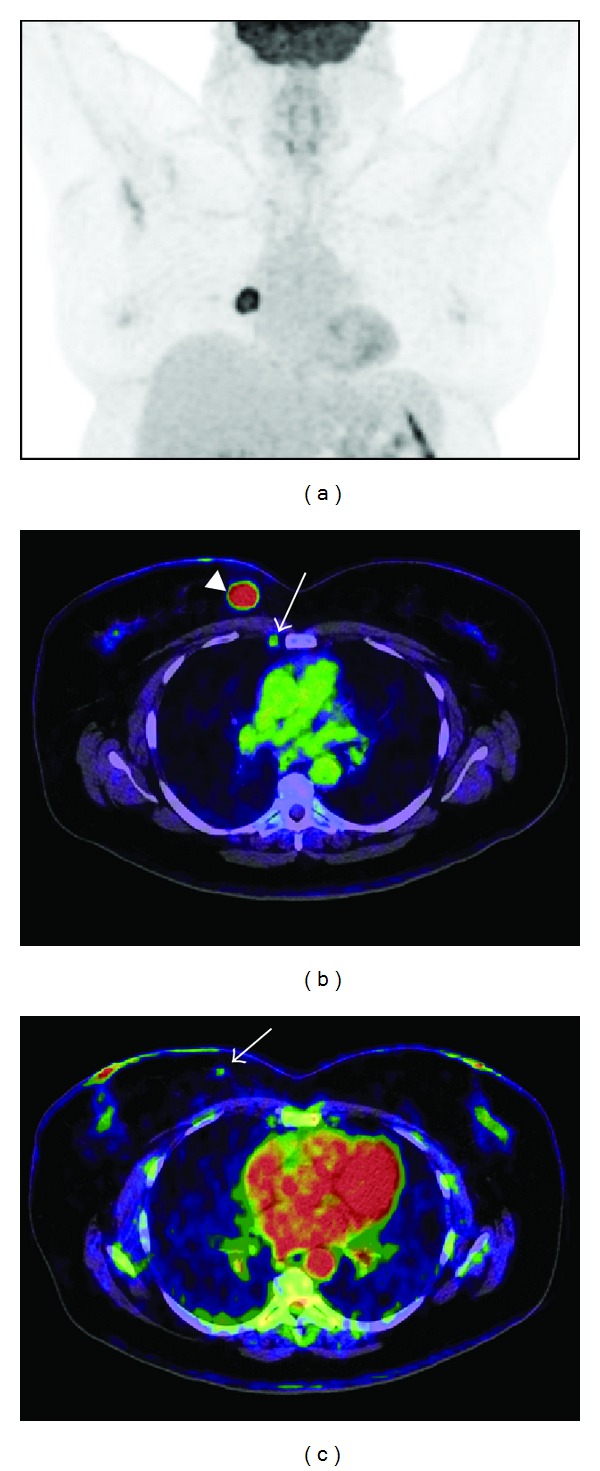
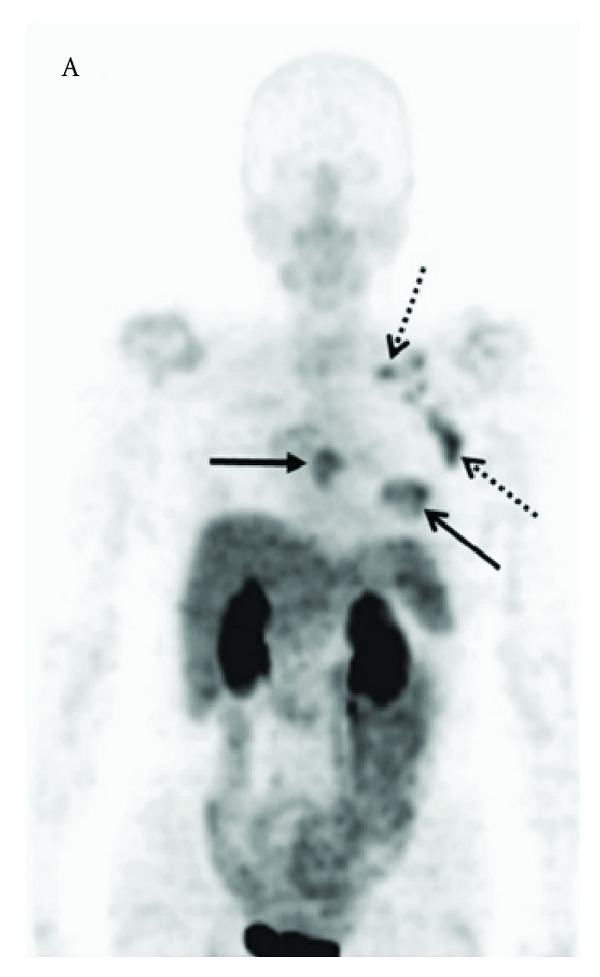
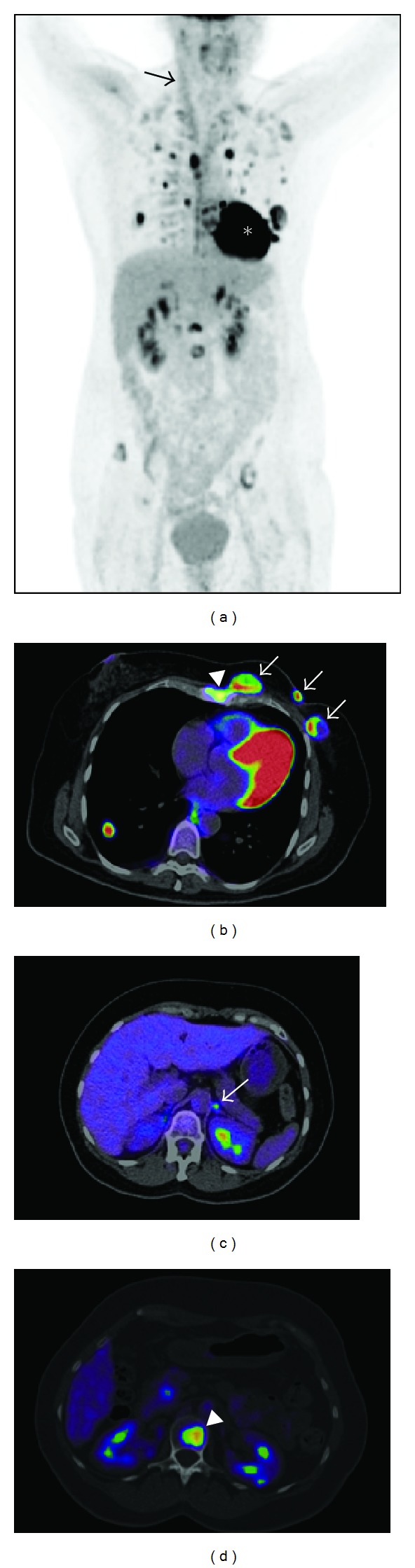
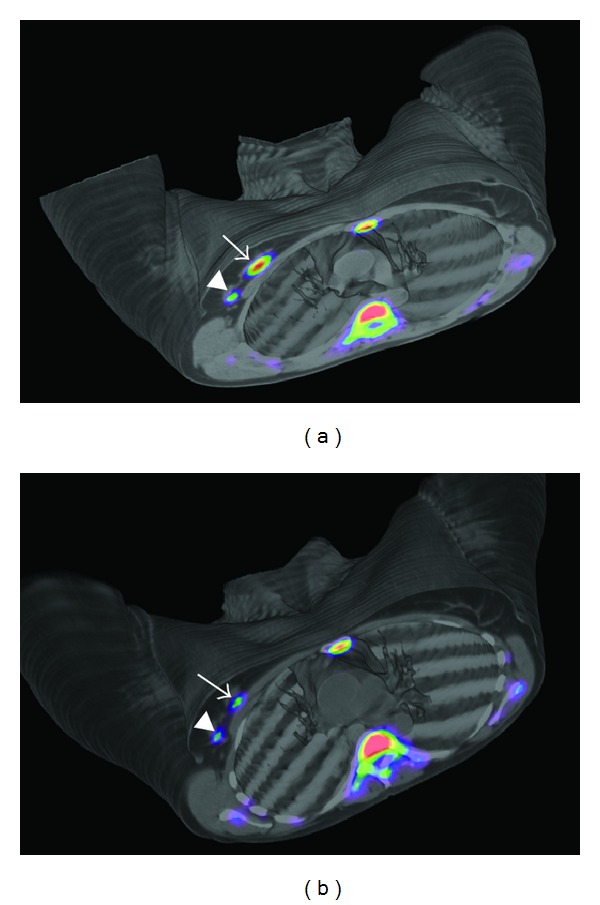
Molecular imaging of breast cancer has undoubtedly permitted a substantial development of the overall diagnostic accuracy of this malignancy in the last years. Accurate tumour staging, design of individually suited therapies, response evaluation, early detection of recurrence and distant lesions have also evolved in parallel with the development of novel molecular imaging approaches. In this context, positron emission tomography (PET) can be probably seen as the most interesting molecular imaging technology with straightforward clinical application for such purposes. Dozens of radiotracers for PET imaging of breast cancer have been tested in laboratory animals. However, in this review we shall focus mainly in the smaller group of PET radiopharmaceuticals that have lead through into the clinical setting. PET imaging can be used to target general metabolic phenomena related to tumoural transformation, including glucose metabolism and cell proliferation, but can also be directed to specific hormone receptors that are characteristic of the breast cancer cell. Many other receptors and transport molecules present in the tumour cells could also be of interest for imaging. Furthermore, molecules related with the tumour microenvironment, tumour induced angiogenesis or even hypoxia could also be used as molecular biomarkers for breast cancer imaging.
近年来,分子成像技术无疑使乳腺癌的整体诊断准确性得到了显著提高。随着新型分子成像方法的发展,肿瘤分期、个体化治疗方案设计、疗效评估、早期复发和远处转移病灶的检测也取得了进展。在这方面,正电子发射断层扫描(PET)可能是最有趣的分子成像技术,可直接用于这些目的。已经在实验动物中测试了数十种用于乳腺癌 PET 成像的放射性示踪剂。然而,在这篇综述中,我们主要关注的是已经进入临床应用的较小一组 PET 放射性药物。PET 成像可用于靶向与肿瘤转化相关的一般代谢现象,包括葡萄糖代谢和细胞增殖,但也可用于针对乳腺癌细胞特有的特定激素受体。肿瘤细胞中存在的许多其他受体和转运分子也可能对成像感兴趣。此外,与肿瘤微环境、肿瘤诱导的血管生成甚至缺氧相关的分子也可以作为乳腺癌成像的分子生物标志物。