Lukuru Wildlife Research Foundation, Kinshasa, Gombe, Democratic Republic of Congo ; Division of Vertebrate Zoology, Yale Peabody Museum of Natural History, New Haven, Connecticut, United States of America.
PLoS One. 2012;7(9):e44271. doi: 10.1371/journal.pone.0044271. Epub 2012 Sep 12.
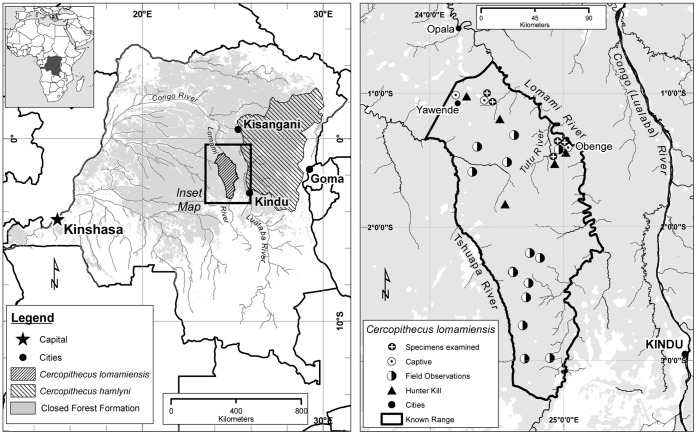
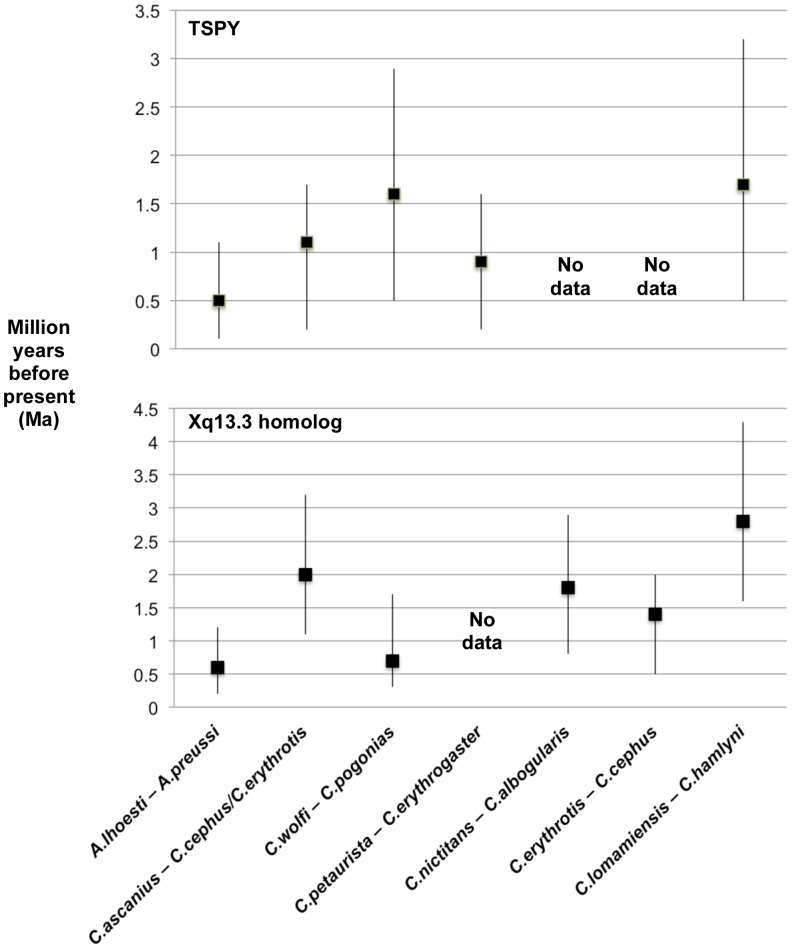
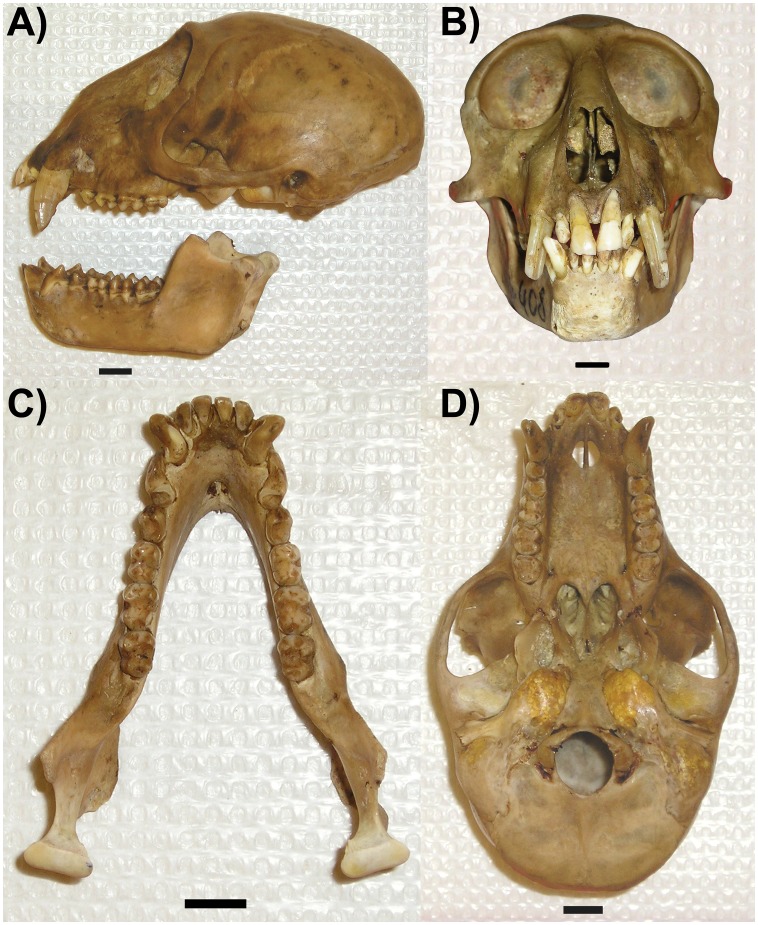
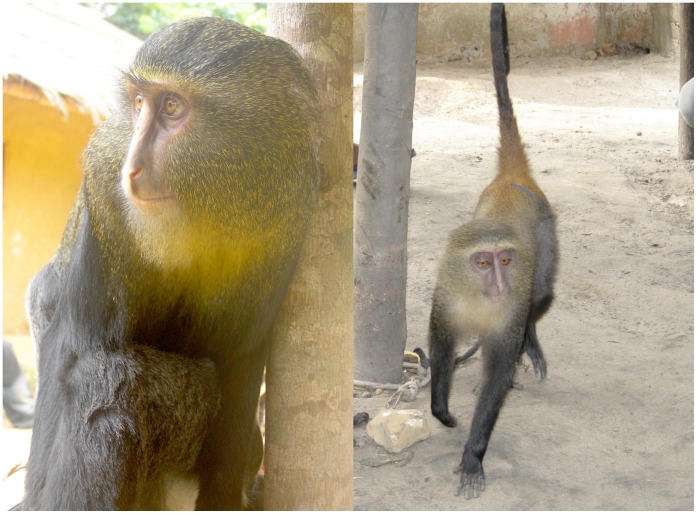
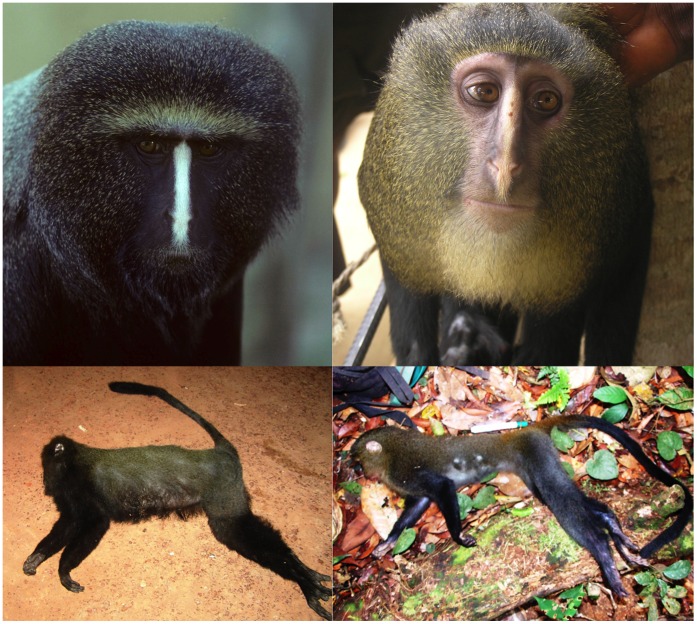
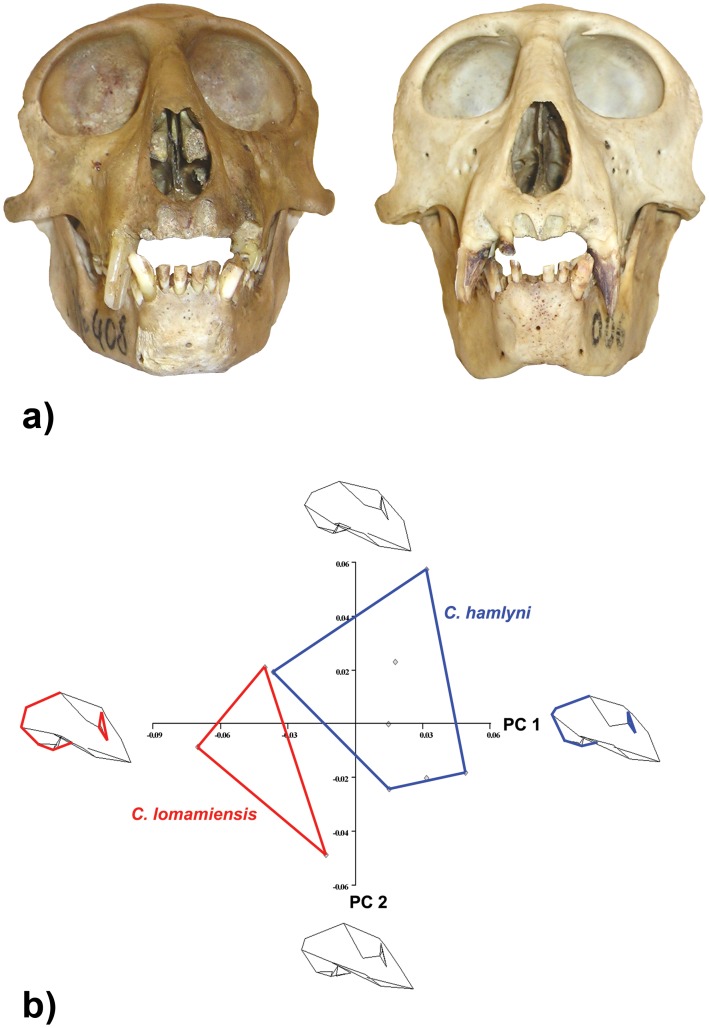
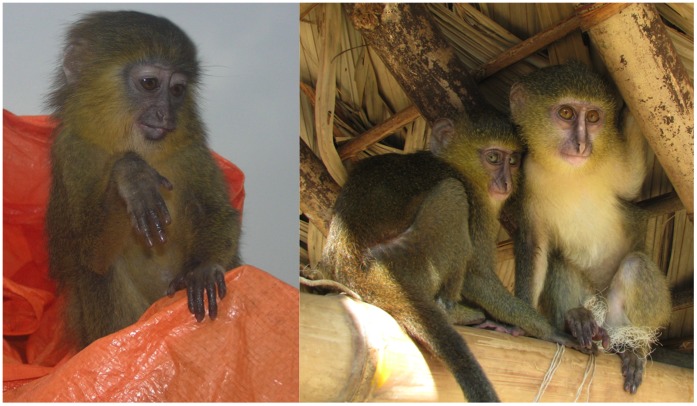
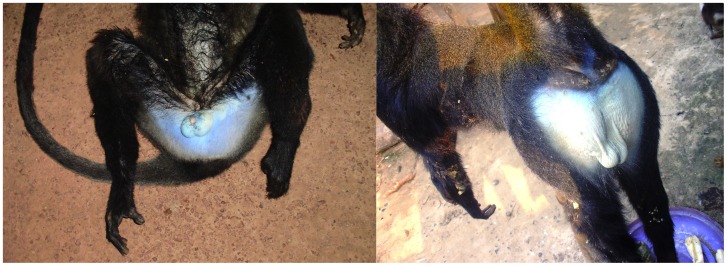
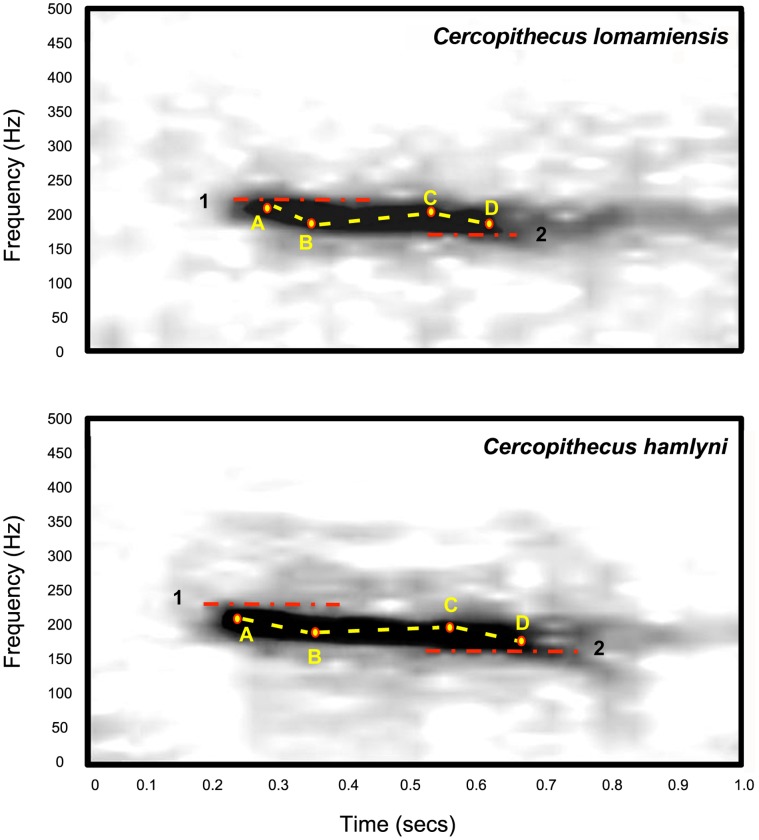
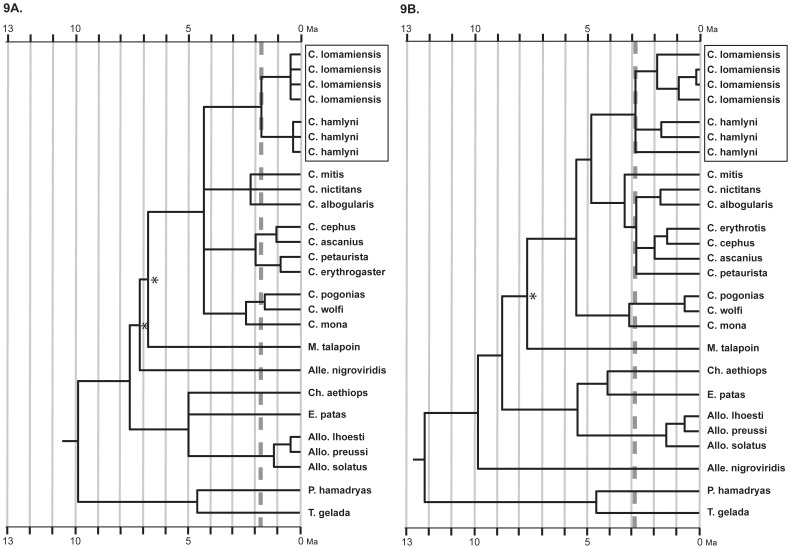
In June 2007, a previously undescribed monkey known locally as "lesula" was found in the forests of the middle Lomami Basin in central Democratic Republic of Congo (DRC). We describe this new species as Cercopithecus lomamiensis sp. nov., and provide data on its distribution, morphology, genetics, ecology and behavior. C. lomamiensis is restricted to the lowland rain forests of central DRC between the middle Lomami and the upper Tshuapa Rivers. Morphological and molecular data confirm that C. lomamiensis is distinct from its nearest congener, C. hamlyni, from which it is separated geographically by both the Congo (Lualaba) and the Lomami Rivers. C. lomamiensis, like C. hamlyni, is semi-terrestrial with a diet containing terrestrial herbaceous vegetation. The discovery of C. lomamiensis highlights the biogeographic significance and importance for conservation of central Congo's interfluvial TL2 region, defined from the upper Tshuapa River through the Lomami Basin to the Congo (Lualaba) River. The TL2 region has been found to contain a high diversity of anthropoid primates including three forms, in addition to C. lomamiensis, that are endemic to the area. We recommend the common name, lesula, for this new species, as it is the vernacular name used over most of its known range.
2007 年 6 月,在刚果民主共和国(DRC)中部隆米盆地的森林中发现了一种以前未被描述的猴子,当地人称之为“lesula”。我们将这个新物种描述为 Cercopithecus lomamiensis sp. nov.,并提供了其分布、形态、遗传、生态和行为的数据。C. lomamiensis 仅限于 DRC 中部低地雨林,位于隆米河和上 Tshuapa 河之间。形态和分子数据证实,C. lomamiensis 与最接近的同属种 C. hamlyni 不同,两者在地理上被刚果(Lualaba)河和隆米河隔开。C. lomamiensis 与 C. hamlyni 一样,是半陆生的,其饮食包括陆生草本植被。C. lomamiensis 的发现突出了中央刚果 TL2 地区的生物地理意义和保护重要性,该地区从上 Tshuapa 河穿过隆米盆地到刚果(Lualaba)河。TL2 地区被发现包含了高度多样化的类人猿,除了 C. lomamiensis 之外,还有三种形式是该地区特有的。我们建议为这个新物种采用通用名“lesula”,因为它是在其大部分已知范围内使用的当地名称。