College of Tea & Food Science and Technology, Anhui Agricultural University, Hefei 230036, China.
BMC Plant Biol. 2012 Sep 18;12:169. doi: 10.1186/1471-2229-12-169.
The Arabidopsis microRNA156 (miR156) regulates 11 members of the SQUAMOSA PROMOTER BINDING PROTEIN LIKE (SPL) family by base pairing to complementary target mRNAs. Each SPL gene further regulates a set of other genes; thus, miR156 controls numerous genes through a complex gene regulation network. Increased axillary branching occurs in transgenic Arabidopsis overexpressing miR156b, similar to that observed in loss-of-function max3 and max4 mutants with lesions in carotenoid cleavage dioxygenases. Arabidopsis miR156b was found to enhance carotenoid levels and reproductive shoot branching when expressed in Brassica napus, suggesting a link between miR156b expression and carotenoid metabolism. However, details of the miR156 regulatory network of SPL genes related to carotenoid metabolism are not known.
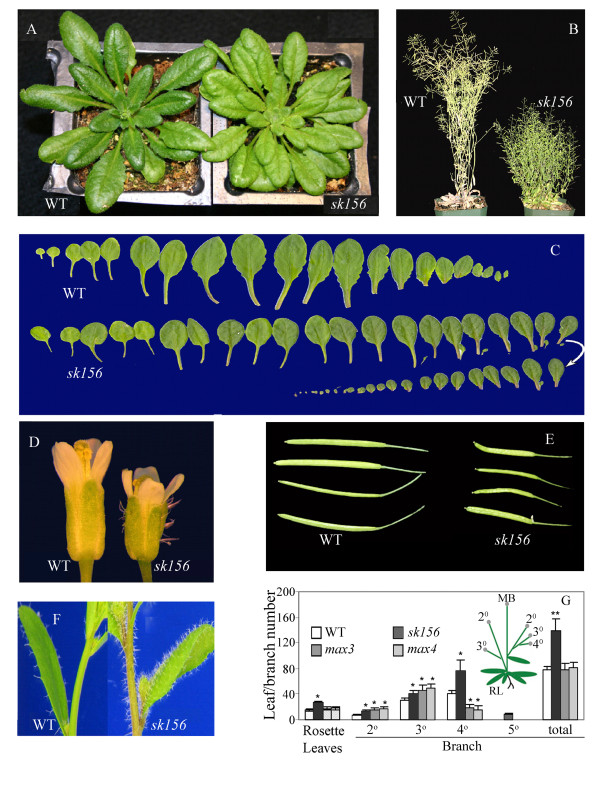
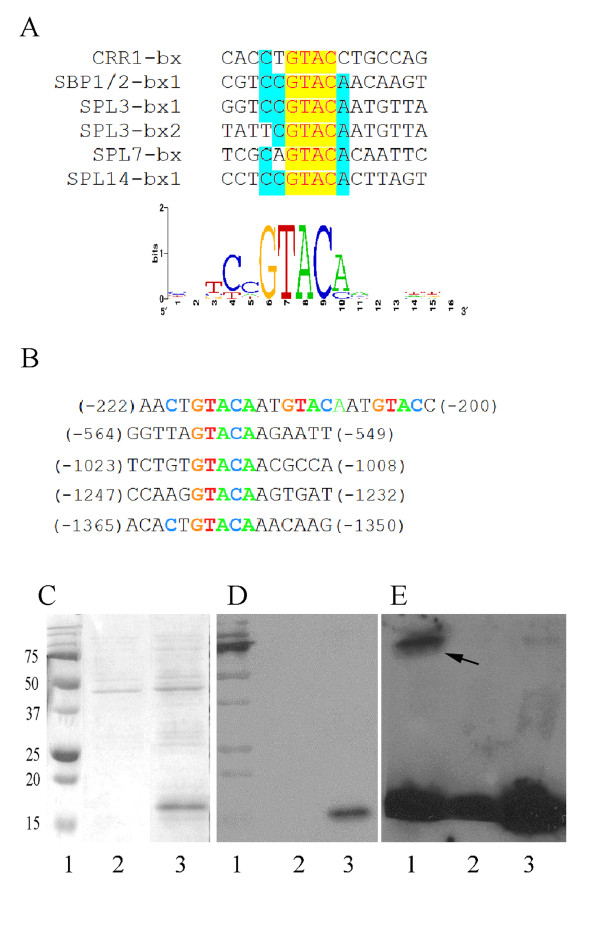
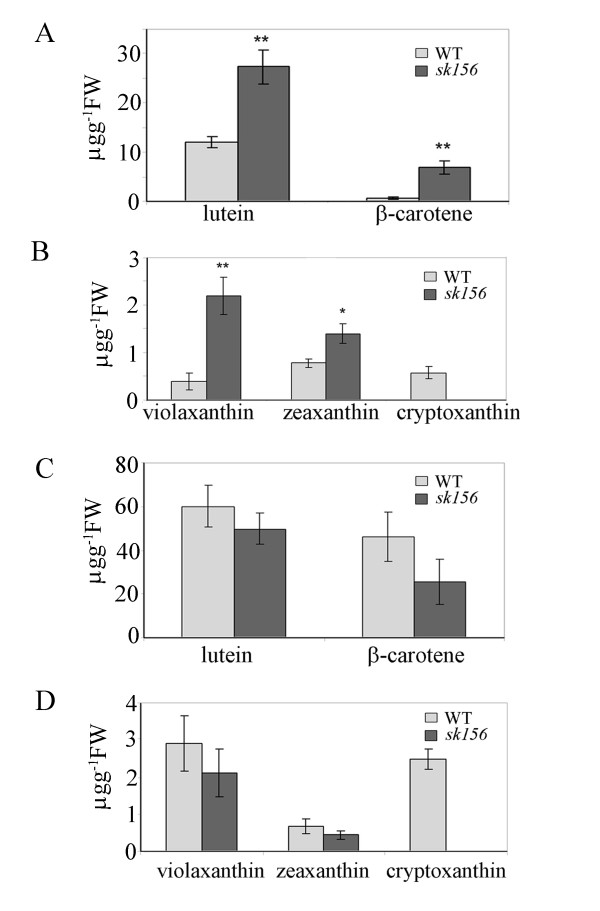
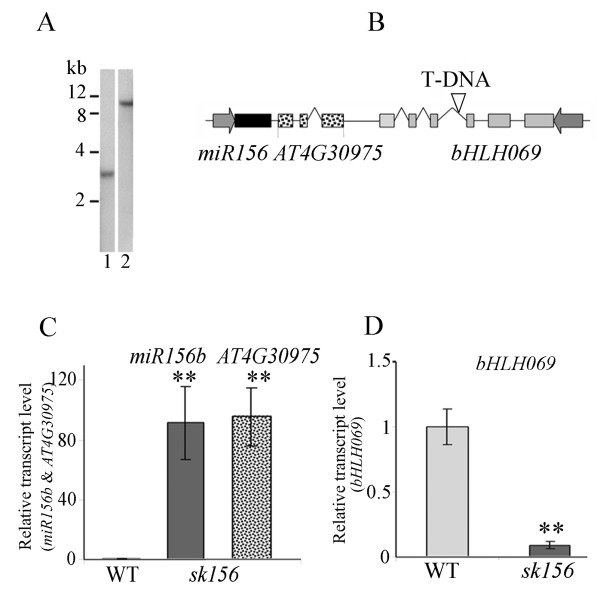
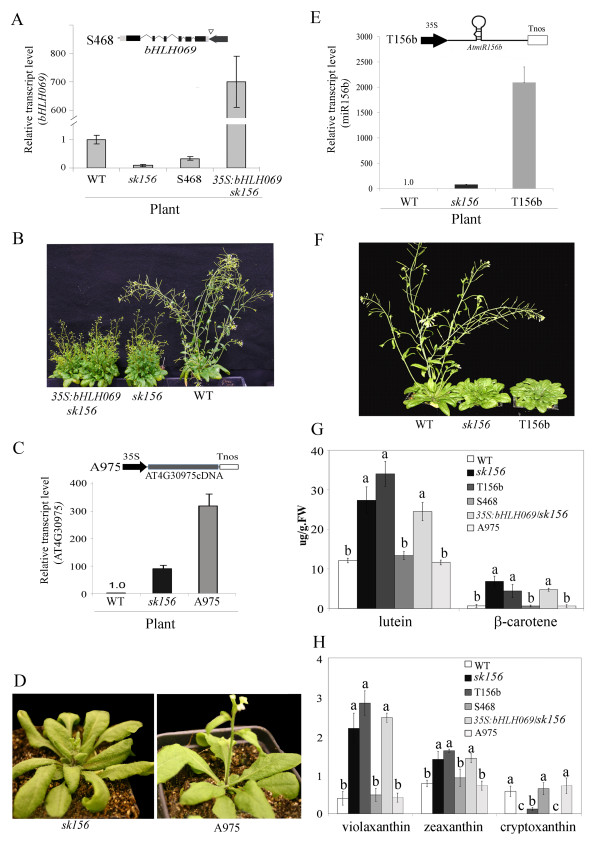
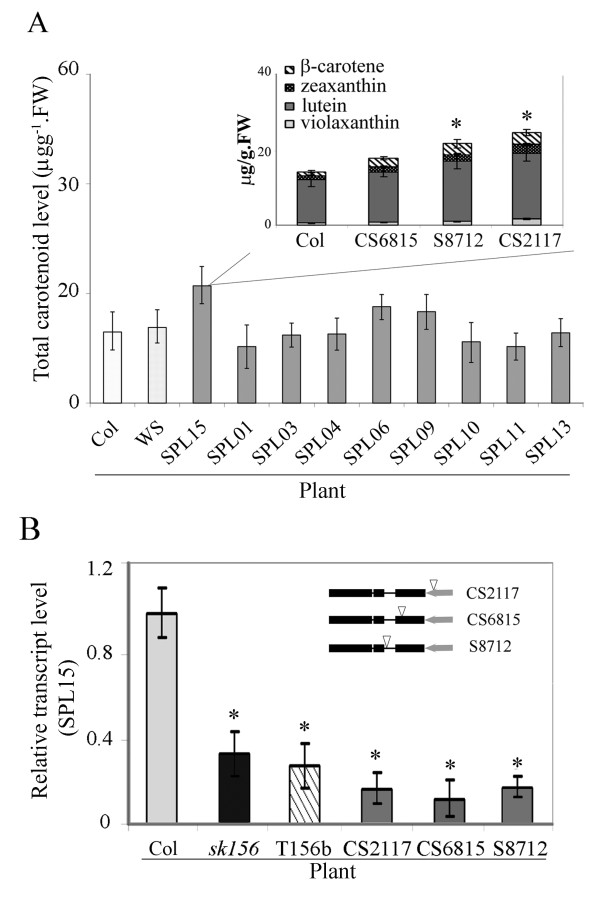
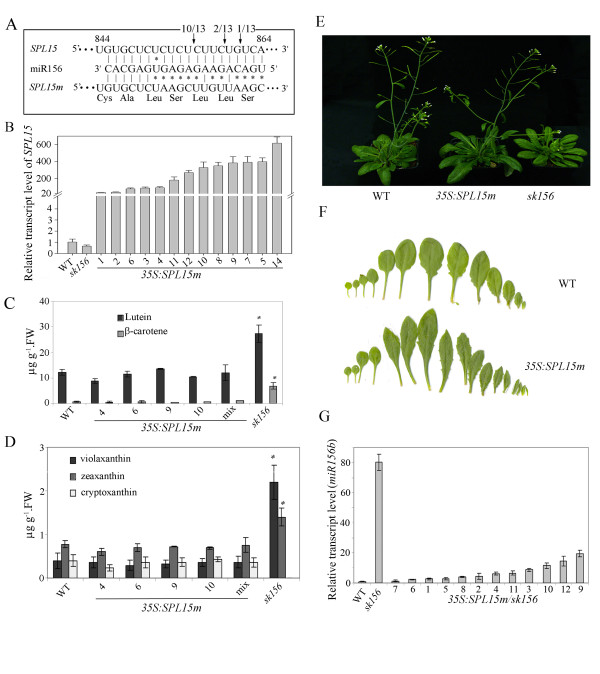
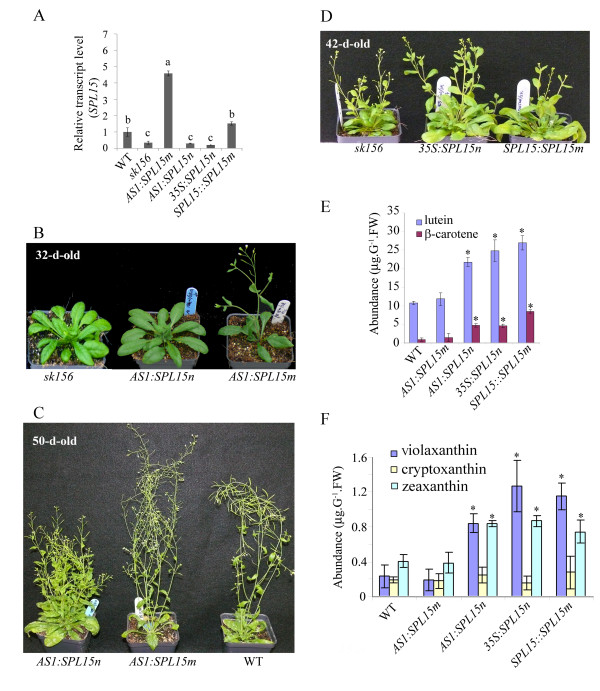
In this study, an Arabidopsis T-DNA enhancer mutant, sk156, was identified due to its altered branching and trichome morphology and increased seed carotenoid levels compared to wild type (WT) ecovar Columbia. Enhanced miR156b expression due to the 35S enhancers present on the T-DNA insert was responsible for these phenotypes. Constitutive and leaf primodium-specific expression of a miR156-insensitive (mutated) SPL15 (SPL15m) largely restored WT seed carotenoid levels and plant morphology when expressed in sk156. The Arabidopsis native miR156-sensitive SPL15 (SPL15n) and SPL15m driven by a native SPL15 promoter did not restore the WT phenotype in sk156. Our findings suggest that SPL15 function is somewhat redundant with other SPL family members, which collectively affect plant phenotypes. Moreover, substantially decreased miR156b transcript levels in sk156 expressing SPL15m, together with the presence of multiple repeats of SPL-binding GTAC core sequence close to the miR156b transcription start site, suggested feedback regulation of miR156b expression by SPL15. This was supported by the demonstration of specific in vitro interaction between DNA-binding SBP domain of SPL15 and the proximal promoter sequence of miR156b.
Enhanced miR156b expression in sk156 leads to the mutant phenotype including carotenoid levels in the seed through suppression of SPL15 and other SPL target genes. Moreover, SPL15 has a regulatory role not only for downstream components, but also for its own upstream regulator miR156b.
拟南芥 microRNA156(miR156)通过与互补靶 mRNA 的碱基配对来调节 SQUAMOSA PROMOTER BINDING PROTEIN LIKE(SPL)家族的 11 个成员。每个 SPL 基因进一步调节一组其他基因;因此,miR156 通过复杂的基因调控网络控制许多基因。在过表达 miR156b 的转基因拟南芥中,侧枝分枝增加,类似于在类胡萝卜素裂解双加氧酶功能丧失的 max3 和 max4 突变体中观察到的情况。在 Brassica napus 中表达的拟南芥 miR156b 被发现可提高类胡萝卜素水平和生殖枝的分枝,表明 miR156b 表达与类胡萝卜素代谢之间存在联系。然而,与类胡萝卜素代谢相关的 SPL 基因的 miR156 调控网络的细节尚不清楚。
本研究中,由于其分枝和毛状体形态改变以及种子类胡萝卜素水平升高,鉴定出拟南芥 T-DNA 增强子突变体 sk156。由于 T-DNA 插入物上存在 35S 增强子,导致增强的 miR156b 表达是造成这些表型的原因。当在 sk156 中表达时,miR156 不敏感(突变)SPL15(SPL15m)的组成型和叶原基特异性表达在很大程度上恢复了 WT 种子类胡萝卜素水平和植物形态。拟南芥天然 miR156 敏感的 SPL15(SPL15n)和由天然 SPL15 启动子驱动的 SPL15m 并未在 sk156 中恢复 WT 表型。我们的研究结果表明,SPL15 功能与其他 SPL 家族成员有些冗余,它们共同影响植物表型。此外,在表达 SPL15m 的 sk156 中,miR156b 的转录本水平显著降低,并且靠近 miR156b 转录起始位点的 SPL 结合 GTAC 核心序列的多个重复,表明 SPL15 对 miR156b 表达的反馈调节。这得到了以下证据的支持:体外特异性相互作用实验表明 SPL15 的 DNA 结合 SBP 结构域与 miR156b 的近端启动子序列相互作用。
sk156 中增强的 miR156b 表达通过抑制 SPL15 和其他 SPL 靶基因导致包括种子中类胡萝卜素水平在内的突变表型。此外,SPL15 不仅对下游成分具有调节作用,而且对其自身的上游调控因子 miR156b 也具有调节作用。