Catherine Mack Correa M, Nebus Judith
JOHNSON & JOHNSON Consumer Companies, Inc., 199 Grandview Road, Skillman, NJ 08558, USA.
Dermatol Res Pract. 2012;2012:836931. doi: 10.1155/2012/836931. Epub 2012 Sep 13.
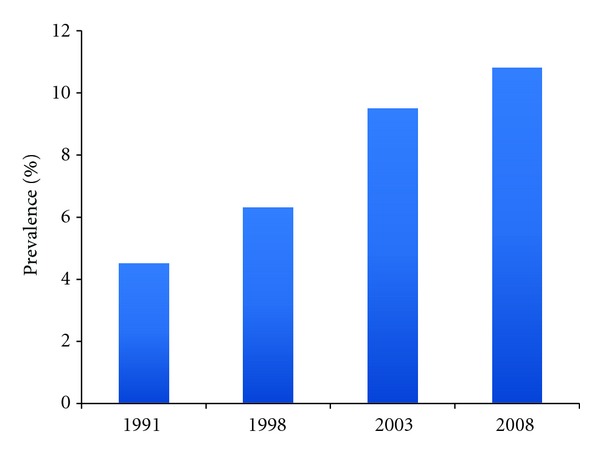
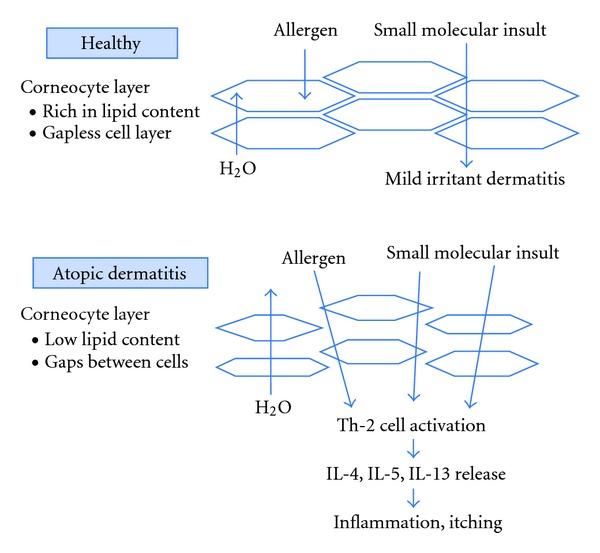
Atopic dermatitis is a common inflammatory skin disorder that afflicts a growing number of young children. Genetic, immune, and environmental factors interact in a complex fashion to contribute to disease expression. The compromised stratum corneum found in atopic dermatitis leads to skin barrier dysfunction, which results in aggravation of symptoms by aeroallergens, microbes, and other insults. Infants-whose immune system and epidermal barrier are still developing-display a higher frequency of atopic dermatitis. Management of patients with atopic dermatitis includes maintaining optimal skin care, avoiding allergic triggers, and routinely using emollients to maintain a hydrated stratum corneum and to improve barrier function. Flares of atopic dermatitis are often managed with courses of topical corticosteroids or calcineurin inhibitors. This paper discusses the role of emollients in the management of atopic dermatitis, with particular emphasis on infants and young children.
特应性皮炎是一种常见的炎症性皮肤病,困扰着越来越多的幼儿。遗传、免疫和环境因素以复杂的方式相互作用,导致疾病表现。特应性皮炎中角质层受损会导致皮肤屏障功能障碍,从而使气传变应原、微生物和其他刺激物加重症状。免疫系统和表皮屏障仍在发育的婴儿患特应性皮炎的频率更高。特应性皮炎患者的管理包括保持最佳皮肤护理、避免过敏诱因,以及常规使用润肤剂来维持角质层水合状态并改善屏障功能。特应性皮炎的发作通常用外用皮质类固醇或钙调神经磷酸酶抑制剂疗程进行治疗。本文讨论了润肤剂在特应性皮炎管理中的作用,特别强调了婴儿和幼儿。