Department of Pharmacology and Toxicology, Faculty of Medicine, University of Toronto, Toronto, Ontario, Canada.
Chem Res Toxicol. 2012 Nov 19;25(11):2567-76. doi: 10.1021/tx300341r. Epub 2012 Oct 16.
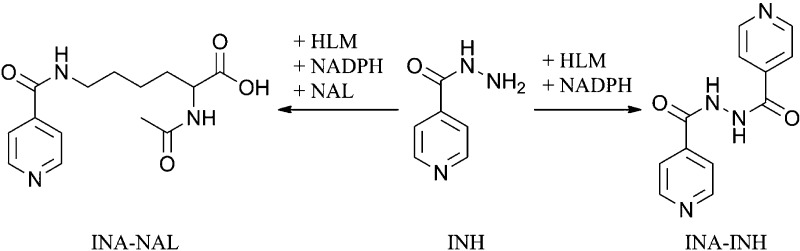
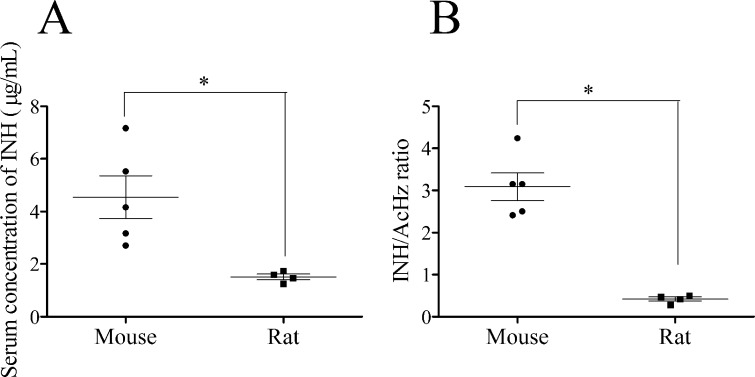
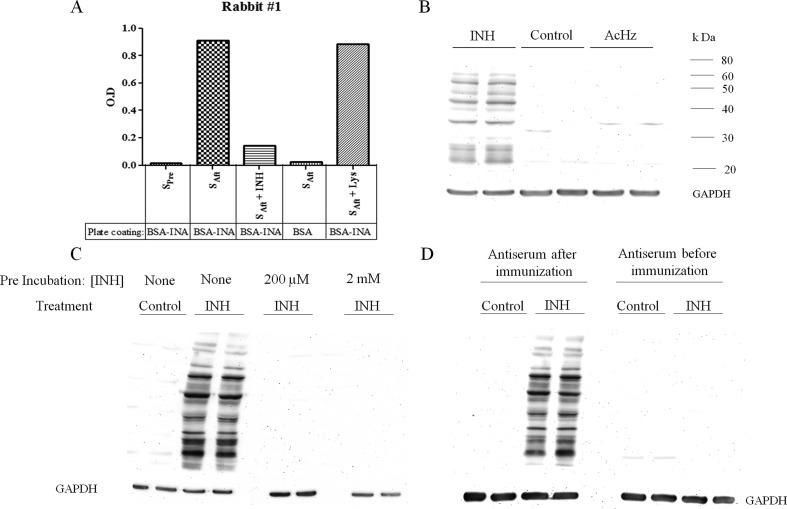
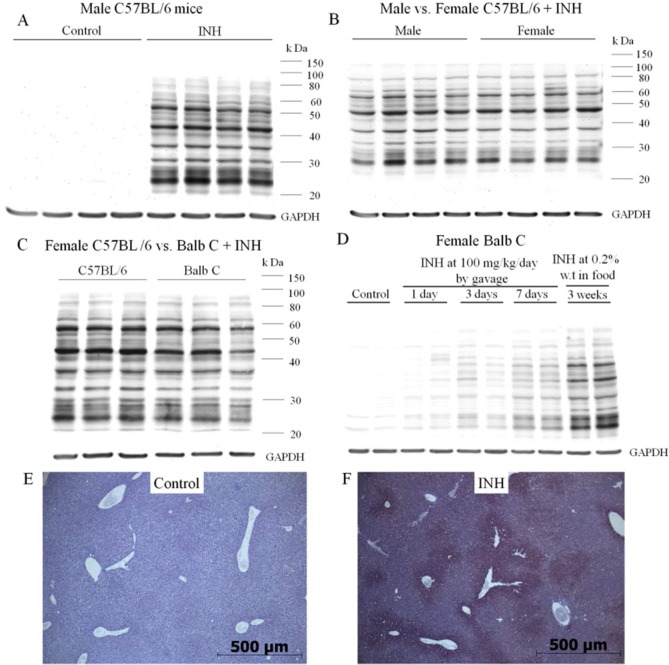
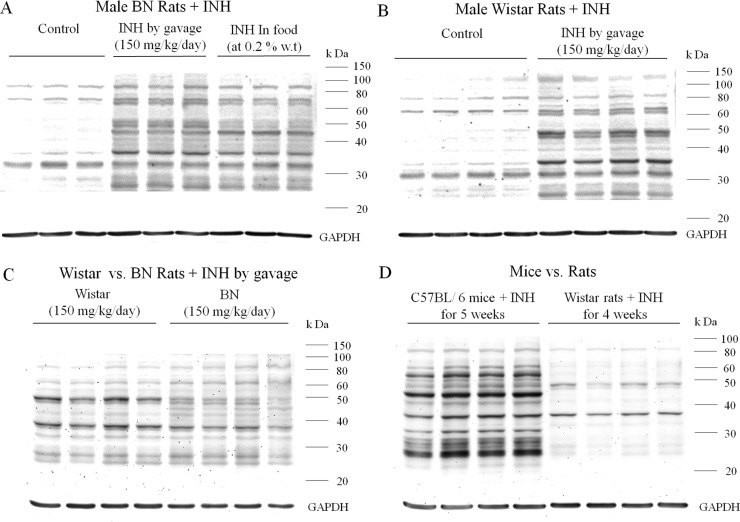
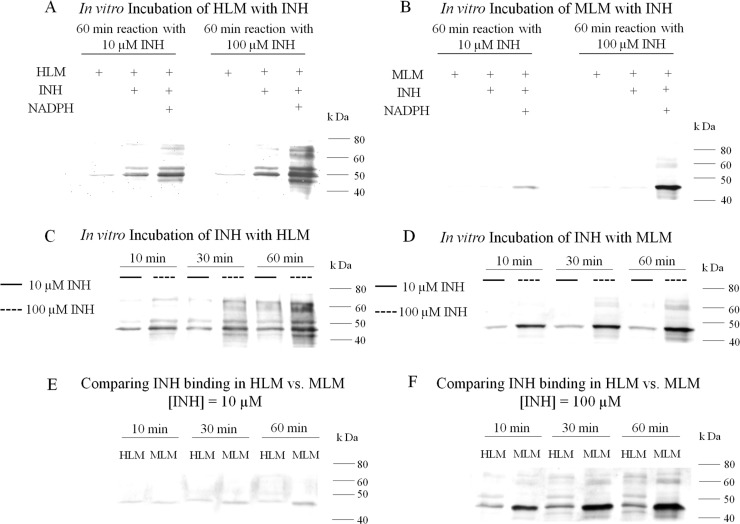
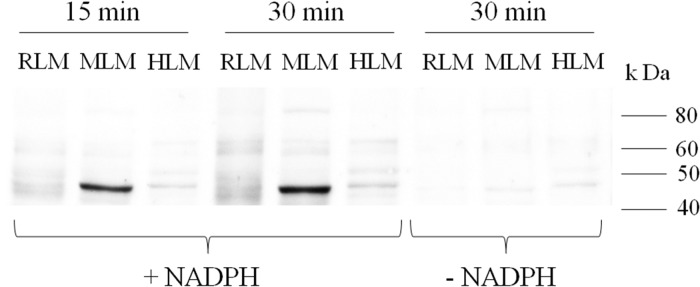
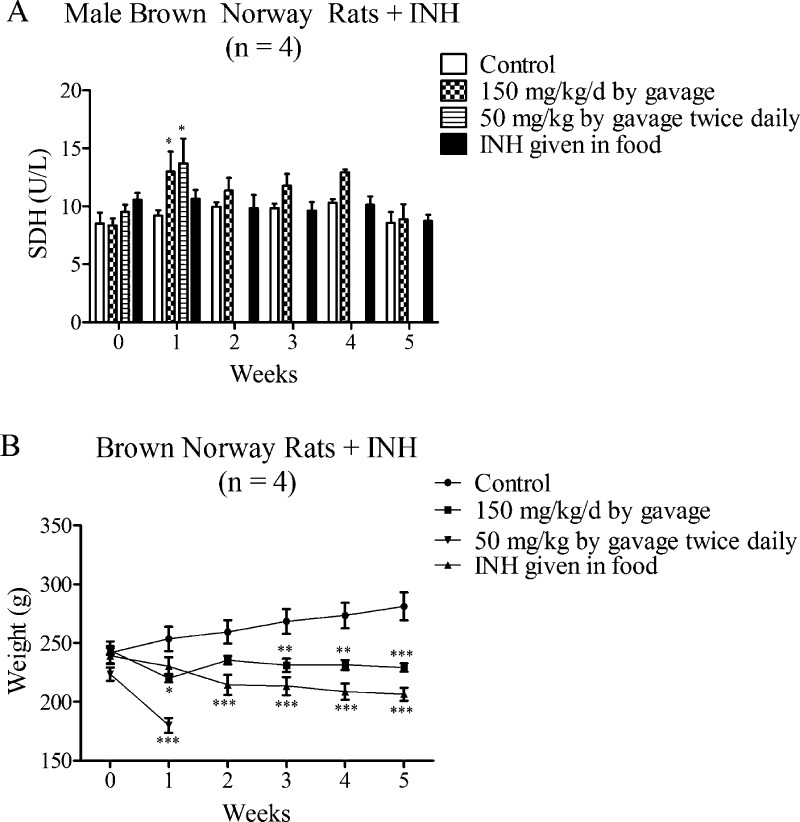
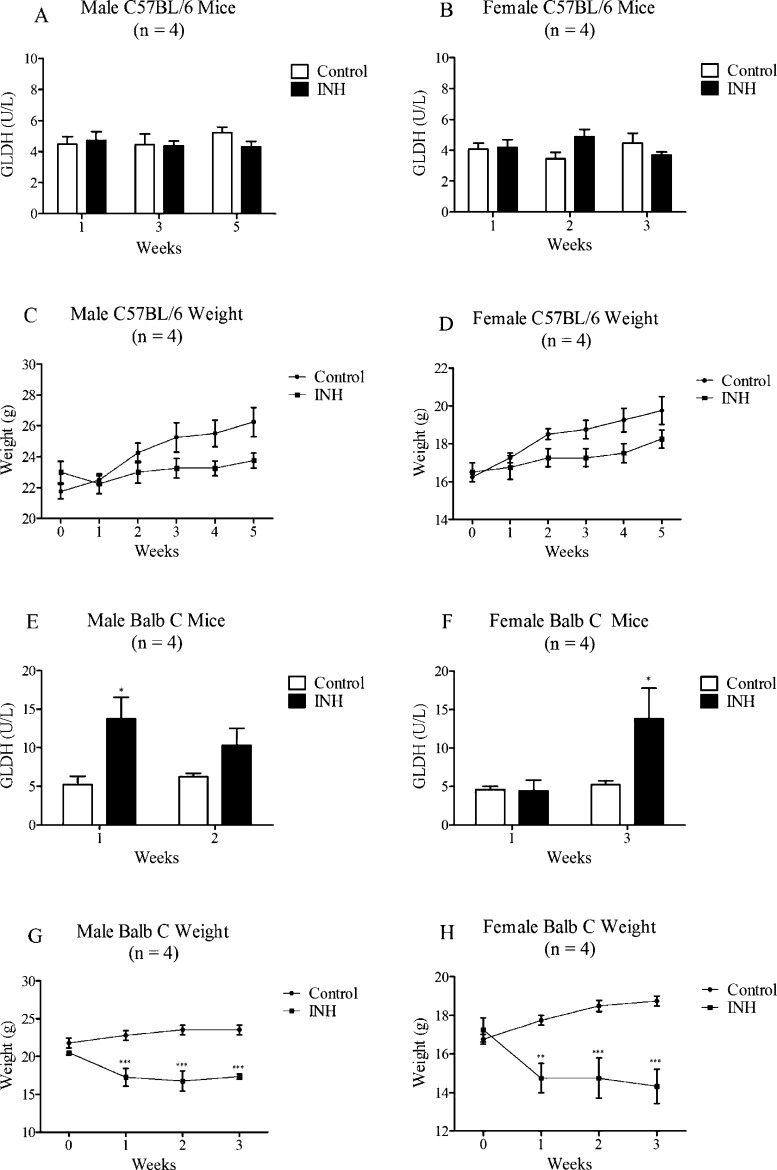
Isoniazid (INH) is associated with serious liver injury and autoimmunity. Classic studies in rats indicated that a reactive metabolite of acetylhydrazine is responsible for the covalent binding and toxicity of INH. Studies in rabbits suggested that hydrazine might be the toxic species. However, these models involved acute toxicity with high doses of INH, and INH-induced liver injury in humans has very different features than such animal models. In this study, we demonstrated that a reactive metabolite of INH itself can covalently bind in the liver of mice and also to human liver microsomes. Covalent binding also occurred in rats, but it was much less than that in mice. We were able to trap the reactive metabolite of INH with N-α-acetyl-l-lysine in incubations with human liver microsomes. This suggests that the reactive intermediate of INH that leads to covalent binding is a diazohydroxide rather than a radical or carbocation because those reactive metabolites would be too reactive to trap in this way. Treatment of mice or rats with INH for up to 5 weeks did not produce severe liver injury. The alanine transaminase assay (ALT) is inhibited by INH, and other assays such as glutamate and sorbitol dehydrogenase (SDH) were better biomarkers of INH-induced liver injury. High doses of INH (200 and 400 mg/kg/day) for one week produced steatosis in rats and an increase in SDH, which suggests that it can cause mitochondrial injury. However, steatosis was not observed when INH was given at lower doses for longer periods of time to either mice or rats. We propose that covalent binding of the parent drug can contribute to INH-induced hepatotoxicity and autoimmunity. We also propose that these are immune-mediated reactions, and there are clinical data to support these hypotheses.
异烟肼(INH)可引起严重的肝损伤和自身免疫。经典的大鼠研究表明,乙酰肼的一种反应性代谢物负责 INH 的共价结合和毒性。兔的研究表明,肼可能是有毒物质。然而,这些模型涉及 INH 的高剂量急性毒性,而人类的 INH 诱导的肝损伤与这些动物模型有很大的不同。在这项研究中,我们证明 INH 本身的一种反应性代谢物可以在小鼠的肝脏中发生共价结合,也可以与人类肝微粒体结合。在大鼠中也发生了共价结合,但比在小鼠中少得多。我们能够在与人肝微粒体孵育时用 N-α-乙酰-l-赖氨酸捕获 INH 的反应性代谢物。这表明导致共价结合的 INH 的反应性中间产物是一种重氮氢氧化物,而不是自由基或碳正离子,因为这些反应性代谢物太活跃而无法以这种方式捕获。用 INH 治疗小鼠或大鼠长达 5 周不会引起严重的肝损伤。丙氨酸氨基转移酶(ALT)测定法被 INH 抑制,而谷氨酸和山梨醇脱氢酶(SDH)等其他测定法则是 INH 诱导的肝损伤更好的生物标志物。用 INH(200 和 400 mg/kg/天)高剂量治疗一周会导致大鼠脂肪变性和 SDH 增加,这表明它可能导致线粒体损伤。然而,当 INH 以较低剂量更长时间给予小鼠或大鼠时,未观察到脂肪变性。我们提出,母体药物的共价结合可能有助于 INH 诱导的肝毒性和自身免疫。我们还提出,这些是免疫介导的反应,并且有临床数据支持这些假设。