State Key Laboratory of Pharmaceutical Biotechnology, School of Life Sciences, Nanjing University, China.
PLoS One. 2012;7(9):e46018. doi: 10.1371/journal.pone.0046018. Epub 2012 Sep 24.
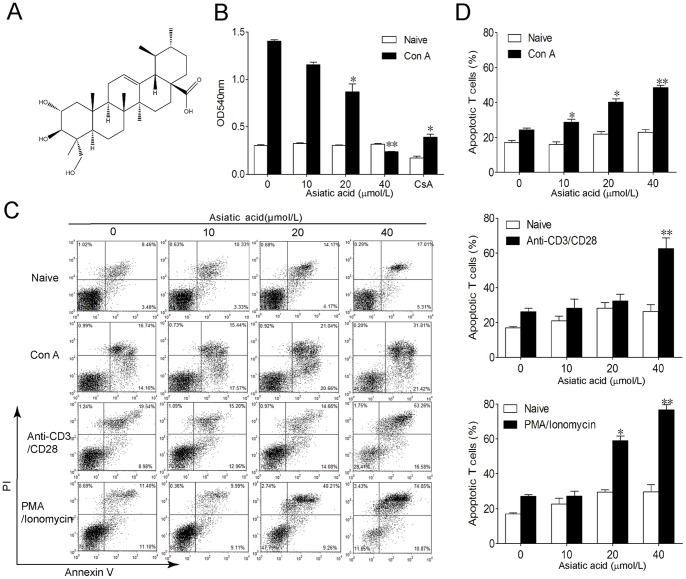
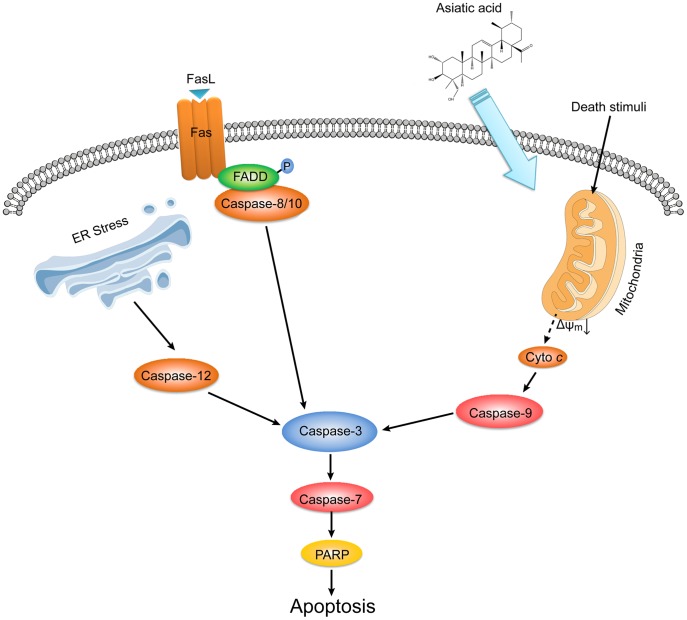
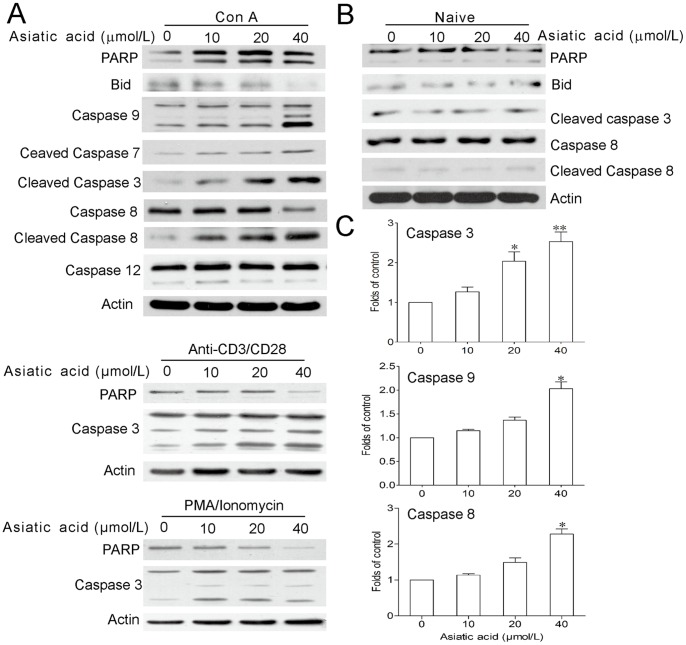
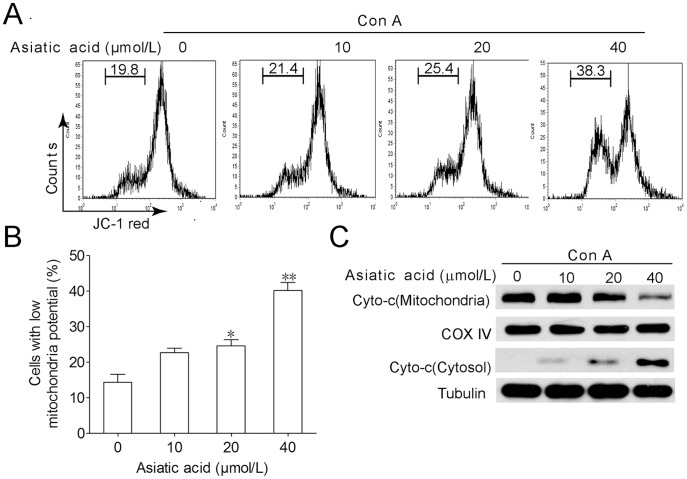
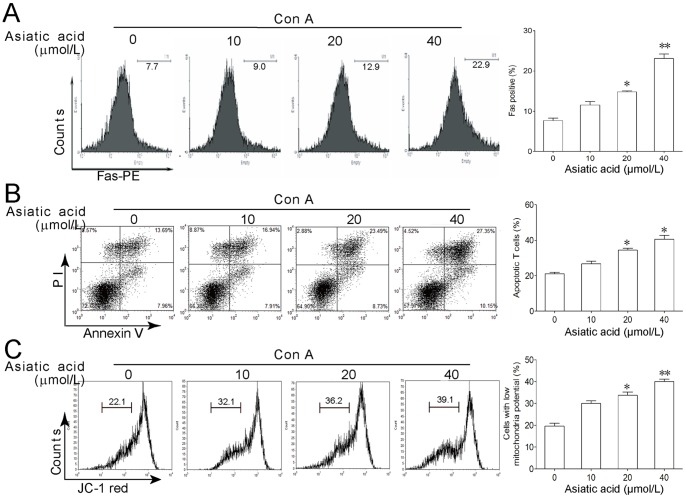
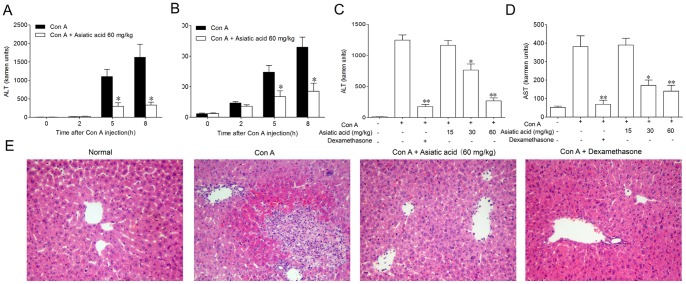
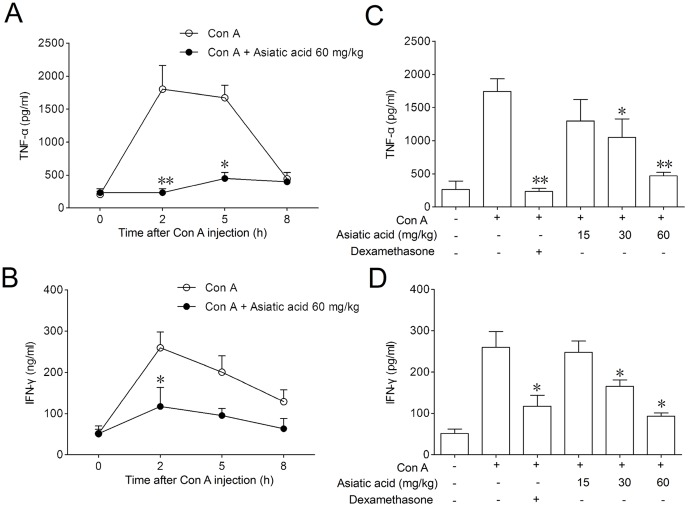
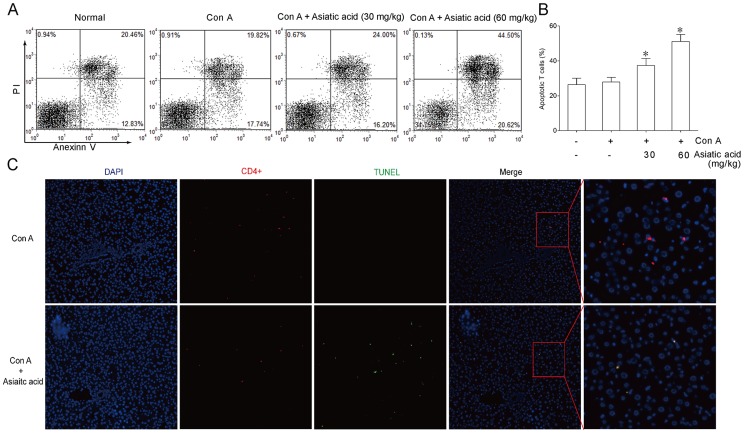
Selectively facilitating apoptosis of activated T cells is essential for the clearance of pathogenic injurious cells and subsequent efficient resolution of inflammation. However, few chemicals have been reported to trigger apoptosis of activated T cells for the treatment of hepatitis without affecting quiescent T cells. In the present study, we found that asiatic acid, a natural triterpenoid, selectively triggered apoptosis of concanavalin A (Con A)-activated T cells in a mitochondria-dependent manner indicated by the disruption of the mitochondrial transmembrane potential, release of cytochrome c from mitochondria to cytosol, caspases activation, and cleavage of PARP. In addition, asiatic acid also induced the cleavage of caspase 8 and Bid and augmented Fas expression in Con A-activated T cells. However, following activation of T cells from MRL(lpr/lpr) mice with mutation of Fas demonstrated a similar susceptibility to asiatic acid-induced apoptosis compared with normal T cells, suggesting that Fas-mediated death-receptor apoptotic pathway does not mainly contribute to asiatic acid-induced cell death. Furthermore, asiatic acid significantly alleviated Con A-induced T cell-dependent fulminant hepatitis in mice, as assessed by reduced serum transaminases, pro-inflammatory cytokines, and pathologic parameters. Consistent with the in vitro results, asiatic acid also induced apoptosis of activated CD4(+) T cells in vivo. Taken together, our results demonstrated that the ability of asiatic acid to induce apoptosis of activated T cells and its potential use in the treatment of T-cell-mediated inflammatory diseases.
选择性促进活化 T 细胞凋亡对于清除致病损伤细胞和随后有效缓解炎症至关重要。然而,据报道,很少有化学物质能够在不影响静息 T 细胞的情况下触发活化 T 细胞凋亡,以用于治疗肝炎。在本研究中,我们发现,一种天然三萜酸——齐墩果酸,以线粒体依赖性方式选择性地触发刀豆蛋白 A(Con A)活化 T 细胞凋亡,其特征为线粒体跨膜电位破坏、细胞色素 c 从线粒体释放到细胞质、半胱天冬酶激活以及 PARP 切割。此外,齐墩果酸还诱导 Con A 活化 T 细胞中 caspase 8 和 Bid 的切割,并增加 Fas 的表达。然而,从 Fas 突变的 MRL(lpr/lpr) 小鼠中激活的 T 细胞对齐墩果酸诱导的凋亡表现出与正常 T 细胞相似的易感性,表明 Fas 介导的死亡受体凋亡途径并非主要导致齐墩果酸诱导的细胞死亡。此外,齐墩果酸可显著减轻 Con A 诱导的小鼠 T 细胞依赖性暴发性肝炎,表现为血清转氨酶、促炎细胞因子和病理参数降低。与体外结果一致,齐墩果酸还诱导体内活化的 CD4(+) T 细胞凋亡。总之,我们的结果表明,齐墩果酸诱导活化 T 细胞凋亡的能力及其在治疗 T 细胞介导的炎症性疾病中的潜在用途。