School of Medicine Sydney, University of Notre Dame Australia, Darlinghurst, New South Wales, Australia.
PLoS Negl Trop Dis. 2012;6(9):e1841. doi: 10.1371/journal.pntd.0001841. Epub 2012 Sep 27.
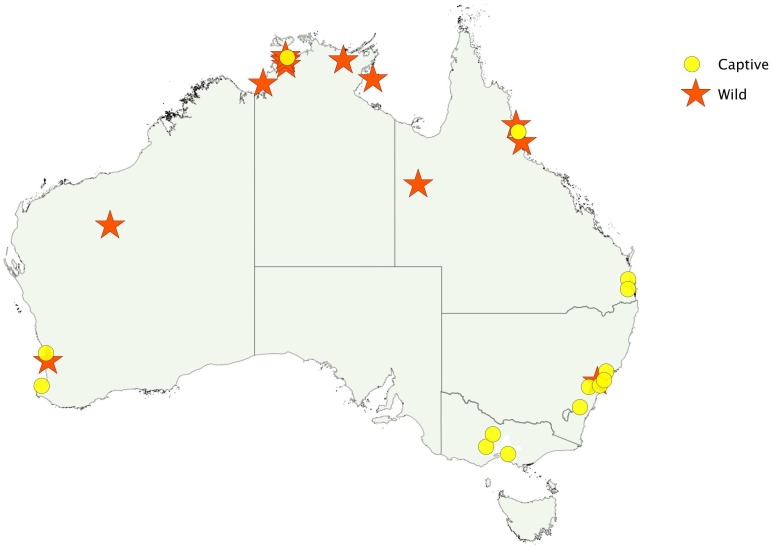
Death adders (Acanthophis spp) are found in Australia, Papua New Guinea and parts of eastern Indonesia. This study aimed to investigate the clinical syndrome of death adder envenoming and response to antivenom treatment.
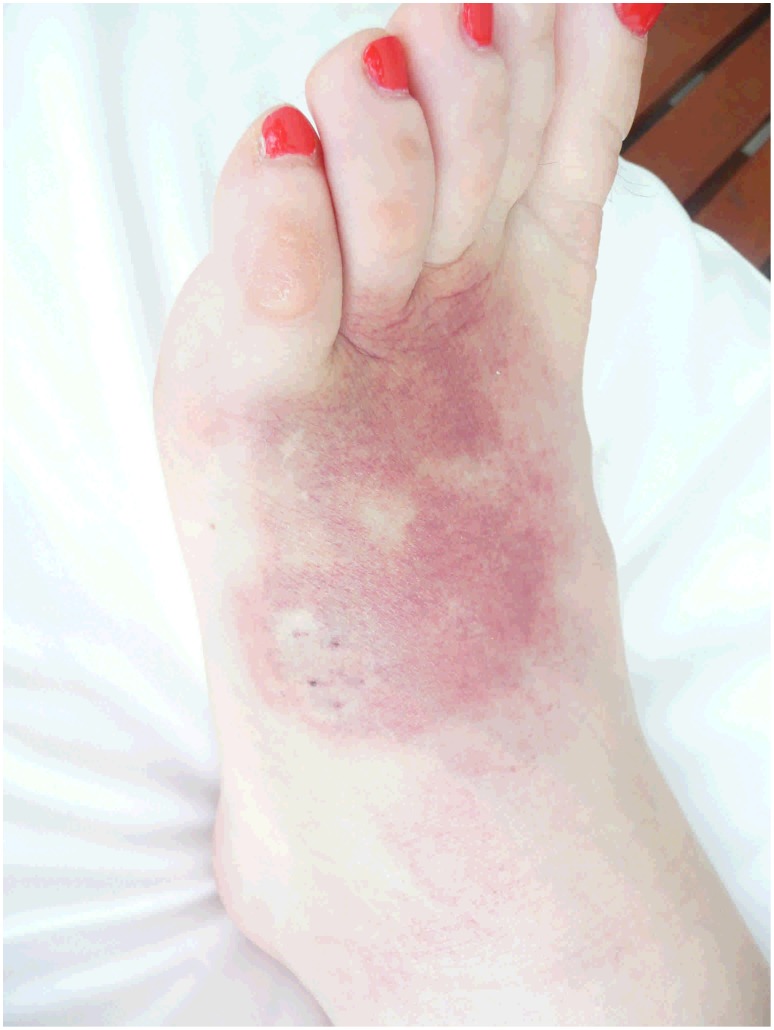
METHODOLOGY/PRINCIPAL FINDINGS: Definite death adder bites were recruited from the Australian Snakebite Project (ASP) as defined by expert identification or detection of death adder venom in blood. Clinical effects and laboratory results were collected prospectively, including the time course of neurotoxicity and response to treatment. Enzyme immunoassay was used to measure venom concentrations. Twenty nine patients had definite death adder bites; median age 45 yr (5-74 yr); 25 were male. Envenoming occurred in 14 patients. Two further patients had allergic reactions without envenoming, both snake handlers with previous death adder bites. Of 14 envenomed patients, 12 developed neurotoxicity characterised by ptosis (12), diplopia (9), bulbar weakness (7), intercostal muscle weakness (2) and limb weakness (2). Intubation and mechanical ventilation were required for two patients for 17 and 83 hours. The median time to onset of neurotoxicity was 4 hours (0.5-15.5 hr). One patient bitten by a northern death adder developed myotoxicity and one patient only developed systemic symptoms without neurotoxicity. No patient developed venom induced consumption coagulopathy. Antivenom was administered to 13 patients, all receiving one vial initially. The median time for resolution of neurotoxicity post-antivenom was 21 hours (5-168). The median peak venom concentration in 13 envenomed patients with blood samples was 22 ng/mL (4.4-245 ng/mL). In eight patients where post-antivenom bloods were available, no venom was detected after one vial of antivenom.
CONCLUSIONS/SIGNIFICANCE: Death adder envenoming is characterised by neurotoxicity, which is mild in most cases. One vial of death adder antivenom was sufficient to bind all circulating venom. The persistent neurological effects despite antivenom, suggests that neurotoxicity is not reversed by antivenom.
死亡蝰蛇(Acanthophis spp)分布于澳大利亚、巴布亚新几内亚和印度尼西亚东部部分地区。本研究旨在调查死亡蝰蛇咬伤的临床综合征和抗蛇毒血清治疗反应。
方法/主要发现:澳大利亚蛇伤项目(ASP)中明确诊断的死亡蝰蛇咬伤病例,是由专家鉴定或血液中检测到死亡蝰蛇毒液而确定的。前瞻性收集临床影响和实验室结果,包括神经毒性的时间进程和治疗反应。酶联免疫吸附试验用于测量毒液浓度。29 名患者有明确的死亡蝰蛇咬伤史;中位年龄 45 岁(5-74 岁);25 名男性。14 名患者发生中毒,2 名有过敏反应但无中毒,均为有过死亡蝰蛇咬伤史的蛇类处理者。14 名中毒患者中有 12 名出现神经毒性,表现为上睑下垂(12 例)、复视(9 例)、球麻痹(7 例)、肋间肌无力(2 例)和四肢无力(2 例)。2 名患者需要插管和机械通气,分别持续 17 小时和 83 小时。神经毒性的中位发病时间为 4 小时(0.5-15.5 小时)。1 名被北部死亡蝰蛇咬伤的患者出现肌毒性,1 名患者仅出现无神经毒性的全身症状。无患者发生蛇毒诱导的消耗性凝血障碍。13 名患者接受抗蛇毒血清治疗,均初始给予 1 瓶。抗蛇毒血清治疗后神经毒性缓解的中位时间为 21 小时(5-168 小时)。13 名中毒患者中 12 名有血样本,中位毒液峰值浓度为 22ng/ml(4.4-245ng/ml)。在 8 名有抗蛇毒血清血样的患者中,1 瓶抗蛇毒血清后未检测到毒液。
死亡蝰蛇咬伤的特征是神经毒性,大多数情况下为轻度。1 瓶死亡蝰蛇抗蛇毒血清足以结合所有循环毒液。尽管使用了抗蛇毒血清,但神经毒性持续存在,表明神经毒性不能被抗蛇毒血清逆转。