Department of Zoology, Banaras Hindu University, Varanasi, Uttar Pradesh, India.
PLoS One. 2012;7(10):e46131. doi: 10.1371/journal.pone.0046131. Epub 2012 Oct 1.
The amount and quality of nutrients consumed by organisms have a strong impact on stress resistance, life-history traits and reproduction. The balance between energy acquisition and expenditure is crucial to the survival and reproductive success of animals. The ability of organisms to adjust their development, physiology or behavior in response to environmental conditions, called phenotypic plasticity, is a defining property of life. One of the most familiar and important examples of phenotypic plasticity is the response of stress tolerance and reproduction to changes in developmental nutrition. Larval nutrition may affect a range of different life-history traits as well as responses to environmental stress in adult.
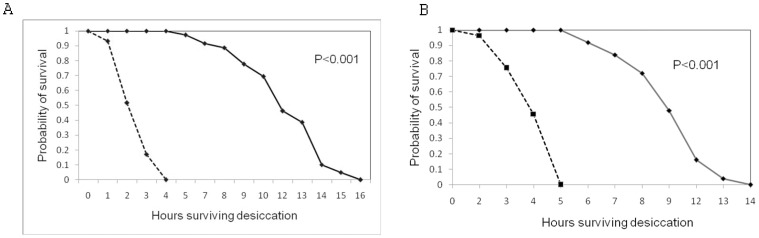
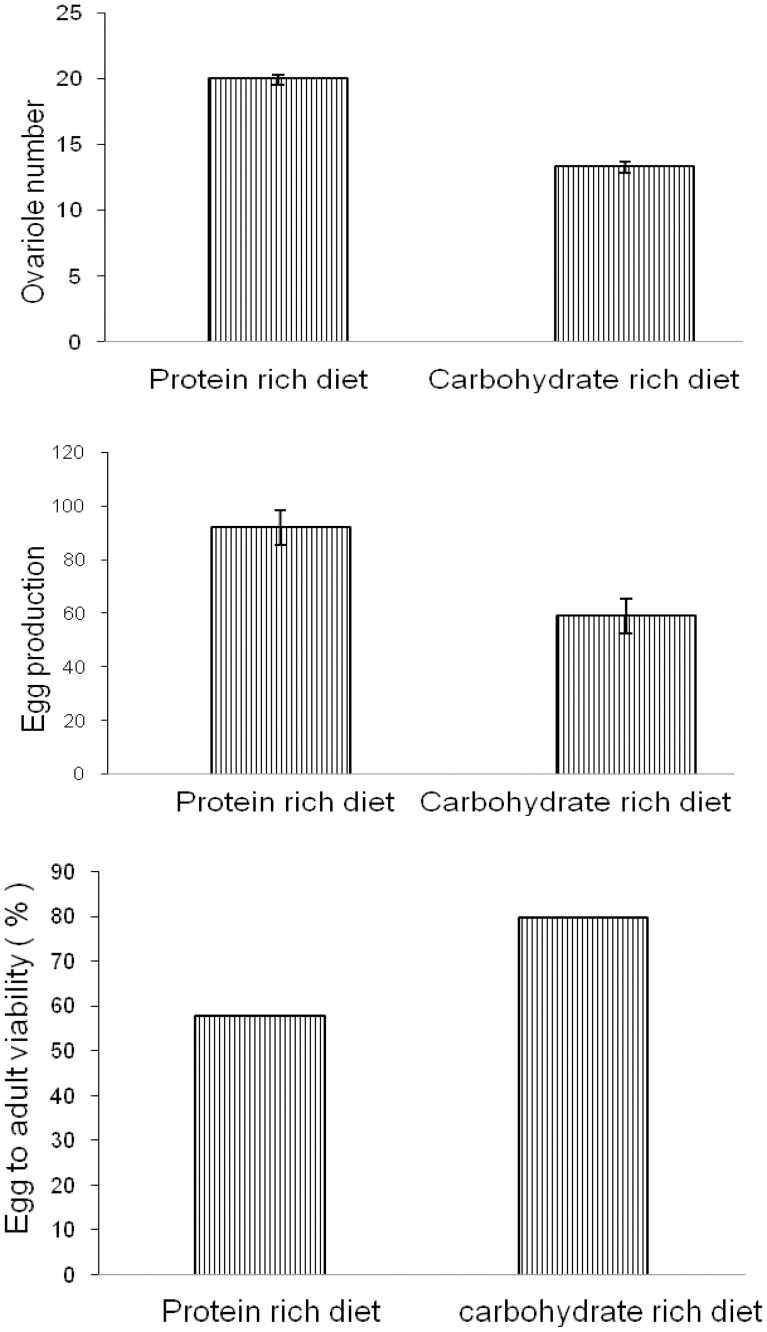
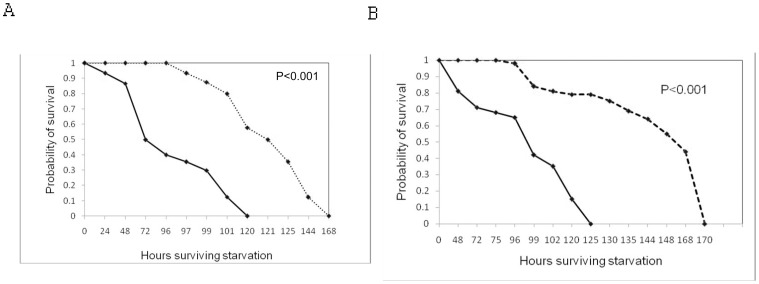
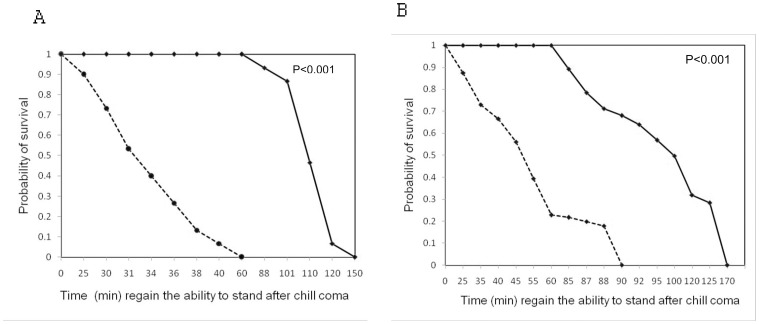
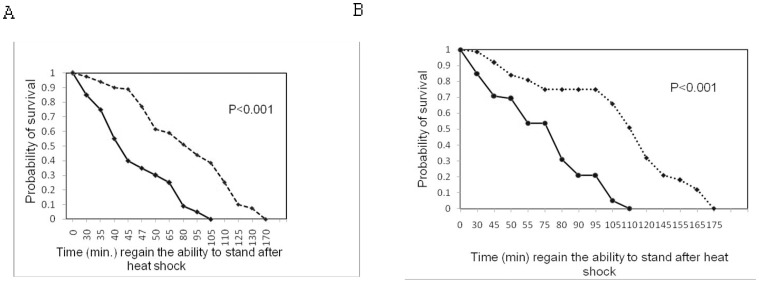
Here we investigate the effect of larval nutrition on desiccation, starvation, chill-coma recovery, heat resistance as well as egg to adult viability, egg production and ovariole number in Drosophila ananassae. We raised larvae on either protein rich diet or carbohydrate rich diet. We found that flies consuming protein rich diet have higher desiccation and heat shock resistance whereas flies developed on carbohydrate rich diet have higher starvation and cold resistance. Egg production was higher in females developed on protein rich diet and we also found trade-off between egg production and Egg to adult viability of the flies. Viability was higher in carbohydrate rich diet. However, sex specific viability was found in different nutritional regimes. Higher Egg production might be due to higher ovariole number in females of protein rich diet.
Thus, Drosophila ananassae adapts different stress tolerance and life-history strategies according to the quality of the available diet, which are correlated with phenotypic adjustment at anatomical and physiological levels.
生物体摄入的营养物质的数量和质量对其抗应激能力、生活史特征和繁殖能力有很大影响。能量获取和支出之间的平衡对动物的生存和繁殖成功至关重要。生物体能够根据环境条件调整其发育、生理或行为,这种表型可塑性是生命的一个决定性特征。表型可塑性最常见和最重要的例子之一是对发育营养变化的应激耐受性和繁殖能力的反应。幼虫营养可能会影响一系列不同的生活史特征,以及成年后的环境应激反应。
在这里,我们研究了幼虫营养对脱水、饥饿、冷休克恢复、耐热性以及卵到成虫存活率、产卵量和卵巢管数量的影响在黑腹果蝇中。我们分别用富含蛋白质的饮食和富含碳水化合物的饮食来饲养幼虫。我们发现,食用富含蛋白质的饮食的果蝇具有更高的脱水和热休克抗性,而食用富含碳水化合物的饮食的果蝇则具有更高的饥饿和耐寒性。在富含蛋白质的饮食中饲养的雌性产卵量更高,我们还发现了产卵量和卵到成虫存活率之间的权衡。在富含碳水化合物的饮食中,存活率更高。然而,在不同的营养制度下,发现了性别特异性的存活率。更高的产卵量可能是由于富含蛋白质的饮食中雌性的卵巢管数量更多。
因此,黑腹果蝇根据可用饮食的质量适应不同的应激耐受性和生活史策略,这与解剖和生理水平的表型调整相关。