Department of Medicine, Johns Hopkins University, Baltimore, MD, USA ; Association of Chronic Pain Patients, Houston, TX, USA.
J Pain Res. 2012;5:327-46. doi: 10.2147/JPR.S33112. Epub 2012 Aug 29.
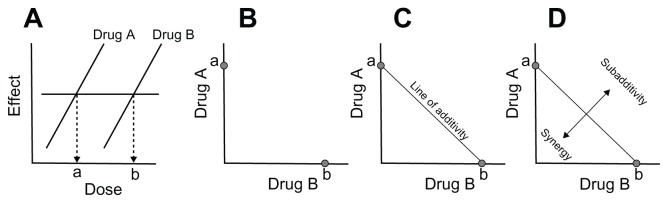
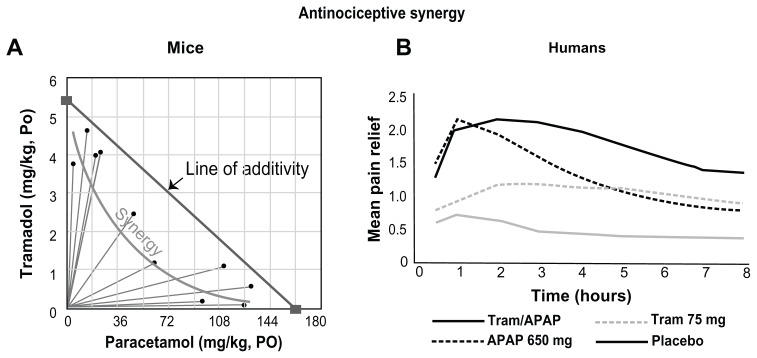
Pain is the most common reason patients seek medical attention and pain relief has been put forward as an ethical obligation of clinicians and a fundamental human right. However, pain management is challenging because the pathophysiology of pain is complex and not completely understood. Widely used analgesics such as nonsteroidal anti-inflammatory drugs (NSAIDs) and paracetamol (acetaminophen) have been associated with adverse events. Adverse event rates are of concern, especially in long-term treatment or at high doses. Paracetamol and NSAIDs are available by prescription, over the counter, and in combination preparations. Patients may be unaware of the risk associated with high dosages or long-term use of paracetamol and NSAIDs. Clinicians should encourage patients to disclose all medications they take in a "do ask, do tell" approach that includes patient education about the risks and benefits of common pain relievers. The ideal pain reliever would have few risks and enhanced analgesic efficacy. Fixed-dose combination analgesics with two or more agents may offer additive or synergistic benefits to treat the multiple mechanisms of pain. Therefore, pain may be effectively treated while toxicity is reduced due to lower doses. One recent fixed-dose combination analgesic product combines tramadol, a centrally acting weak opioid analgesic, with low-dose paracetamol. Evidence-based guidelines recognize the potential value of combination analgesics in specific situations. The current guideline-based paradigm for pain treatment recommends NSAIDs for ongoing use with analgesics such as opioids to manage flares. However, the treatment model should evolve how to use low-dose combination products to manage pain with occasional use of NSAIDs for flares to avoid long-term and high-dose treatment with these analgesics. A next step in pain management guidelines should be targeted therapy when possible, or low-dose combination therapy or both, to achieve maximal efficacy with minimal toxicity.
疼痛是患者寻求医疗关注的最常见原因,缓解疼痛已被提出是临床医生的伦理义务和基本人权。然而,疼痛管理具有挑战性,因为疼痛的病理生理学非常复杂,尚未完全被理解。广泛使用的镇痛药,如非甾体抗炎药(NSAIDs)和对乙酰氨基酚(扑热息痛),已与不良事件相关联。不良事件发生率令人担忧,尤其是在长期治疗或高剂量使用时。扑热息痛和 NSAIDs 可通过处方、非处方和组合制剂获得。患者可能不知道高剂量或长期使用扑热息痛和 NSAIDs 相关的风险。临床医生应鼓励患者在“问必答、答必说”的方法中披露他们所服用的所有药物,包括对常见止痛药的风险和益处进行患者教育。理想的止痛药应该具有很少的风险和增强的镇痛效果。含有两种或更多药物的固定剂量组合镇痛药可能会提供附加或协同的益处,以治疗多种疼痛机制。因此,由于剂量较低,毒性降低,疼痛可能得到有效治疗。最近一种固定剂量组合镇痛药将曲马多(一种中枢作用的弱阿片类镇痛药)与低剂量对乙酰氨基酚结合在一起。循证指南认识到在特定情况下联合镇痛药的潜在价值。基于指南的当前疼痛治疗范式建议 NSAIDs 持续使用,同时与阿片类药物等镇痛药联合使用,以管理疼痛发作。然而,治疗模式应该发展如何使用低剂量组合产品来管理偶发性疼痛,避免 NSAIDs 的长期和高剂量治疗。疼痛管理指南的下一步应该是尽可能采用靶向治疗,或低剂量联合治疗或两者兼用,以实现最小毒性的最大疗效。