Ong C J, Wong M L, Smit J
Department of Microbiology, University of British Columbia, Vancouver, Canada.
J Bacteriol. 1990 Mar;172(3):1448-56. doi: 10.1128/jb.172.3.1448-1456.1990.
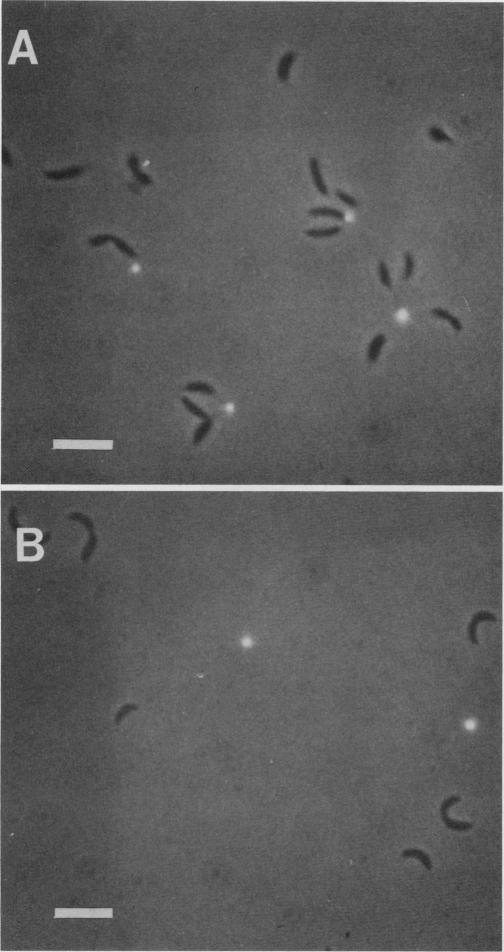
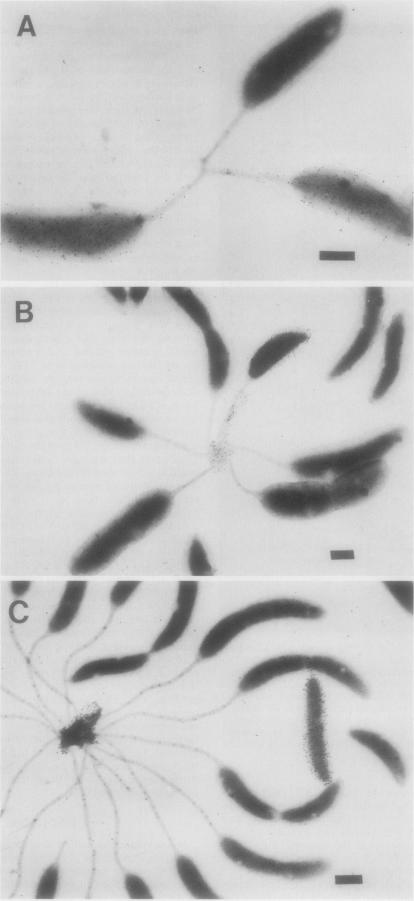
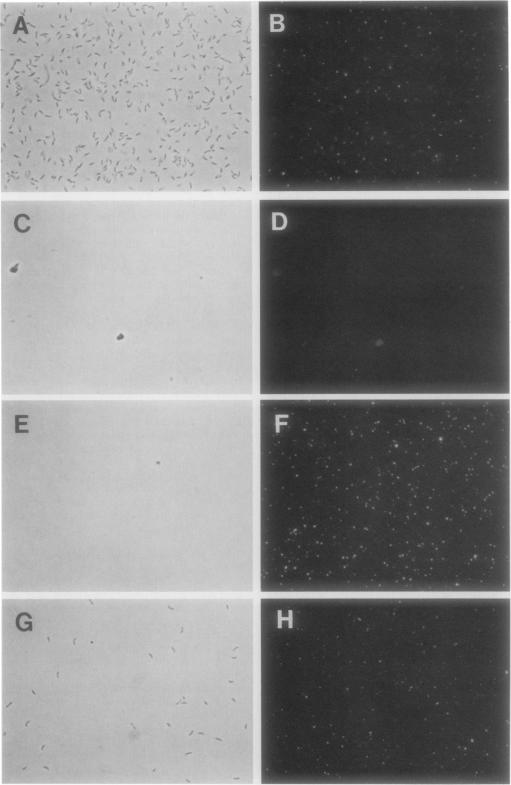
Caulobacters attach to surfaces in the environment via their holdfasts, attachment organelles located at the base of the flagellum in swarmer cells and later at the end of the cellular stalk in the stalked cells which develop from the swarmer cells. There seems to be little specificity with respect to the types of surfaces to which holdfasts adhere. A notable exception is that the holdfast of one cell does not adhere to the cell surface of another caulobacter, except by joining holdfasts, typically forming "rosettes" of stalked cells. Thus, the localized adhesion of the holdfasts to the cells is in some way a specialized attachment. We investigated this holdfast-cell attachment by developing an adhesion screening assay and analyzing several mutants of Caulobacter crescentus CB2A selected to be defective in adhesion. One class of mutants made a normal holdfast by all available criteria, yet the attachment to the cell was very weak, such that the holdfast was readily shed. Another class of mutants made no holdfast at all, but when mixed with a wild-type strain, a mutant of this class participated in rosette formation. The mutant could also attach to the discarded holdfast produced by a shedding mutant. In addition, when rosettes composed of holdfast-defective and wild-type cells were examined, an increase in the number of holdfast-defective cells was correlated with a decrease in the ability of the holdfast material at the center of the rosette to bind colloidal gold particles. Gold particles are one type of surface to which holdfasts adhere well, suggesting that the stalk end and the colloidal gold particles occupy the same sites on the holdfast substance. Taken together, the data support the interpretation that there is a specialized attachment site for the holdfast at the base of the flagellum which later becomes the end of the stalk, but not a specialized region of the holdfast for attachment to this site. Also, attachment to the cell is accomplished by bond formations that occur not only at the time of holdfast production. Thus, we propose that the attachment of the holdfast to the cell is a true adhesion process and that the stalk tip and base of the flagellum must have compositions distinctly different from that of the remainder of the caulobacter cell surface.
柄杆菌通过其固着器附着在环境中的表面上,固着器是一种附着细胞器,位于游动细胞鞭毛基部,后来在由游动细胞发育而来的柄细胞的细胞柄末端。固着器所附着的表面类型似乎没有什么特异性。一个显著的例外是,一个细胞的固着器不会附着在另一个柄杆菌的细胞表面,除非通过连接固着器,通常形成柄细胞的“玫瑰花结”。因此,固着器与细胞的局部附着在某种程度上是一种特殊的附着方式。我们通过开发一种附着筛选试验并分析新月柄杆菌CB2A的几个被选择在附着方面有缺陷的突变体,来研究这种固着器 - 细胞附着。一类突变体根据所有可用标准产生正常的固着器,但与细胞的附着非常弱,以至于固着器很容易脱落。另一类突变体根本不产生固着器,但当与野生型菌株混合时,这类突变体参与玫瑰花结的形成。该突变体也可以附着在由脱落突变体产生的废弃固着器上。此外,当检查由缺乏固着器的细胞和野生型细胞组成的玫瑰花结时,缺乏固着器的细胞数量增加与玫瑰花结中心的固着器物质结合胶体金颗粒的能力下降相关。金颗粒是固着器能很好附着的一种表面类型,这表明柄末端和胶体金颗粒占据固着器物质上的相同位点。综合来看,这些数据支持这样的解释:在鞭毛基部存在一个固着器的特殊附着位点,该位点后来成为柄的末端,但固着器没有一个专门用于附着到该位点的区域。而且,与细胞的附着不仅在固着器产生时通过键的形成来完成。因此,我们提出固着器与细胞的附着是一个真正的黏附过程,并且柄末端和鞭毛基部的组成必须与柄杆菌细胞表面的其余部分明显不同。