Boulanger Karen T, Campo Shelly, Glanville Jennifer L, Lowe John B, Yang Jingzhen
Department of Community and Behavioral Health, University of Iowa, Iowa City, IA, USA.
Int J Ther Massage Bodywork. 2012;5(3):3-15. doi: 10.3822/ijtmb.v5i3.176. Epub 2012 Sep 26.
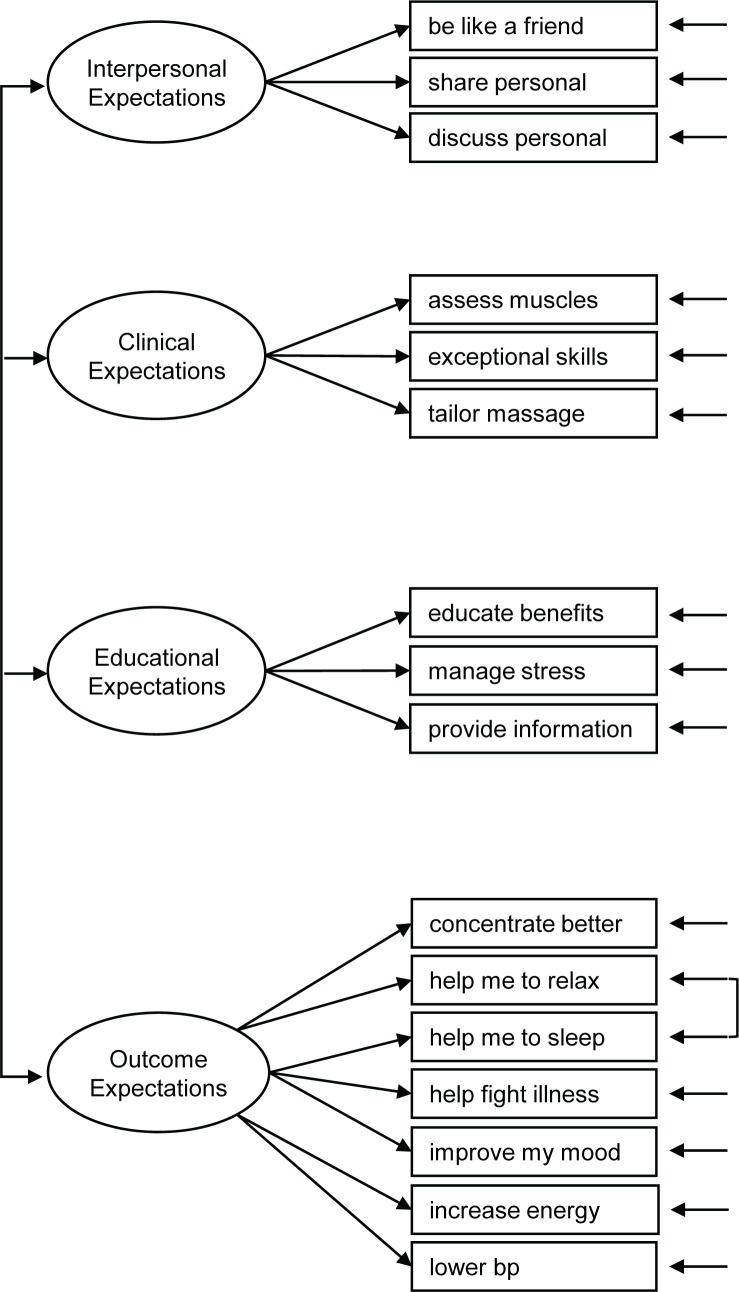
Although there is evidence that client expectations influence client outcomes, a valid and reliable scale for measuring the range of client expectations for both massage therapy and the behaviors of their massage therapists does not exist. Understanding how client expectations influence client outcomes would provide insight into how massage achieves its reported effects.
To develop and validate the Client Expectations of Massage Scale (CEMS), a measure of clients' clinical, educational, interpersonal, and outcome expectations.
Offices of licensed massage therapists in Iowa.
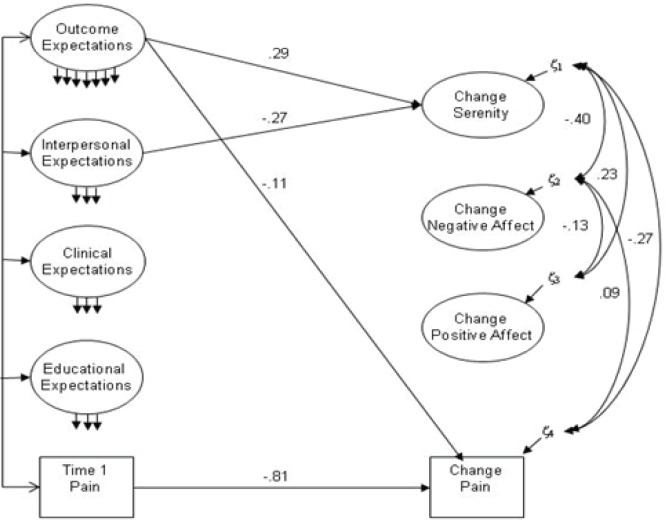
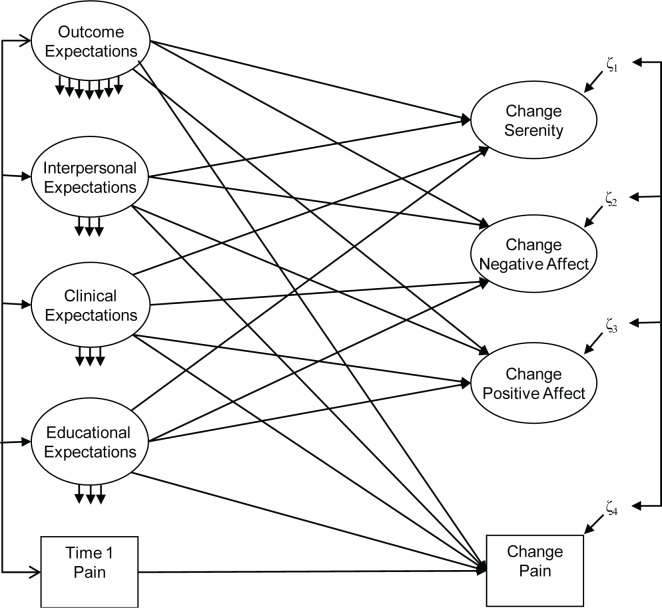
A practice-based research methodology was used to collect data from two samples of massage therapy clients. For Sample 1, 21 volunteer massage therapists collected data from their clients before the massage. Factor analysis was conducted to test construct validity and coefficient alpha was used to assess reliability. Correlational analyses with the CEMS, previous measures of client expectations, and the Life Orientation Test-Revised were examined to test the convergent and discriminant validity of the CEMS. For Sample 2, 24 massage therapists distributed study materials for clients to complete before and after a massage therapy session. Structural equation modeling was used to assess the construct, discriminant, and predictive validity of the CEMS.
Sample 1 involved 320 and Sample 2 involved 321 adult massage clients.
Standard care provided by licensed massage therapists.
Numeric Rating Scale for pain and Positive and Negative Affect Schedule-Revised (including the Serenity subscale).
The CEMS demonstrated good construct, convergent, discriminant and predictive validity, and adequate reliability. Client expectations were generally positive toward massage and their massage therapists. Positive outcome expectations had a positive effect on clients' changes in pain and serenity. High interpersonal expectations had a negative effect on clients' changes in serenity.
Client expectations contribute to the nonspecific effects of massage therapy.
尽管有证据表明客户期望会影响客户的治疗结果,但目前尚无一个有效且可靠的量表来衡量客户对按摩治疗及其按摩治疗师行为的期望范围。了解客户期望如何影响客户治疗结果,将有助于深入了解按摩是如何实现其宣称的效果的。
开发并验证按摩客户期望量表(CEMS),该量表用于测量客户的临床、教育、人际和治疗结果期望。
爱荷华州有执照的按摩治疗师办公室。
采用基于实践的研究方法,从两个按摩治疗客户样本中收集数据。对于样本1,21名志愿按摩治疗师在按摩前从他们的客户那里收集数据。进行因子分析以检验结构效度,并用α系数评估信度。对CEMS、先前的客户期望测量方法以及修订后的生活取向测试进行相关分析,以检验CEMS的收敛效度和区分效度。对于样本2,24名按摩治疗师分发研究材料,让客户在按摩治疗前后完成。采用结构方程模型评估CEMS的结构效度、区分效度和预测效度。
样本1包括320名成年按摩客户,样本2包括321名成年按摩客户。
有执照的按摩治疗师提供的标准护理。
疼痛数字评定量表以及修订后的正负性情绪量表(包括宁静子量表)。
CEMS显示出良好的结构效度、收敛效度、区分效度和预测效度,以及足够的信度。客户对按摩及其按摩治疗师的期望总体上是积极的。积极的治疗结果期望对客户的疼痛和宁静变化有积极影响。高人际期望对客户的宁静变化有负面影响。
客户期望有助于按摩治疗的非特异性效果。