Institut für Klinische und Molekulare Virologie, Friedrich-Alexander-Universität, Erlangen-Nürnberg, Germany.
PLoS Pathog. 2012;8(10):e1002999. doi: 10.1371/journal.ppat.1002999. Epub 2012 Oct 25.
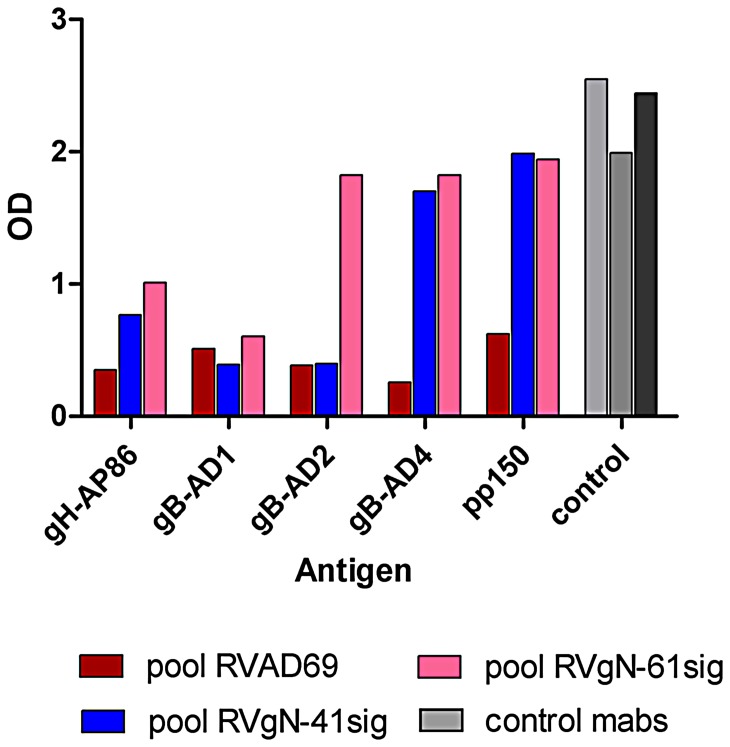
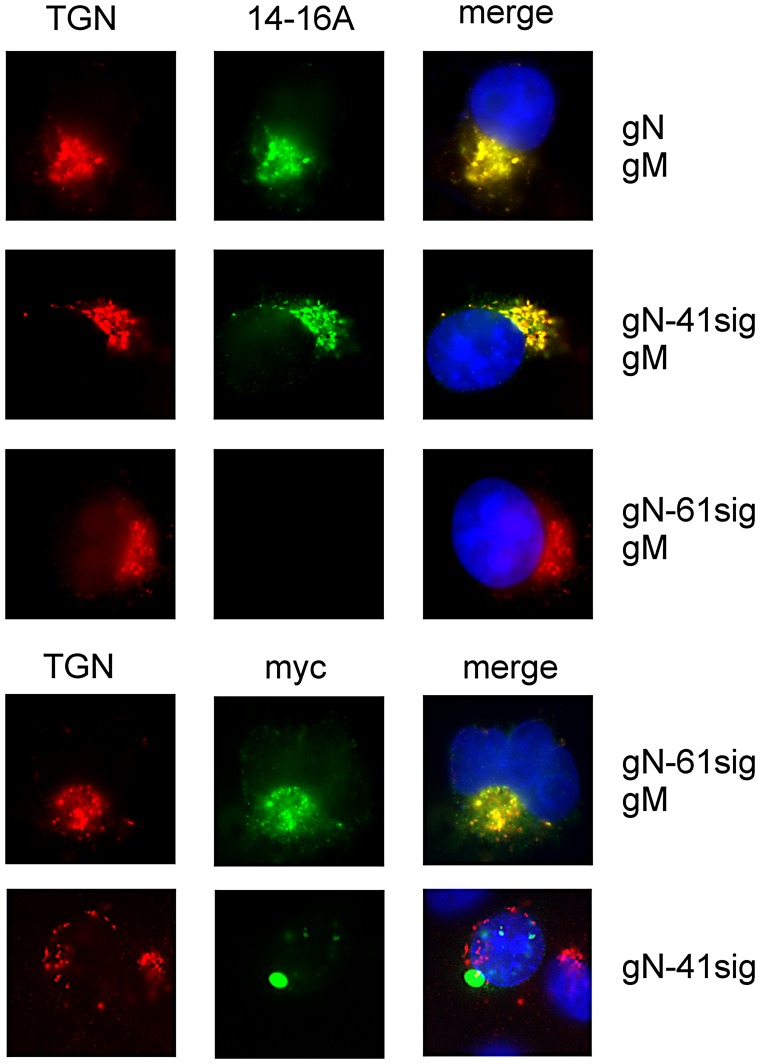
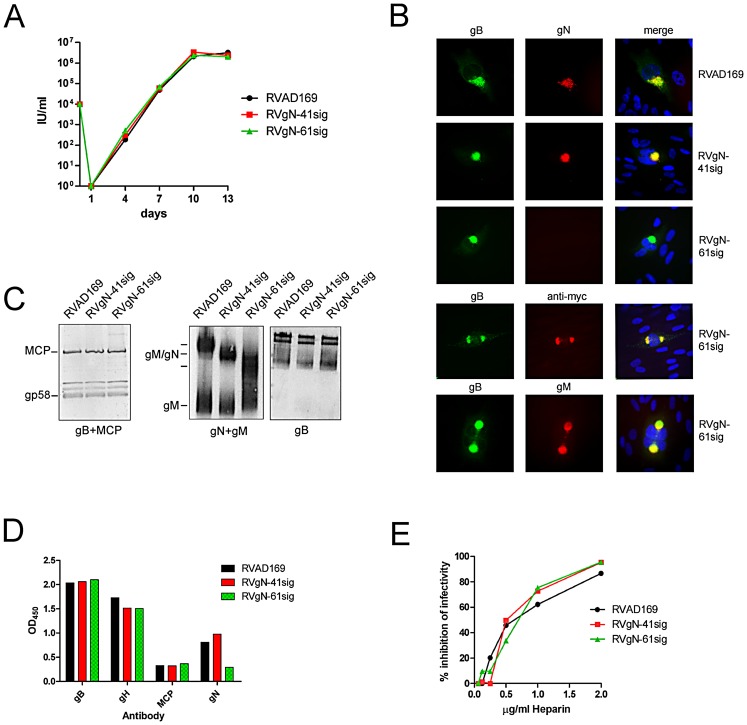
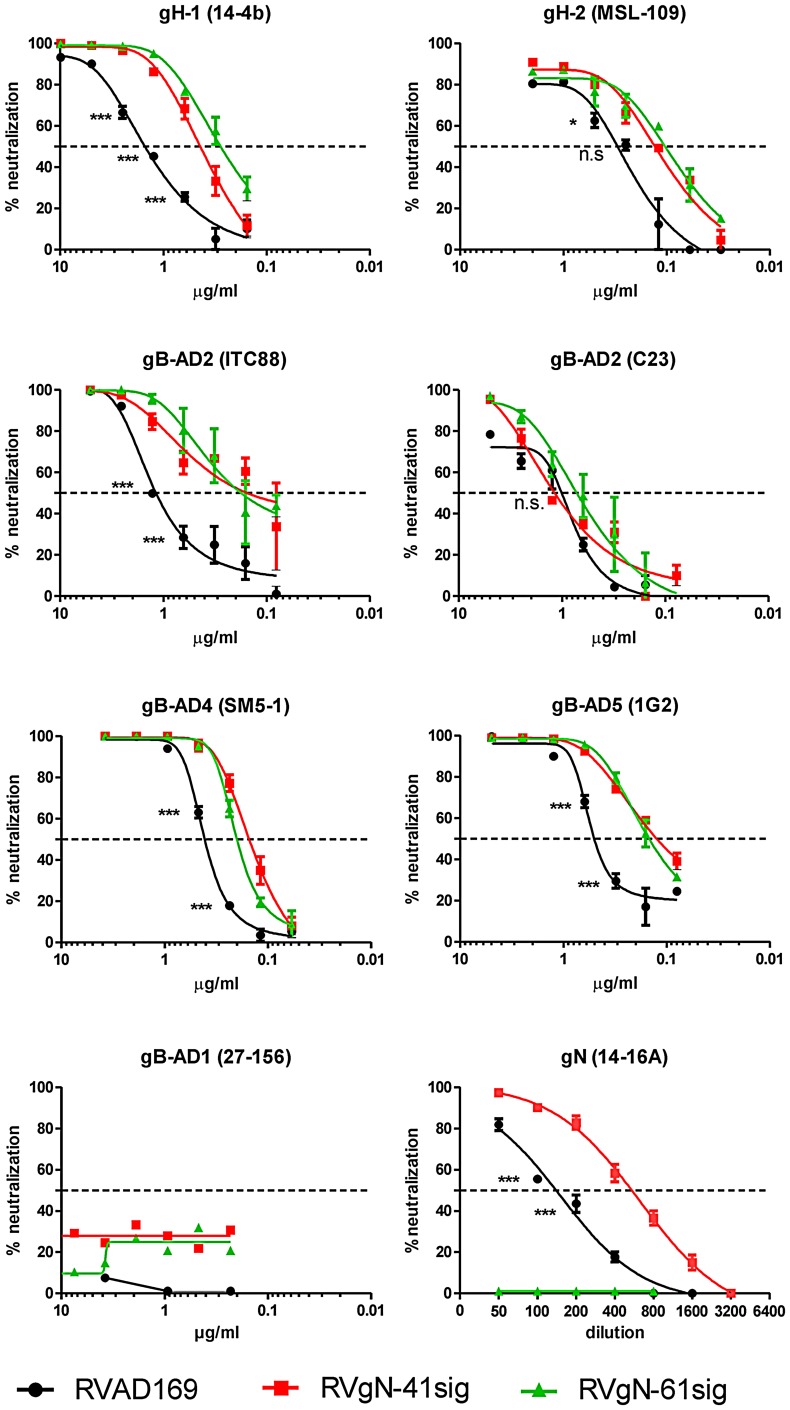
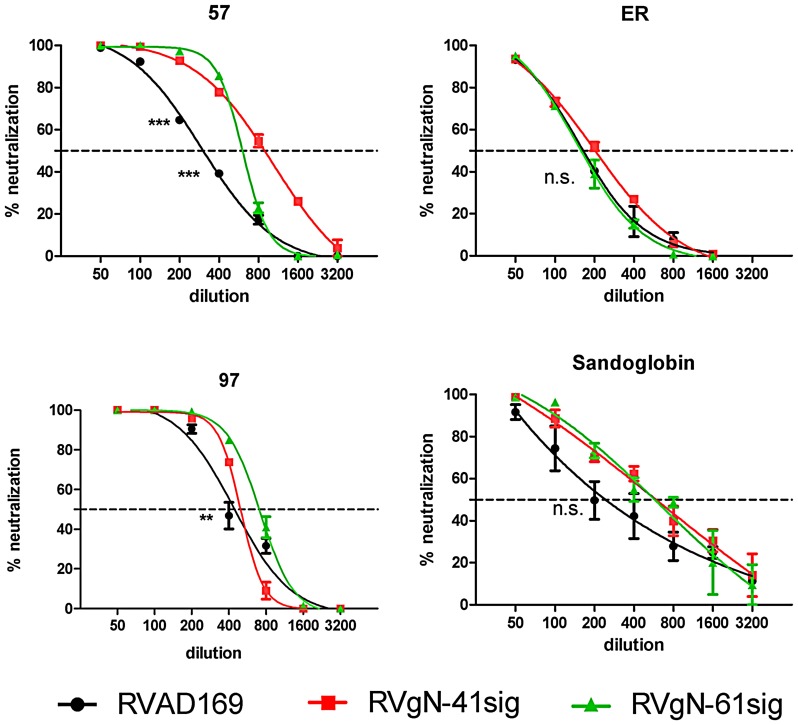
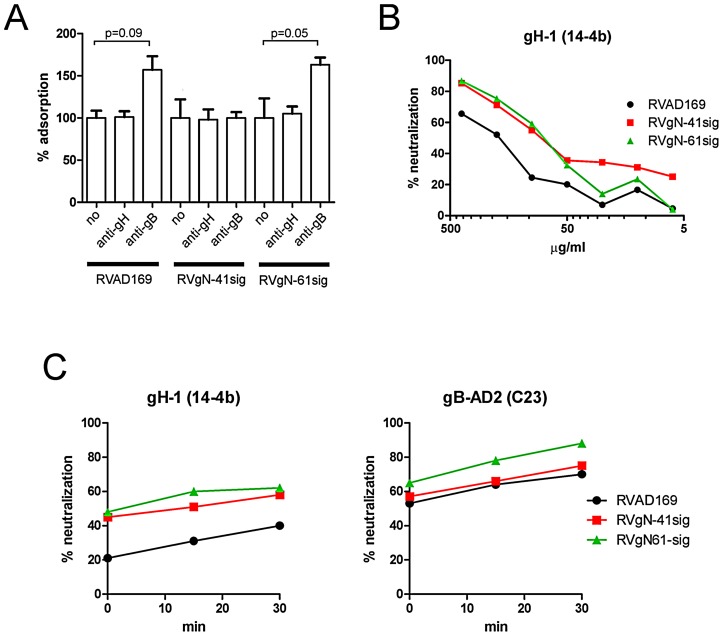
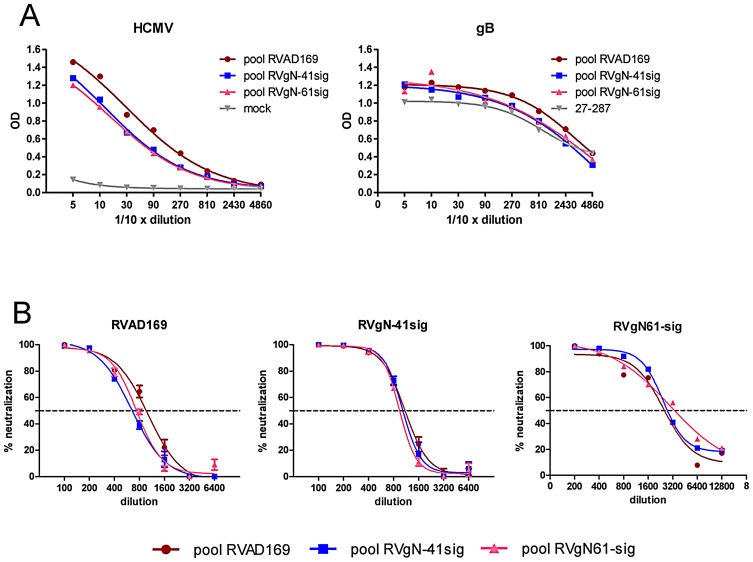
Herpes viruses persist in the infected host and are transmitted between hosts in the presence of a fully functional humoral immune response, suggesting that they can evade neutralization by antiviral antibodies. Human cytomegalovirus (HCMV) encodes a number of polymorphic highly glycosylated virion glycoproteins (g), including the essential envelope glycoprotein, gN. We have tested the hypothesis that glycosylation of gN contributes to resistance of the virus to neutralizing antibodies. Recombinant viruses carrying deletions in serine/threonine rich sequences within the glycosylated surface domain of gN were constructed in the genetic background of HCMV strain AD169. The deletions had no influence on the formation of the gM/gN complex and in vitro replication of the respective viruses compared to the parent virus. The gN-truncated viruses were significantly more susceptible to neutralization by a gN-specific monoclonal antibody and in addition by a number of gB- and gH-specific monoclonal antibodies. Sera from individuals previously infected with HCMV also more efficiently neutralized gN-truncated viruses. Immunization of mice with viruses that expressed the truncated forms of gN resulted in significantly higher serum neutralizing antibody titers against the homologous strain that was accompanied by increased antibody titers against known neutralizing epitopes on gB and gH. Importantly, neutralization activity of sera from animals immunized with gN-truncated virus did not exhibit enhanced neutralizing activity against the parental wild type virus carrying the fully glycosylated wild type gN. Our results indicate that the extensive glycosylation of gN could represent a potentially important mechanism by which HCMV neutralization by a number of different antibody reactivities can be inhibited.
疱疹病毒在受感染的宿主中持续存在,并在体液免疫反应完全发挥功能的情况下在宿主之间传播,这表明它们可以逃避抗病毒抗体的中和作用。人巨细胞病毒(HCMV)编码许多多态性高度糖基化的病毒糖蛋白(g),包括必需的包膜糖蛋白 gN。我们已经测试了以下假说,即 gN 的糖基化有助于病毒抵抗中和抗体。在 HCMV 株 AD169 的遗传背景下,构建了在 gN 糖基化表面结构域内的丝氨酸/苏氨酸富含序列缺失的重组病毒。与亲本病毒相比,缺失对 gM/gN 复合物的形成和相应病毒的体外复制没有影响。与亲本病毒相比,gN 截断病毒对 gN 特异性单克隆抗体以及一些 gB 和 gH 特异性单克隆抗体的中和作用明显更为敏感。先前感染过 HCMV 的个体的血清也更有效地中和 gN 截断病毒。用表达截断形式 gN 的病毒免疫小鼠会导致针对同源株的血清中和抗体滴度显著升高,同时针对 gB 和 gH 上已知中和表位的抗体滴度也升高。重要的是,用 gN 截断病毒免疫的动物血清的中和活性对携带完全糖基化野生型 gN 的亲本野生型病毒没有增强的中和活性。我们的研究结果表明,gN 的广泛糖基化可能是 HCMV 中和作用被多种不同抗体反应抑制的一个潜在重要机制。