Institute of Evolution, University of Haifa, Israel.
BMC Genomics. 2012 Nov 13;13:615. doi: 10.1186/1471-2164-13-615.
The development of complex responses to hypoxia has played a key role in the evolution of mammals, as inadequate response to this condition is frequently associated with cardiovascular diseases, developmental disorders, and cancers. Though numerous studies have used mice and rats in order to explore mechanisms that contribute to hypoxia tolerance, these studies are limited due to the high sensitivity of most rodents to severe hypoxia. The blind subterranean mole rat Spalax is a hypoxia tolerant rodent, which exhibits unique longevity and therefore has invaluable potential in hypoxia and cancer research.
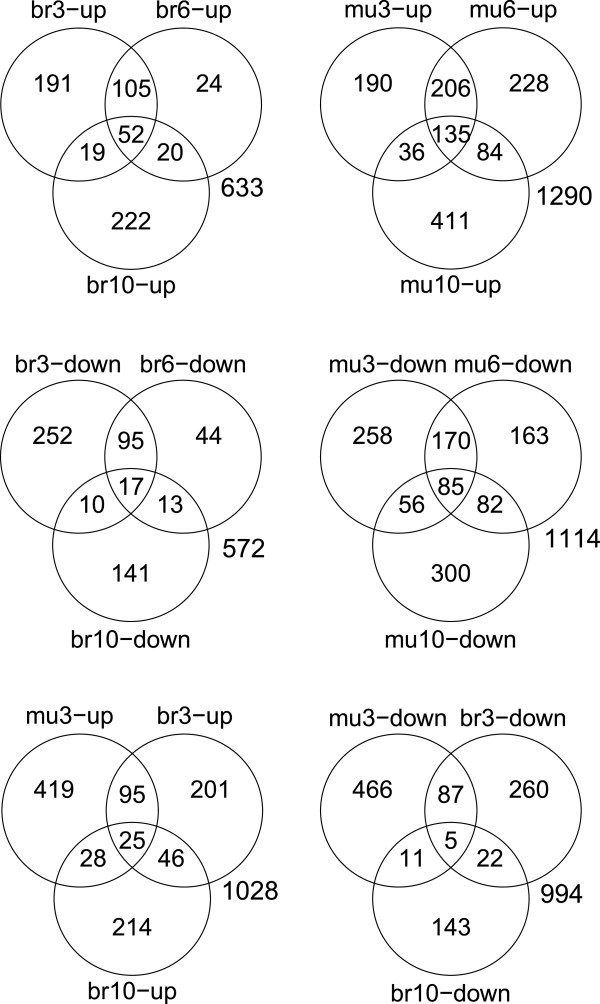
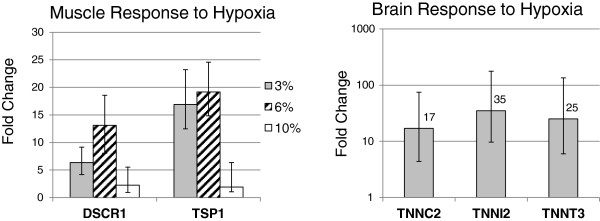
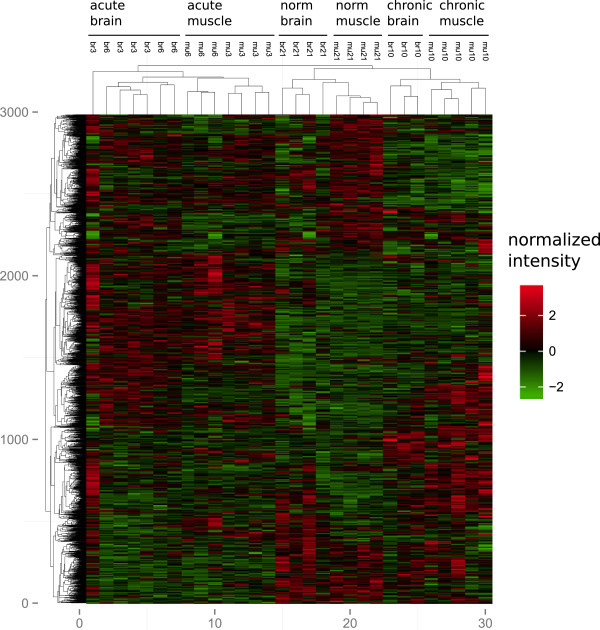
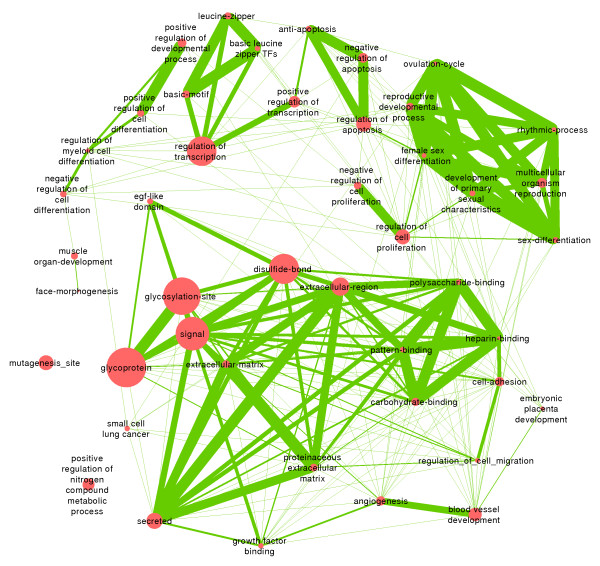
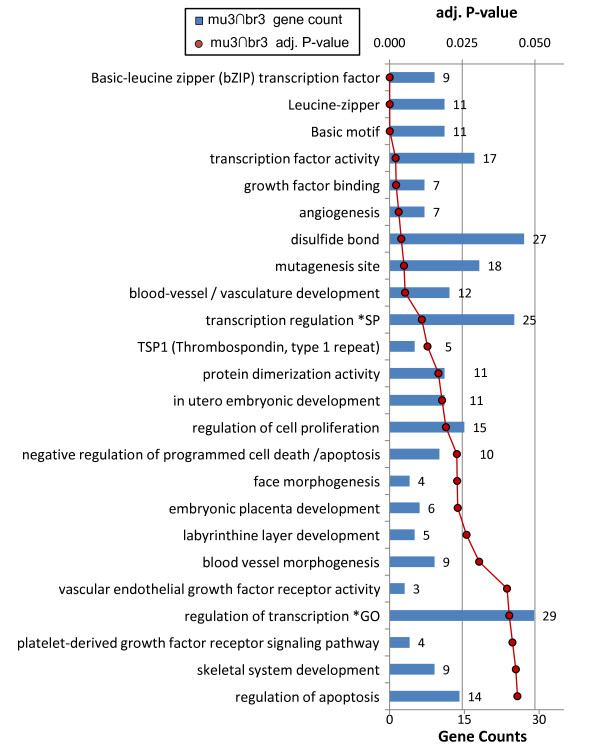
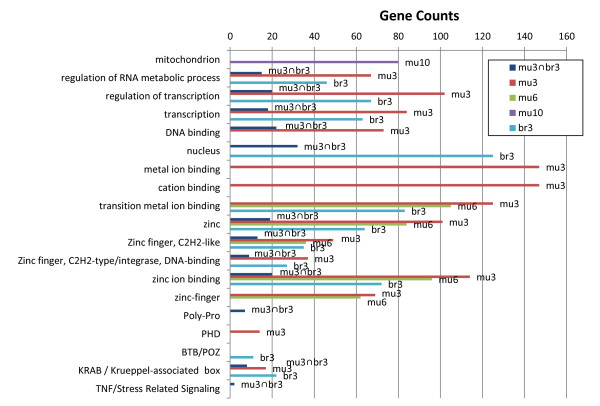
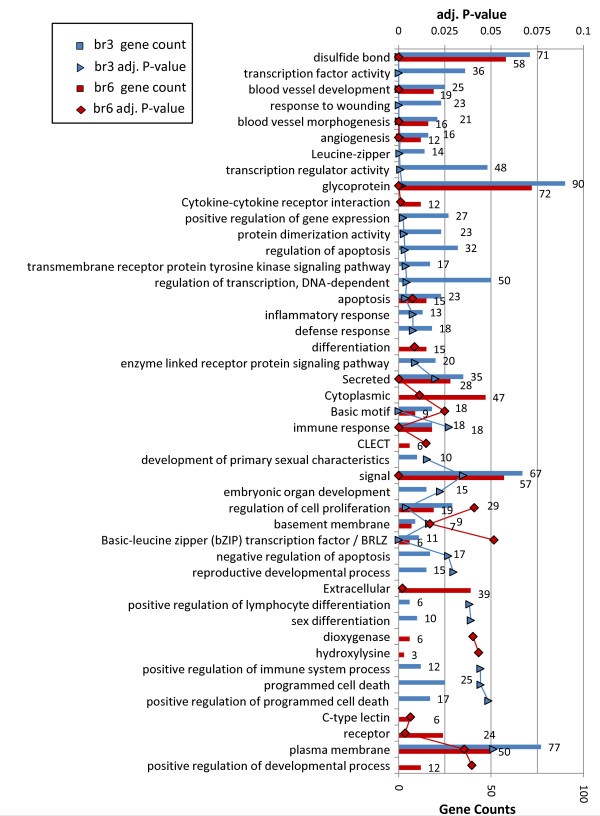
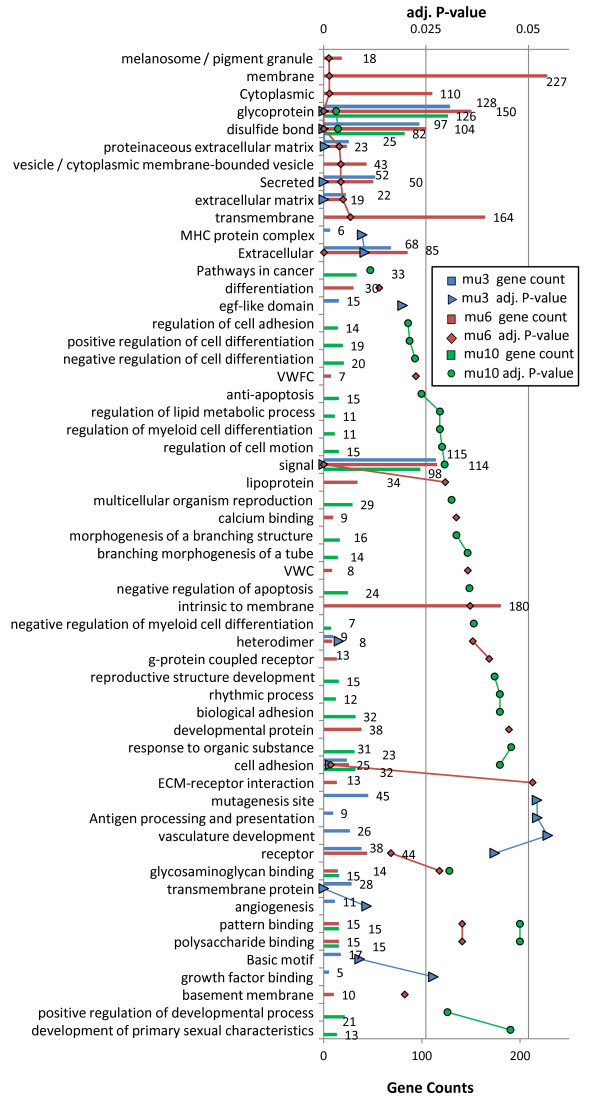
Using microarrays, transcript abundance was measured in brain and muscle tissues from Spalax and rat individuals exposed to acute and chronic hypoxia for varying durations. We found that Spalax global gene expression response to hypoxia differs from that of rat and is characterized by the activation of functional groups of genes that have not been strongly associated with the response to hypoxia in hypoxia sensitive mammals. Using functional enrichment analysis of Spalax hypoxia induced genes we found highly significant overrepresentation of groups of genes involved in anti apoptosis, cancer, embryonic/sexual development, epidermal growth factor receptor binding, coordinated suppression and activation of distinct groups of transcription factors and membrane receptors, in addition to angiogenic related processes. We also detected hypoxia induced increases of different critical Spalax hub gene transcripts, including antiangiogenic genes associated with cancer tolerance in Down syndrome human individuals.
This is the most comprehensive study of Spalax large scale gene expression response to hypoxia to date, and the first to use custom Spalax microarrays. Our work presents novel patterns that may underlie mechanisms with critical importance to the evolution of hypoxia tolerance, with special relevance to medical research.
对缺氧的复杂反应的发展在哺乳动物的进化中起着关键作用,因为对这种情况的反应不足常常与心血管疾病、发育障碍和癌症有关。尽管许多研究使用小鼠和大鼠来探索有助于缺氧耐受性的机制,但由于大多数啮齿动物对严重缺氧非常敏感,这些研究受到限制。盲眼地下穴居鼹鼠 Spalax 是一种对缺氧有耐受性的啮齿动物,它表现出独特的长寿,因此在缺氧和癌症研究中具有宝贵的潜力。
使用微阵列,我们测量了 Spalax 和大鼠个体在急性和慢性缺氧暴露不同时间后的大脑和肌肉组织中的转录物丰度。我们发现,Spalax 对缺氧的整体基因表达反应不同于大鼠,其特征是激活了与缺氧敏感哺乳动物对缺氧反应没有强烈关联的功能基因群。通过对 Spalax 缺氧诱导基因的功能富集分析,我们发现参与抗凋亡、癌症、胚胎/性发育、表皮生长因子受体结合、协调抑制和激活不同转录因子和膜受体群的基因群以及血管生成相关过程的高度显著过度表达。我们还检测到不同关键 Spalax 枢纽基因转录物的缺氧诱导增加,包括与唐氏综合征人类个体癌症耐受性相关的抗血管生成基因。
这是迄今为止对 Spalax 大规模基因对缺氧反应的最全面研究,也是首次使用定制的 Spalax 微阵列进行的研究。我们的工作提出了可能是缺氧耐受性进化的关键机制的新模式,特别是对医学研究具有特殊意义。