Hothi Parvinder, Martins Timothy J, Chen Liping, Deleyrolle Loic, Yoon Jae-Geun, Reynolds Brent, Foltz Greg
The Ben and Catherine Ivy Center for Advanced Brain Tumor Treatment, Swedish Neuroscience Institute, Seattle, WA, USA.
Oncotarget. 2012 Oct;3(10):1124-36. doi: 10.18632/oncotarget.707.
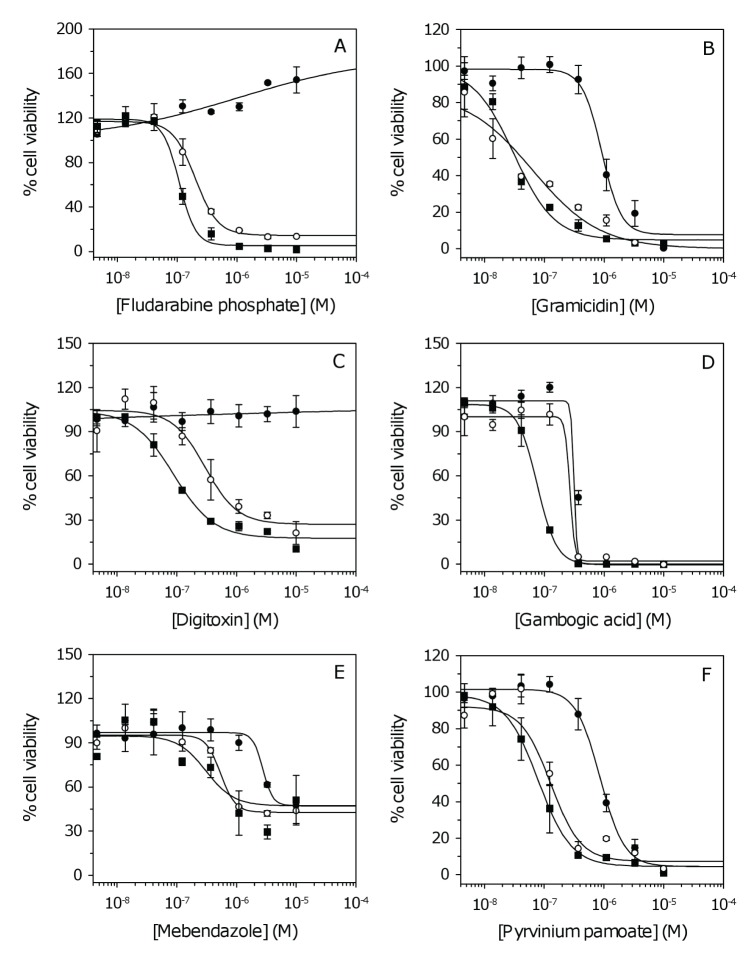
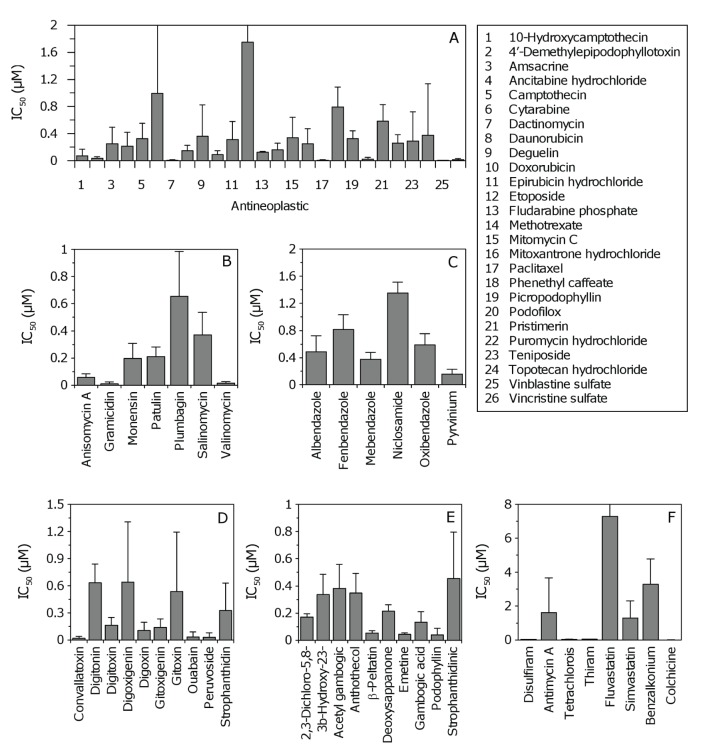
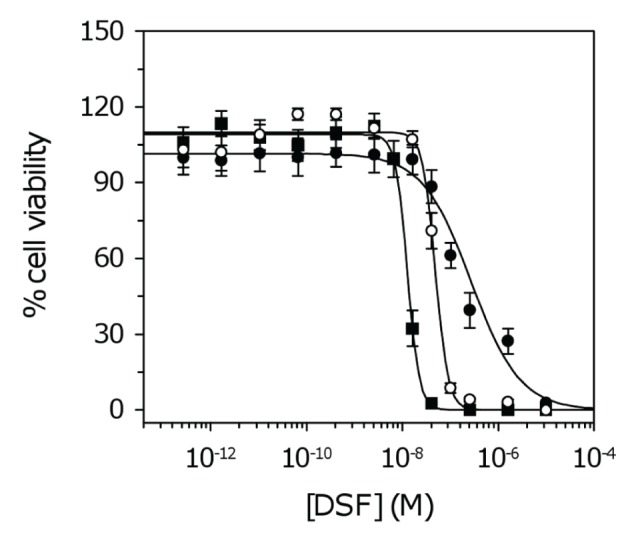
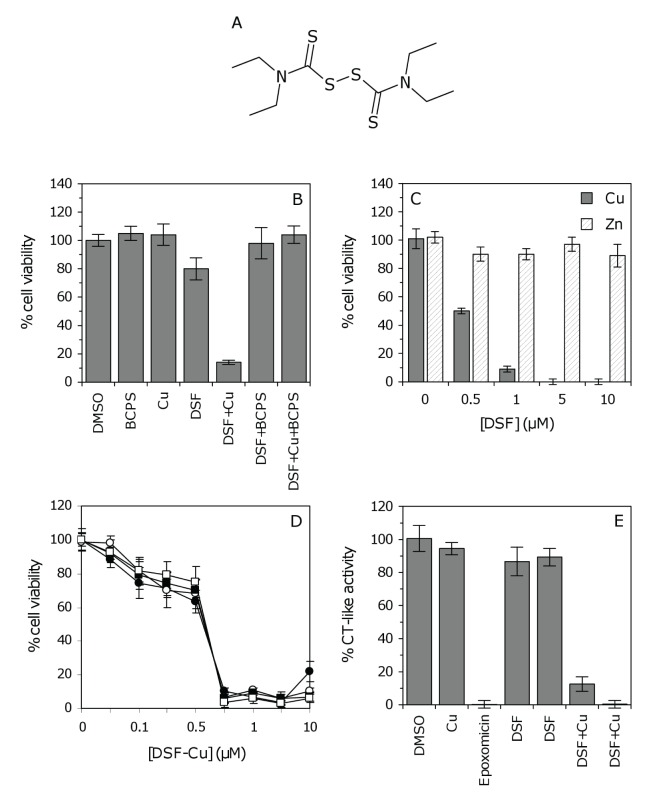
Glioblastoma Multiforme (GBM) continues to have a poor patient prognosis despite optimal standard of care. Glioma stem cells (GSCs) have been implicated as the presumed cause of tumor recurrence and resistance to therapy. With this in mind, we screened a diverse chemical library of 2,000 compounds to identify therapeutic agents that inhibit GSC proliferation and therefore have the potential to extend patient survival. High-throughput screens (HTS) identified 78 compounds that repeatedly inhibited cellular proliferation, of which 47 are clinically approved for other indications and 31 are experimental drugs. Several compounds (such as digitoxin, deguelin, patulin and phenethyl caffeate) exhibited high cytotoxicity, with half maximal inhibitory concentrations (IC50) in the low nanomolar range. In particular, the FDA approved drug for the treatment of alcoholism, disulfiram (DSF), was significantly potent across multiple patient samples (IC50 of 31.1 nM). The activity of DSF was potentiated by copper (Cu), which markedly increased GSC death. DSF-Cu inhibited the chymotrypsin-like proteasomal activity in cultured GSCs, consistent with inactivation of the ubiquitin-proteasome pathway and the subsequent induction of tumor cell death. Given that DSF is a relatively non-toxic drug that can penetrate the blood-brain barrier, we suggest that DSF should be tested (as either a monotherapy or as an adjuvant) in pre-clinical models of human GBM. Data also support targeting of the ubiquitin-proteasome pathway as a therapeutic approach in the treatment of GBM.
尽管采用了最佳标准治疗方案,多形性胶质母细胞瘤(GBM)患者的预后仍然很差。胶质瘤干细胞(GSCs)被认为是肿瘤复发和治疗耐药的原因。考虑到这一点,我们筛选了一个包含2000种化合物的多样化化学文库,以确定能够抑制GSC增殖从而有可能延长患者生存期的治疗药物。高通量筛选(HTS)鉴定出78种能反复抑制细胞增殖的化合物,其中47种已被临床批准用于其他适应症,31种为实验性药物。几种化合物(如洋地黄毒苷、鱼藤素、展青霉素和咖啡酰苯乙酯)表现出高细胞毒性,半数最大抑制浓度(IC50)在低纳摩尔范围内。特别是,美国食品药品监督管理局(FDA)批准用于治疗酒精中毒的药物双硫仑(DSF),在多个患者样本中具有显著效力(IC50为31.1 nM)。铜(Cu)增强了DSF的活性,显著增加了GSC的死亡。DSF-Cu抑制了培养的GSCs中类胰凝乳蛋白酶样蛋白酶体活性,这与泛素-蛋白酶体途径的失活以及随后肿瘤细胞死亡的诱导一致。鉴于DSF是一种相对无毒且能穿透血脑屏障的药物,我们建议在人GBM的临床前模型中对DSF进行测试(作为单一疗法或辅助疗法)。数据还支持将泛素-蛋白酶体途径作为GBM治疗的一种治疗方法。