Foy Kevin C, Miller Megan J, Moldovan Nicanor, Bozanovic Tatjana, Carson William E, Kaumaya Pravin T P
Department of Obstetrics and Gynecology; The Ohio State University Wexner Medical Center; Columbus, OH USA ; Department of Microbiology; The Ohio State University Wexner Medical Center; Columbus, OH USA.
Department of Internal Medicine; The Ohio State University Wexner Medical Center; Columbus, OH USA.
Oncoimmunology. 2012 Oct 1;1(7):1004-1016. doi: 10.4161/onci.21057.
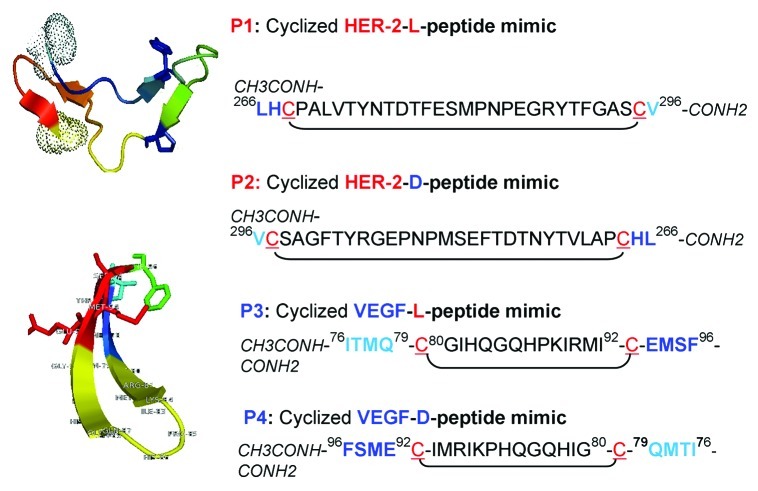
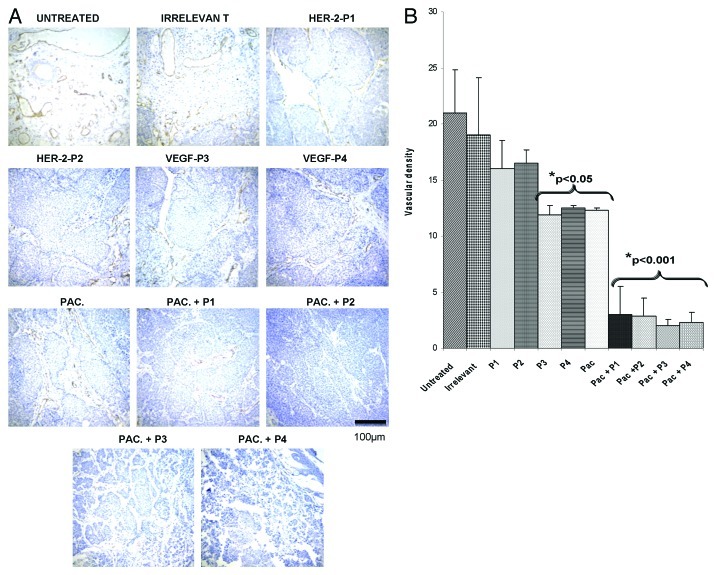
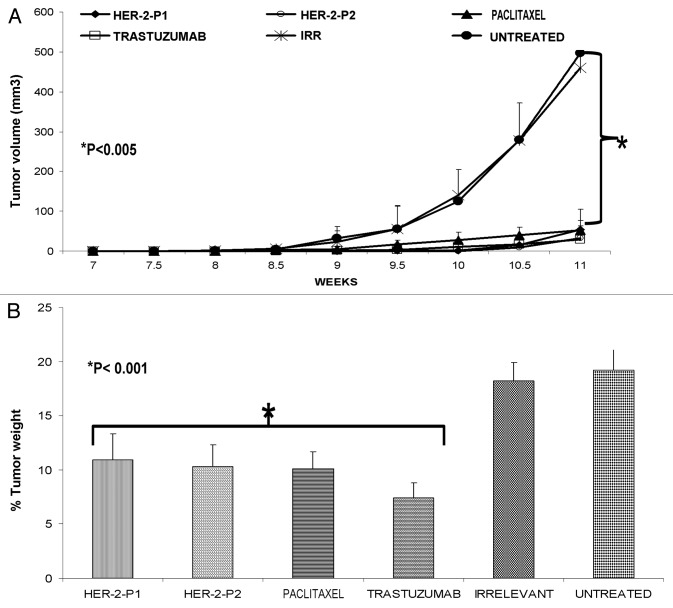
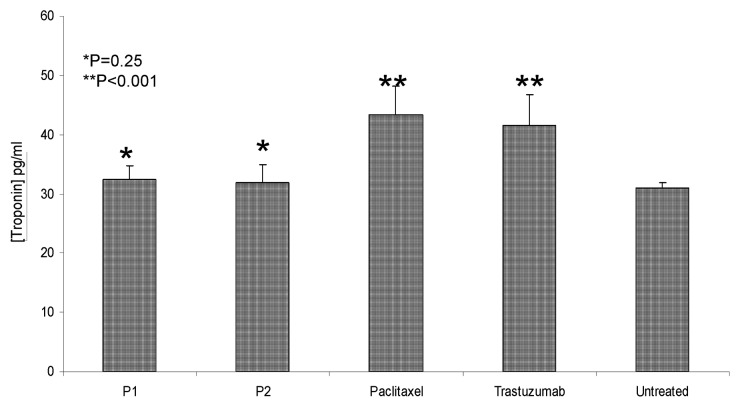
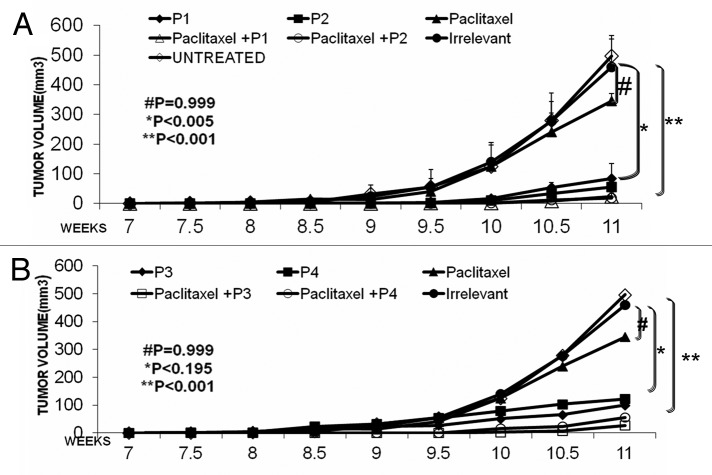
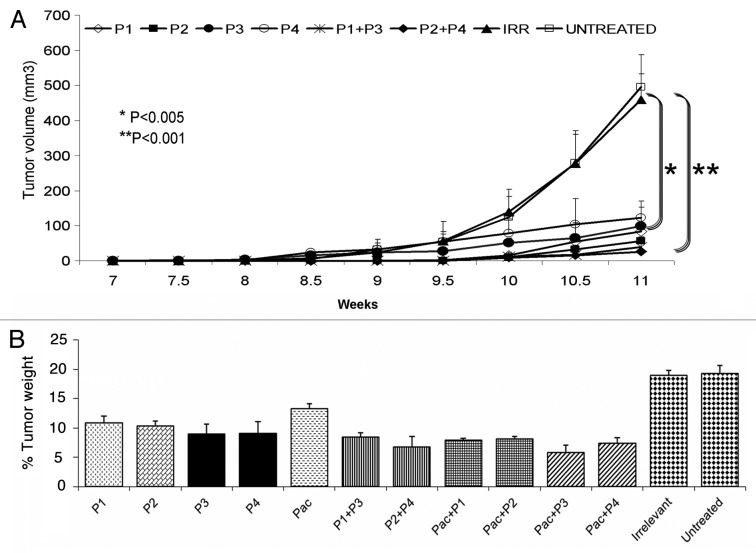
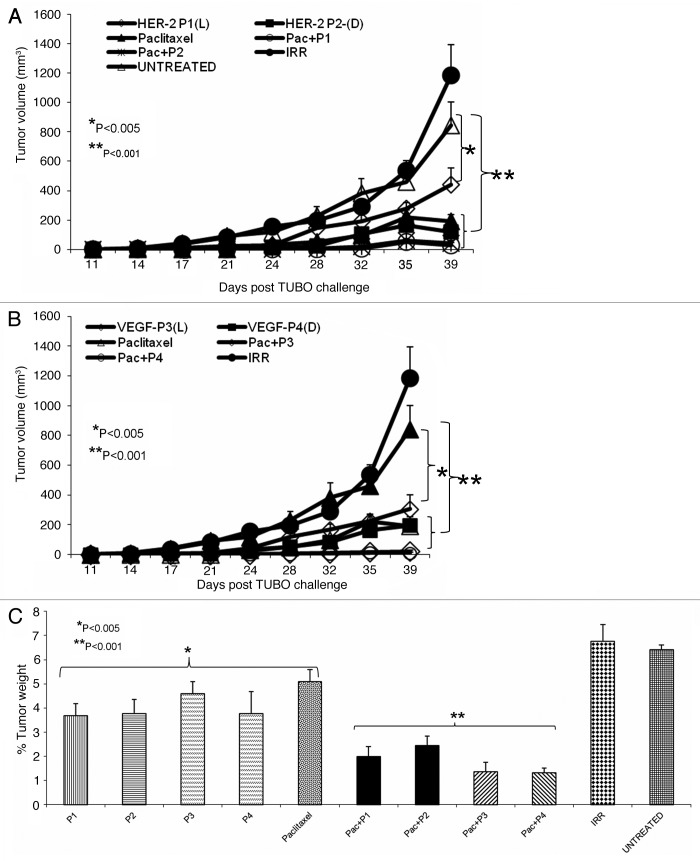
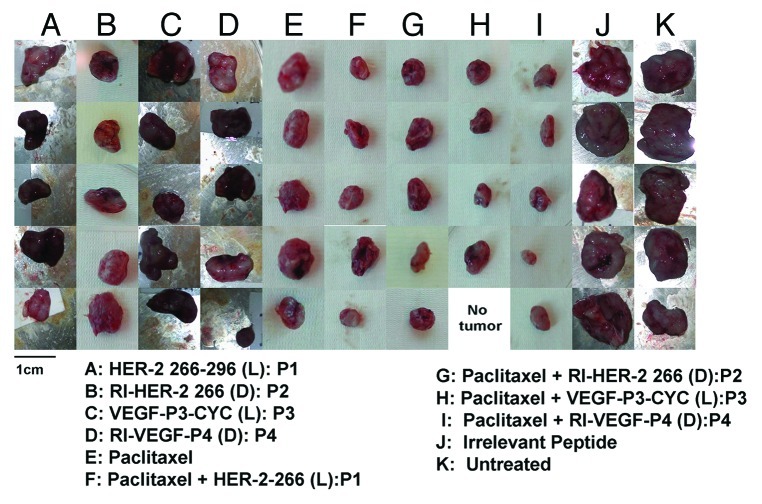
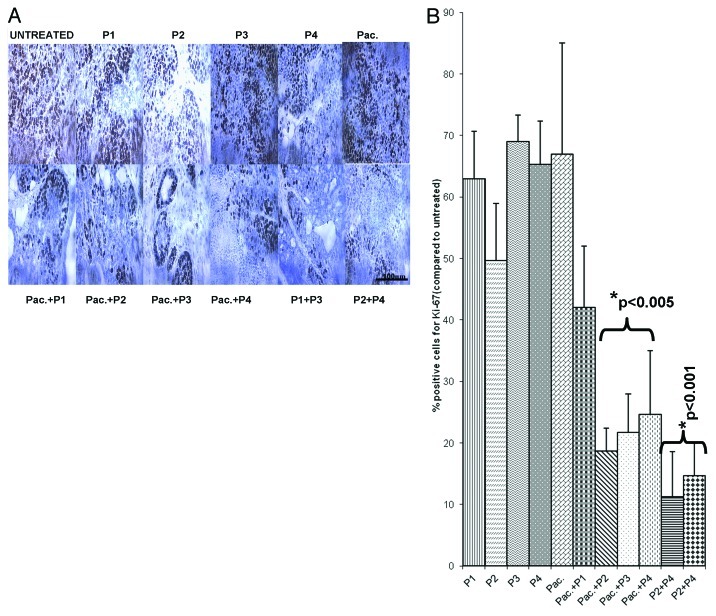
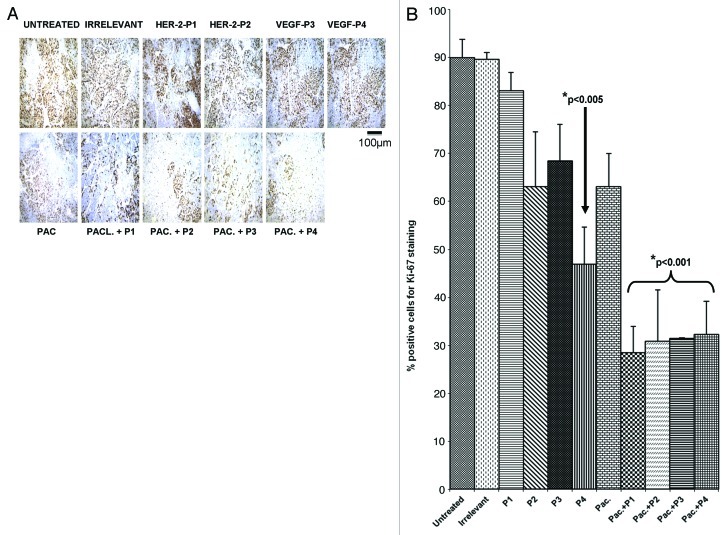
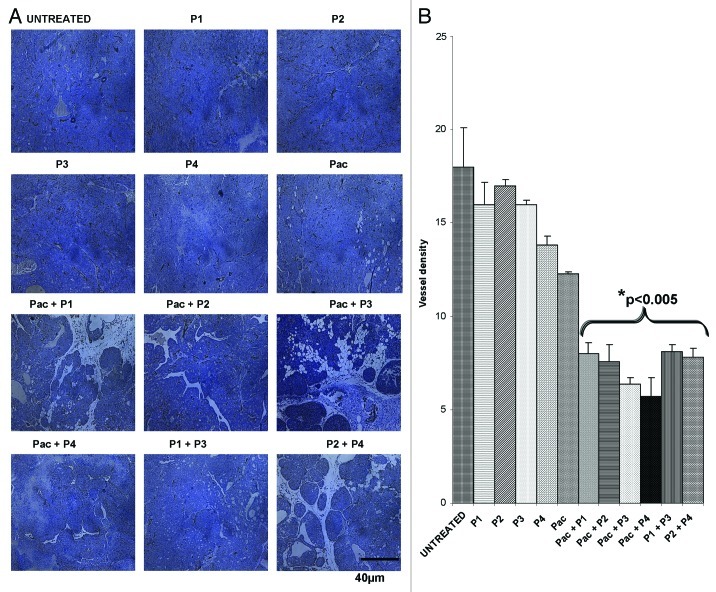
HER-2 and the vascular endothelial factor receptor (VEGF) represent validated targets for the therapy of multiple tumor types and inhibitors of these receptors have gained increasing importance in the clinic. In this context, novel bioactive agents associated with better therapeutic outcomes and improved safety profile are urgently required. Specifically engineered HER-2- and VEGF-derived peptides in combination with low-dose chemotherapy might provide a substantial impact on tumor metastasis and cancer progression. We tested the antitumor effects of HER-2 and VEGF peptide mimics in combination with metronomic paclitaxel in both PyMT and Balb/c murine model challenged with TUBO cells. The combination of low-dose paclitaxel and HER-2 or VEGF peptide mimics had greater inhibitory effects than either agent alone. Peptide treatment caused virtually no cardiotoxic effects, while paclitaxel and the anti-HER-2 antibody trastuzumab (Herceptin), exerted consistent cardiotoxicity. The combination regimen also promoted significant reductions in tumor burden and prolonged survival rates in both transgenic and transplantable tumor models. Tumor weights were significantly reduced in mice treated with HER-2 peptides alone, and even more in animals that received HER-2 peptide with low-dose paclitaxel, which alone had no significant effects on tumor growth in the transgenic model. Specifically engineered native peptide sequences from HER-2 and VEGF used in combination with metronomic paclitaxel demonstrate enhanced anticancer efficacy and an encouraging safety profile. This novel approach to targeted therapy may offer new avenues for the treatment of breast cancer and other solid tumors that overexpress HER-2 and VEGF.
HER-2和血管内皮生长因子受体(VEGF)是多种肿瘤类型治疗的有效靶点,这些受体的抑制剂在临床上的重要性日益增加。在这种情况下,迫切需要具有更好治疗效果和更高安全性的新型生物活性剂。经过特殊设计的源自HER-2和VEGF的肽与低剂量化疗联合使用,可能会对肿瘤转移和癌症进展产生重大影响。我们在接种TUBO细胞的PyMT和Balb/c小鼠模型中测试了HER-2和VEGF肽模拟物与节拍性紫杉醇联合使用的抗肿瘤效果。低剂量紫杉醇与HER-2或VEGF肽模拟物联合使用的抑制作用比单独使用任何一种药物都更强。肽治疗几乎不会引起心脏毒性,而紫杉醇和抗HER-2抗体曲妥珠单抗(赫赛汀)则会产生持续的心脏毒性。联合治疗方案还能显著减轻转基因和可移植肿瘤模型中的肿瘤负担,并延长生存率。单独使用HER-2肽治疗的小鼠肿瘤重量显著降低,而接受HER-2肽与低剂量紫杉醇联合治疗的动物肿瘤重量降低得更多,低剂量紫杉醇单独使用对转基因模型中的肿瘤生长没有显著影响。经过特殊设计的源自HER-2和VEGF的天然肽序列与节拍性紫杉醇联合使用,显示出增强的抗癌疗效和令人鼓舞的安全性。这种新型靶向治疗方法可能为治疗过度表达HER-2和VEGF的乳腺癌和其他实体瘤提供新途径。