Child Health Research Foundation (CHRF), Department of Microbiology, Dhaka Shishu Hospital, Dhaka, Bangladesh.
J Glob Health. 2011 Dec;1(2):201-9.
Neonatal infections annually claim lives of 1.4 million neonates worldwide. Until now, there is no ideal diagnostic test for detecting sepsis and thus management of possible sepsis cases often depends on clinical algorithm leading to empirical treatment. This often results in unnecessary antibiotic use, which may lead to emergence of antibiotic resistance. Biomarkers have shown great promise in diagnosis of sepsis and guiding appropriate treatment of neonates. In this study, we conducted a literature review of existing biomarkers to analyze their status for use as a point-of-care diagnostic in developing countries.
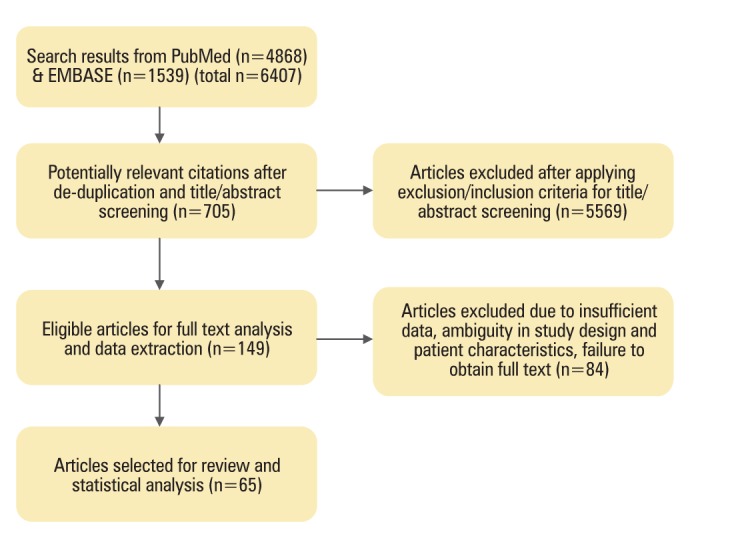
PubMed and EMBASE database were searched with keywords, 'infections', 'neonates', and 'biomarkers' to retrieve potentially relevant papers from the period 1980 to 2010. Leading hospitals and manufacturers were communicated to inquire about the cost, laboratory requirements and current standing of biomarkers in clinical use.
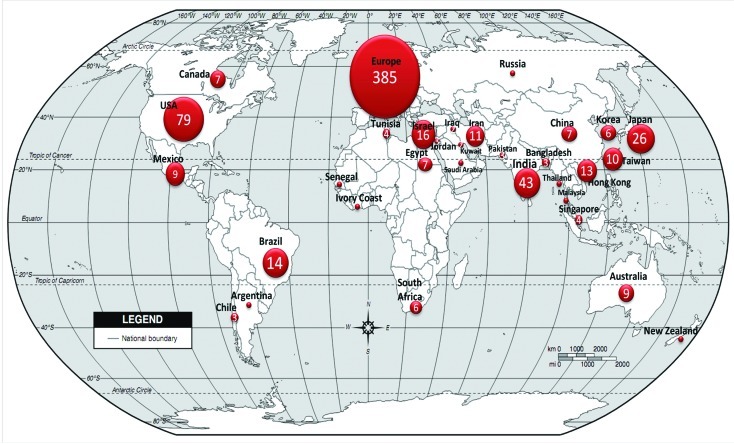
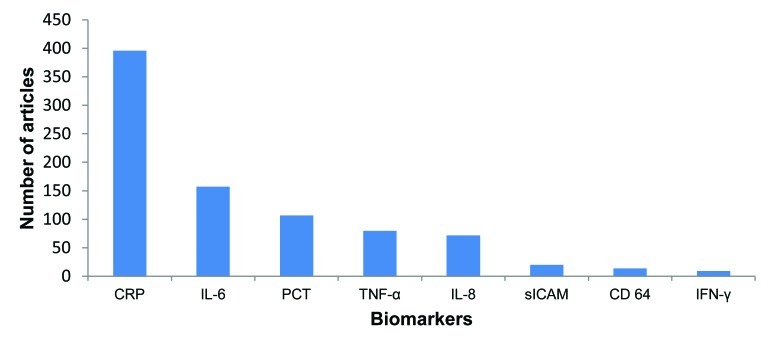
The search returned 6407 papers on biomarkers; 65 were selected after applying inclusion and exclusion criteria. Among the studies, C-reactive protein (CRP), procalcitonin (PCT) and interleukin 6 (IL-6) were the most widely studied biomarkers and were considered to be most promising for diagnosing neonatal infections. About 90% of the studies were from developed countries; more than 50% were from Europe.
Extensive work is being performed to find the diagnostic and prognostic value of biomarkers. However, the methodologies and study design are highly variable. Despite numerous research papers on biomarkers, their use in clinical setting is limited to CRP. The methods for detection of biomarkers are far too advanced to be used at the community level where most of the babies are dying. It is important that a harmonized multi-site study is initiated to find a battery of biomarkers for diagnosis of neonatal infections.
新生儿感染每年导致全球 140 万新生儿死亡。到目前为止,还没有理想的诊断试验来检测败血症,因此对可能发生的败血症病例的处理往往依赖于临床算法,导致经验性治疗。这通常会导致不必要的抗生素使用,从而可能导致抗生素耐药性的出现。生物标志物在败血症的诊断和指导新生儿的适当治疗方面显示出巨大的前景。在这项研究中,我们对现有的生物标志物进行了文献回顾,分析了它们在发展中国家作为即时诊断工具的使用情况。
使用关键词“感染”、“新生儿”和“生物标志物”在 PubMed 和 EMBASE 数据库中进行搜索,以检索 1980 年至 2010 年期间可能相关的论文。与主要医院和制造商进行了沟通,询问有关成本、实验室要求和当前临床使用中生物标志物状况的信息。
搜索返回了 6407 篇关于生物标志物的论文;经过纳入和排除标准的应用,选择了 65 篇。在这些研究中,C 反应蛋白(CRP)、降钙素原(PCT)和白细胞介素 6(IL-6)是研究最广泛的生物标志物,被认为是诊断新生儿感染最有前途的生物标志物。约 90%的研究来自发达国家;超过 50%来自欧洲。
正在进行广泛的工作来寻找生物标志物的诊断和预后价值。然而,方法学和研究设计高度多样化。尽管有大量关于生物标志物的研究论文,但它们在临床中的应用仅限于 CRP。生物标志物的检测方法过于先进,无法在大多数婴儿死亡的社区环境中使用。重要的是启动一项协调的多地点研究,以找到一组用于诊断新生儿感染的生物标志物。