Department of Oral Biology, CL 2140, School of Dentistry, Medical College of Georgia, Augusta, GA 30912-1128 USA.
EPMA J. 2010 Mar;1(1):32-45. doi: 10.1007/s13167-010-0012-7. Epub 2010 Mar 10.
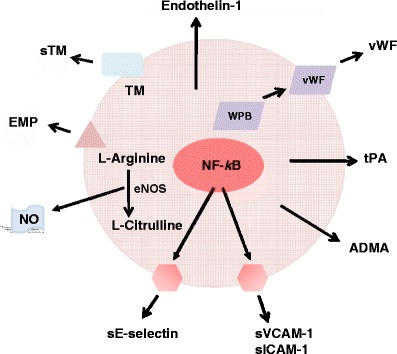
Endothelial dysfunction is a predisposing factor for vascular disease in diabetes, which contributes significantly to the mortality of diabetic patients. The currently utilized assessment methods of endothelial function/dysfunction in humans are associated with various limitations. Circulating endothelial-derived/associated markers have been proposed as potential alternatives for evaluation of the endothelium in condition of vascular disorders. These indicators include von Willebrand factor, soluble thrombomodulin, soluble E-selectin, asymmetric dimethylarginine, tissue plasminogen activator, endothelial microparticles, circulating endothelial cells and circulating endothelial progenitor cells. While tentative evidence is available for most of these biomarkers to serve as reliable sources of information, their usefulness for routine clinical applications has not yet been established. Thus, circulating endothelial markers are currently the subject of intense research interest and it is anticipated that as more information becomes available their improved quantification will provide a suitable diagnostic and prognostic tool for vascular events in diabetes and related diseases.
内皮功能障碍是糖尿病血管疾病的一个致病因素,这极大地导致了糖尿病患者的死亡率。目前用于评估人类内皮功能/障碍的方法存在各种局限性。循环内皮衍生/相关标志物已被提议作为血管疾病情况下评估内皮的潜在替代方法。这些指标包括血管性血友病因子、可溶性血栓调节蛋白、可溶性 E-选择素、不对称二甲基精氨酸、组织型纤溶酶原激活物、内皮微颗粒、循环内皮细胞和循环内皮祖细胞。虽然大多数这些生物标志物都有初步的证据可以作为可靠的信息来源,但它们在常规临床应用中的有用性尚未得到证实。因此,循环内皮标志物目前是研究的热点,随着更多信息的出现,它们的定量检测将为糖尿病和相关疾病的血管事件提供一种合适的诊断和预后工具。