Shih Hung-Ju, Chen Hsiao-Huei, Chen Yen-An, Wu Meng-Hsun, Liou Gan-Guang, Chang Wei-Wen, Chen Linyi, Wang Lu-Hai, Hsu Hsin-Ling
Institute of Molecular and Genomic Medicine, National Health Research Institutes, Taiwan.
Oncotarget. 2012 Nov;3(11):1401-15. doi: 10.18632/oncotarget.688.
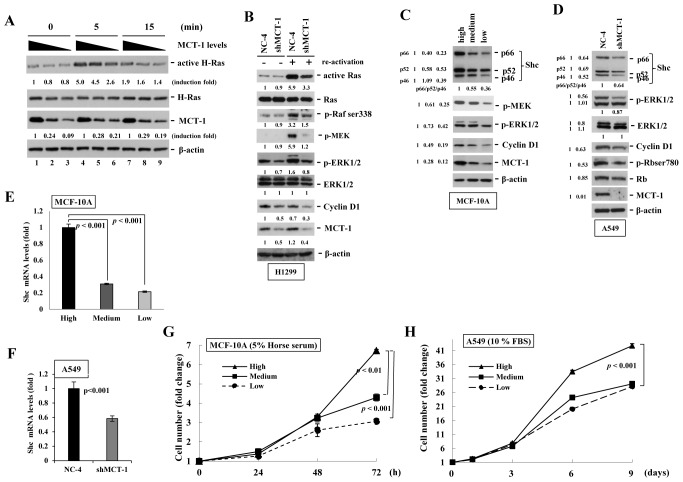
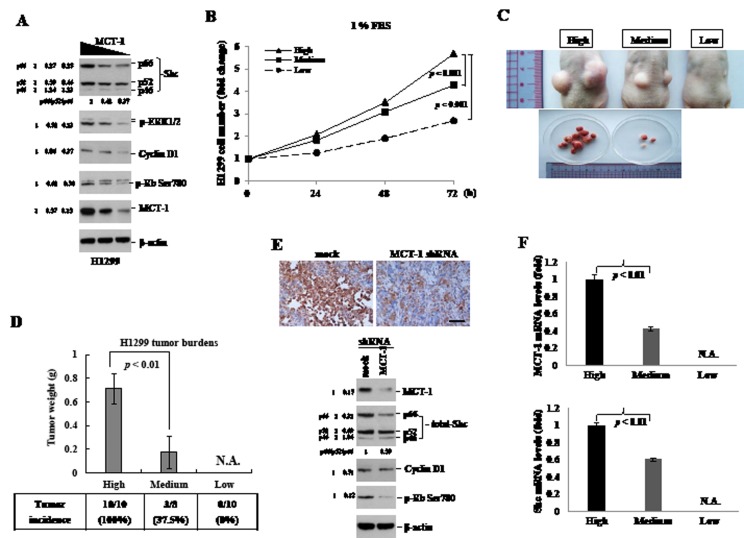
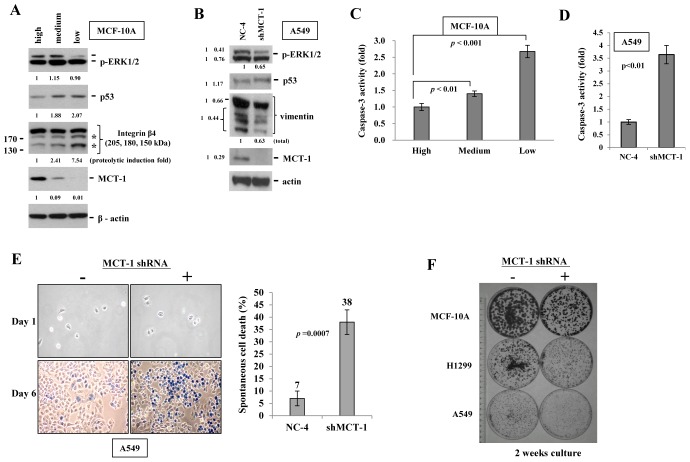
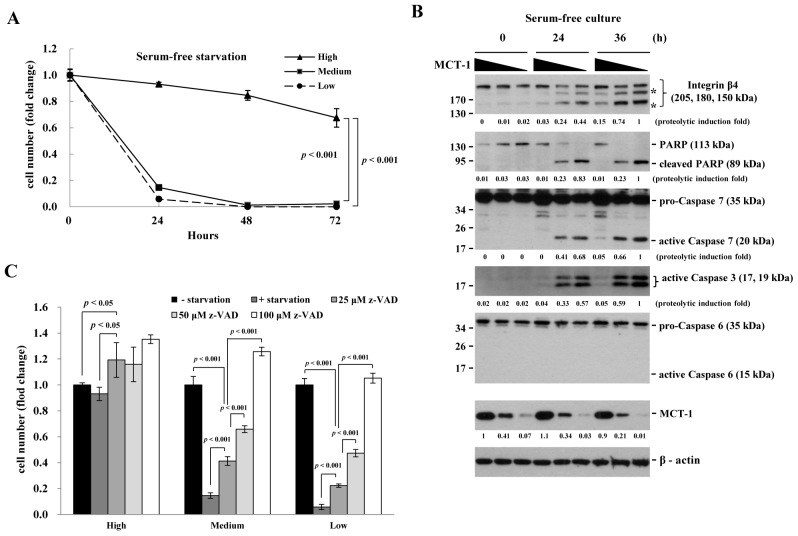
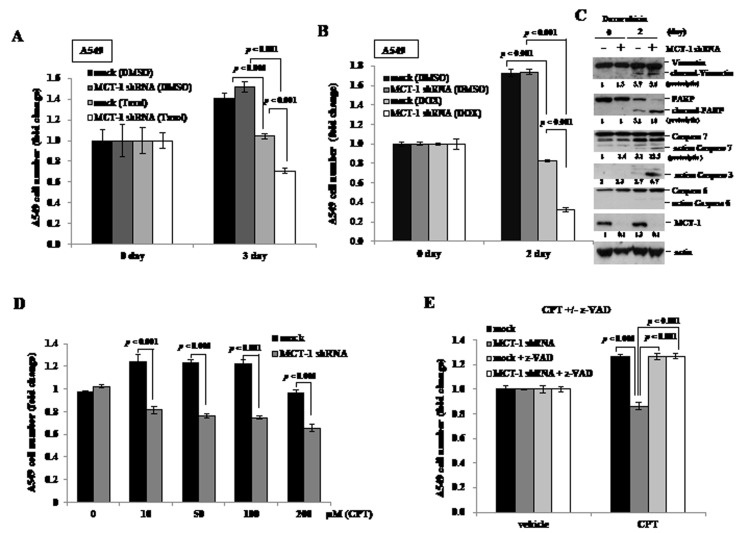
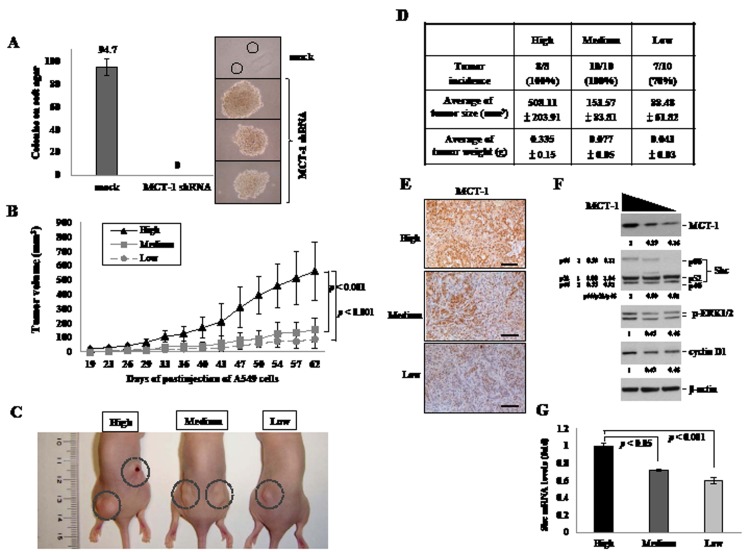
Overexpression of Shc adaptor proteins is associated with mitogenesis, carcinogenesis and metastasis. Multiple copies in T-cell malignancy 1 (MCT-1) oncoprotein promotes cell proliferation, survival and tumorigenic effects. Our current data show that MCT-1 is a novel regulator of Shc-Ras-MEK-ERK signaling and MCT-1 is significantly co-activated with Shc gene in human carcinomas. The knockdown of MCT-1 enhances apoptotic cell death accompanied with the activation of caspases and cleavage of caspase substrates under environmental stress. The cancer cell proliferation, chemo-resistance and tumorigenic capacity are proved to be effectively suppressed by targeting MCT-1. Accordingly, an important linkage between MCT-1 oncogenicity and Shc pathway in tumor development has now been established. Promoting MCT-1 expression by gene hyperactivation may be recognized as a tumor marker and MCT-1 may serve as a molecular target of cancer therapy.
Shc衔接蛋白的过表达与有丝分裂、致癌作用和转移相关。T细胞恶性肿瘤1(MCT-1)癌蛋白的多个拷贝促进细胞增殖、存活和致瘤效应。我们目前的数据表明,MCT-1是Shc-Ras-MEK-ERK信号传导的新型调节因子,并且在人类癌症中MCT-1与Shc基因显著共激活。在环境应激下,MCT-1的敲低增强了凋亡细胞死亡,同时伴有半胱天冬酶的激活和半胱天冬酶底物的切割。通过靶向MCT-1,癌细胞的增殖、化疗抗性和致瘤能力被证明得到有效抑制。因此,现已确立MCT-1致癌性与肿瘤发展中Shc途径之间的重要联系。通过基因超激活促进MCT-1表达可能被视为一种肿瘤标志物,并且MCT-1可能作为癌症治疗的分子靶点。