Malham Gregory M, Ellis Ngaire J, Parker Rhiannon M, Seex Kevin A
Neuroscience Institute, Epworth Hospital, Bridge Road, Melbourne, VIC 3121, Australia.
ScientificWorldJournal. 2012;2012:246989. doi: 10.1100/2012/246989. Epub 2012 Nov 1.
The lateral transpsoas approach for lumbar interbody fusion (XLIF) is gaining popularity. Studies examining a surgeon's early experience are rare. We aim to report treatment, complication, clinical, and radiographic outcomes in an early series of patients.
Prospective data from the first thirty patients treated with XLIF by a single surgeon was reviewed. Outcome measures included pain, disability, and quality of life assessment. Radiographic assessment of fusion was performed by computed tomography.
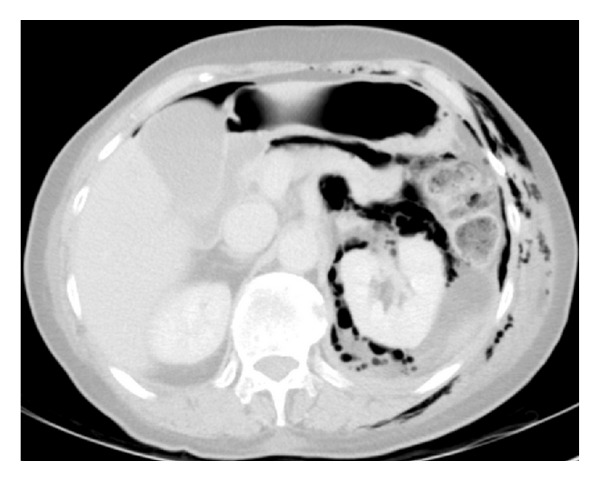
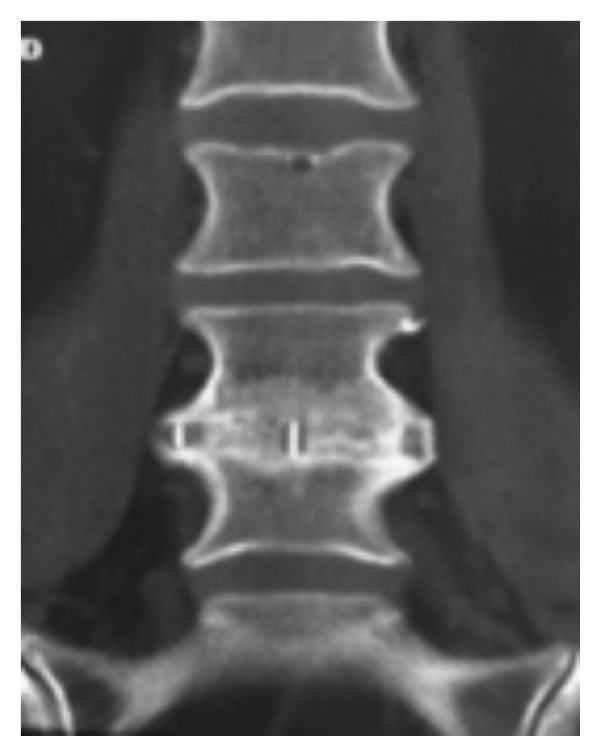
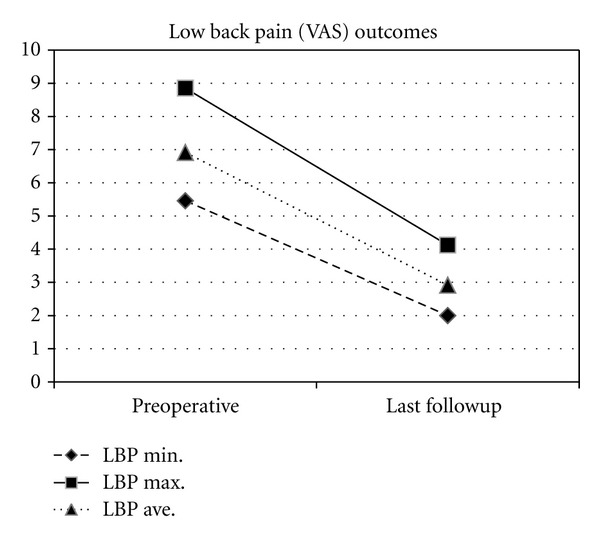
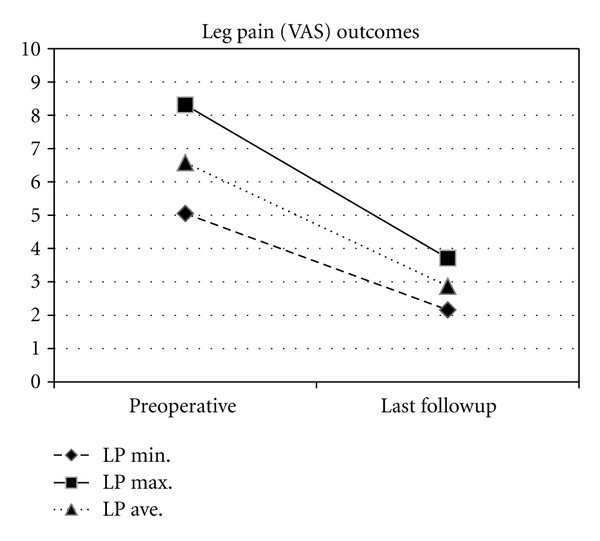
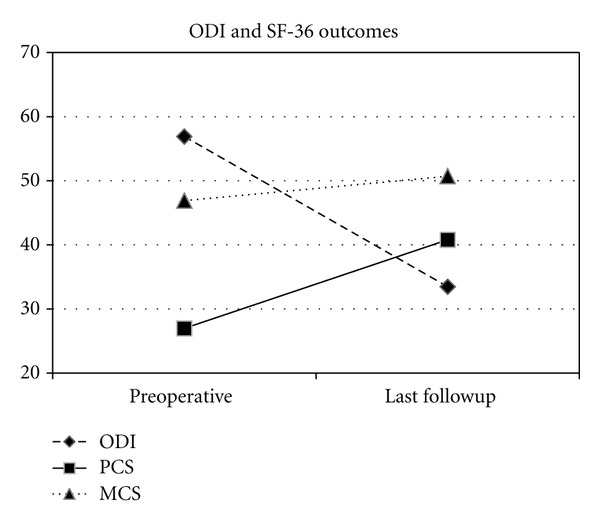
Average follow-up was 11.5 months, operative time was 60 minutes per level and blood loss was 50 mL. Complications were observed: clinical subsidence, cage breakage upon insertion, new postoperative motor deficit and bowel injury. Approach side-effects were radiographic subsidence and anterior thigh sensory changes. Two patients required reoperation; microforaminotomy and pedicle screw fixation respectively. VAS back and leg pain decreased 63% and 56%, respectively. ODI improved 41.2% with 51.3% and 8.1% improvements in PCS and MCS. Complete fusion (last follow-up) was observed in 85%.
The XLIF approach provides superior treatment, clinical outcomes and fusion rates compared to conventional surgical approaches with lowered complication rates. Mentor supervision for early cases and strict adherence to the surgical technique including neuromonitoring is essential.
腰椎椎间融合术的外侧经腰大肌入路(XLIF)正越来越受欢迎。关于外科医生早期经验的研究很少。我们旨在报告早期一系列患者的治疗、并发症、临床和影像学结果。
回顾了由一位外科医生采用XLIF治疗的首批30例患者的前瞻性数据。结果指标包括疼痛、功能障碍和生活质量评估。通过计算机断层扫描对融合情况进行影像学评估。
平均随访11.5个月,每个节段手术时间为60分钟,失血量为50毫升。观察到并发症:临床下沉、植入时椎间融合器断裂、术后新出现的运动功能障碍和肠损伤。手术入路的副作用为影像学下沉和大腿前侧感觉改变。两名患者需要再次手术,分别进行了显微椎间孔切开术和椎弓根螺钉固定术。视觉模拟评分法(VAS)背痛和腿痛分别下降了63%和56%。功能障碍指数(ODI)改善了41.2%,生理健康状况(PCS)和心理健康状况(MCS)分别改善了51.3%和8.1%。85%的患者在最后一次随访时实现了完全融合。
与传统手术方法相比,XLIF入路提供了更好的治疗效果、临床结果和融合率,并发症发生率更低。早期病例需导师监督,并严格遵守包括神经监测在内的手术技术至关重要。