Rende Francesca, Cavallari Ilaria, Romanelli Maria Grazia, Diani Erica, Bertazzoni Umberto, Ciminale Vincenzo
Department of Oncology and Surgical Sciences, The University of Padova, 35128 Padova, Italy.
Leuk Res Treatment. 2012;2012:876153. doi: 10.1155/2012/876153. Epub 2011 Dec 29.
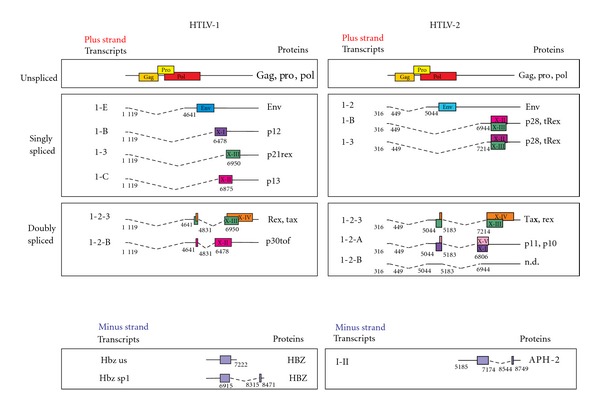
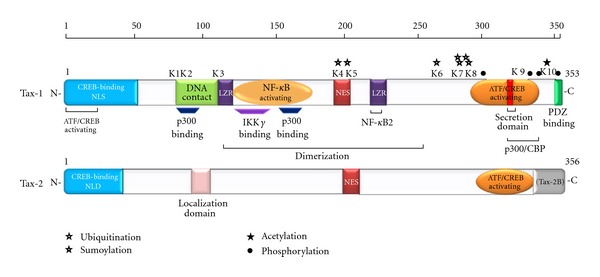
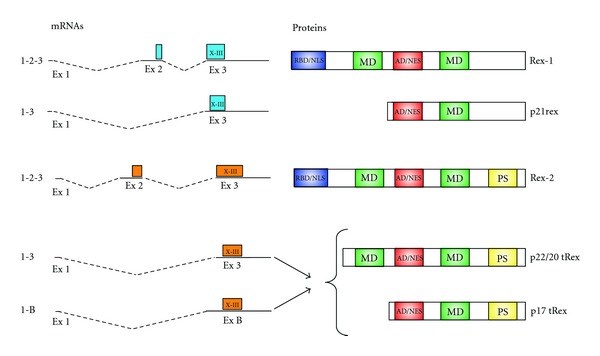
Human T cell leukemia virus types 1 and 2 (HTLV-1 and HTLV-2) are genetically related complex retroviruses that are capable of immortalizing human T-cells in vitro and establish life-long persistent infections in vivo. In spite of these apparent similarities, HTLV-1 and HTLV-2 exhibit a significantly different pathogenic potential. HTLV-1 is recognized as the causative agent of adult T-cell leukemia/lymphoma (ATLL) and tropical spastic paraparesis/HTLV-1-associated myelopathy (TSP/HAM). In contrast, HTLV-2 has not been causally linked to human malignancy, although it may increase the risk of developing inflammatory neuropathies and infectious diseases. The present paper is focused on the studies aimed at defining the viral genetic determinants of the pathobiology of HTLV-1 and HTLV-2 through a comparison of the expression strategies and functional properties of the different gene products of the two viruses.
人类T细胞白血病病毒1型和2型(HTLV-1和HTLV-2)是具有遗传相关性的复杂逆转录病毒,它们能够在体外使人类T细胞永生化,并在体内建立终身持续性感染。尽管有这些明显的相似之处,但HTLV-1和HTLV-2表现出显著不同的致病潜力。HTLV-1被认为是成人T细胞白血病/淋巴瘤(ATLL)和热带痉挛性截瘫/HTLV-1相关脊髓病(TSP/HAM)的病原体。相比之下,HTLV-2尚未与人类恶性肿瘤有因果关系,尽管它可能会增加发生炎性神经病和传染病的风险。本文重点关注旨在通过比较两种病毒不同基因产物的表达策略和功能特性来确定HTLV-1和HTLV-2病理生物学的病毒遗传决定因素的研究。