Proctor Ashley, Bianchi Matt T
Sleep Division, Neurology Department, Massachusetts General Hospital, Wang 720, Boston, MA 02114, USA.
ISRN Pharmacol. 2012;2012:914168. doi: 10.5402/2012/914168. Epub 2012 Nov 14.
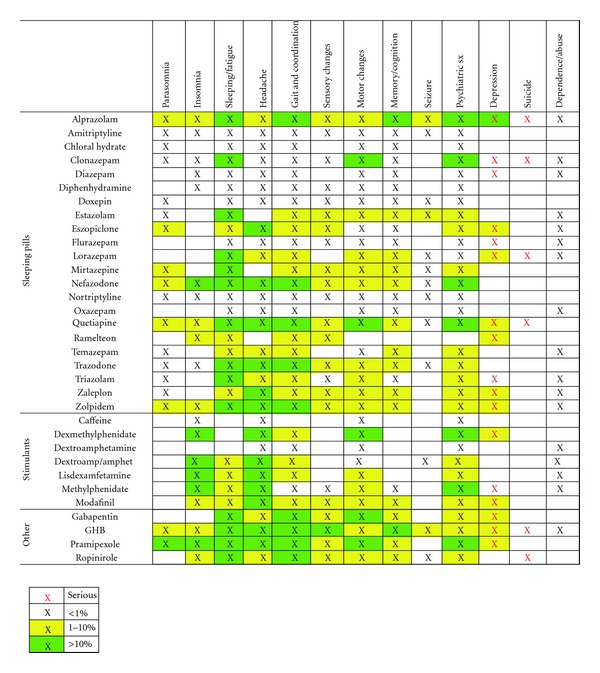
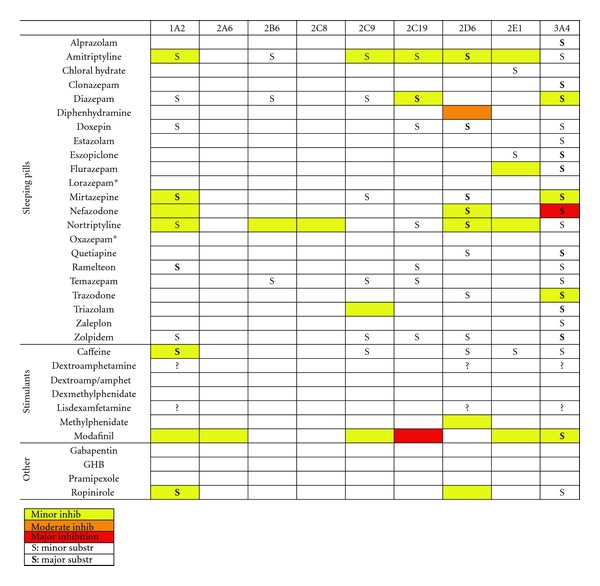
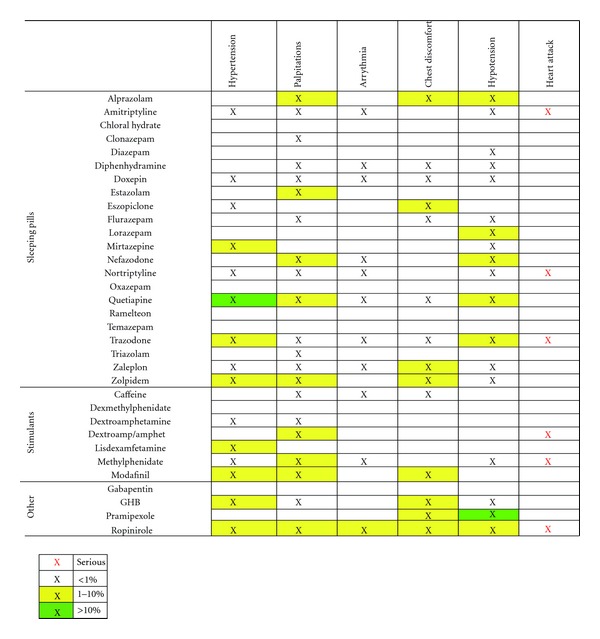
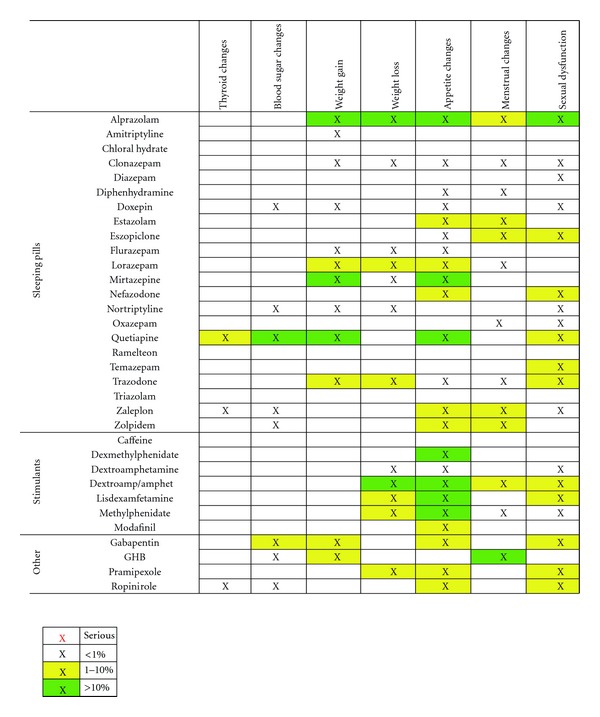
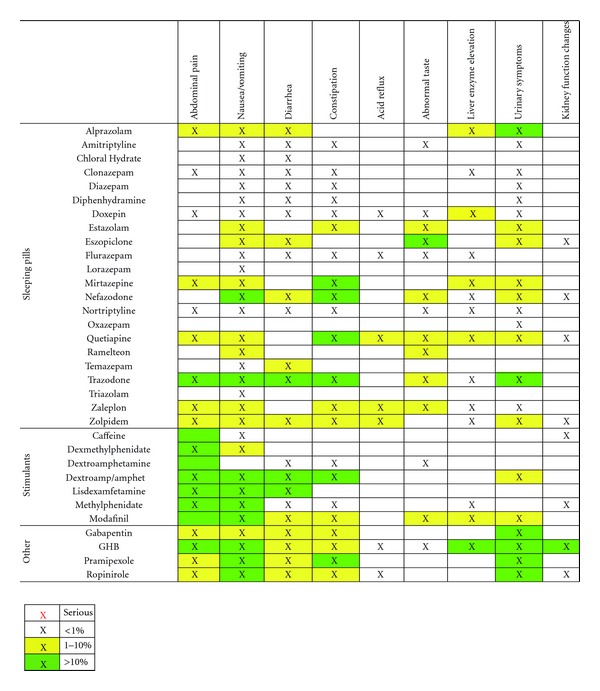
The basic treatment goals of pharmacological therapies in sleep medicine are to improve waking function by either improving sleep or by increasing energy during wakefulness. Stimulants to improve waking function include amphetamine derivatives, modafinil, and caffeine. Sleep aids encompass several classes, from benzodiazepine hypnotics to over-the-counter antihistamines. Other medications used in sleep medicine include those initially used in other disorders, such as epilepsy, Parkinson's disease, and psychiatric disorders. As these medications are prescribed or encountered by providers in diverse fields of medicine, it is important to recognize the distribution of adverse effects, drug interaction profiles, metabolism, and cytochrome substrate activity. In this paper, we review the pharmacological armamentarium in the field of sleep medicine to provide a framework for risk-benefit considerations in clinical practice.
睡眠医学中药理学疗法的基本治疗目标是通过改善睡眠或增加清醒时的能量来提高清醒功能。用于改善清醒功能的兴奋剂包括苯丙胺衍生物、莫达非尼和咖啡因。助眠药物涵盖多个类别,从苯二氮䓬类催眠药到非处方抗组胺药。睡眠医学中使用的其他药物包括最初用于其他疾病的药物,如癫痫、帕金森病和精神疾病。由于这些药物由不同医学领域的医疗服务提供者开具处方或遇到,因此认识到不良反应的分布、药物相互作用情况、代谢以及细胞色素底物活性很重要。在本文中,我们综述了睡眠医学领域的药理学药物库,以提供临床实践中风险效益考量的框架。