Department of Internal Medicine, Division of Pulmonary, Allergy, Critical Care and Sleep Medicine, The Ohio State University, Columbus, OH, USA.
PLoS One. 2012;7(11):e50837. doi: 10.1371/journal.pone.0050837. Epub 2012 Nov 30.
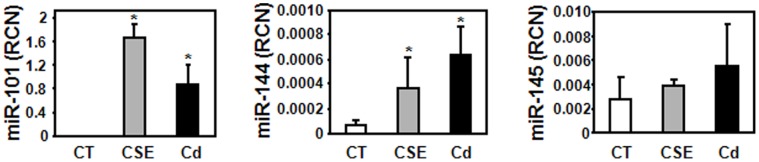
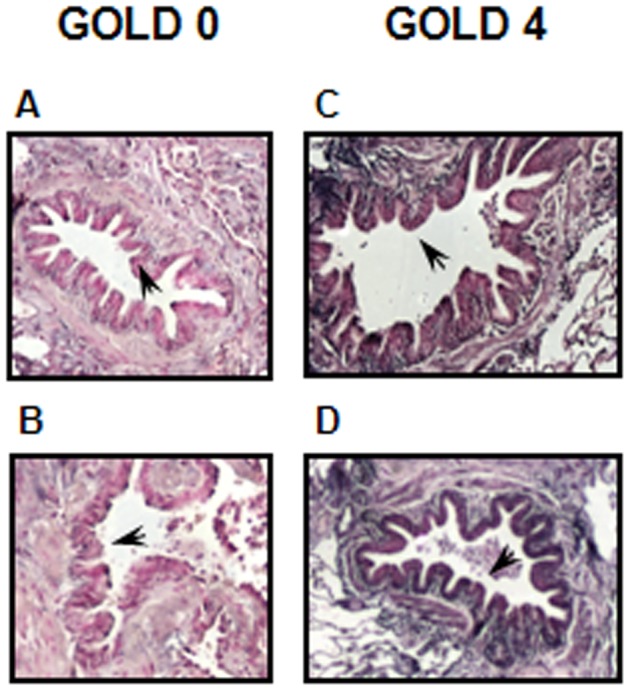
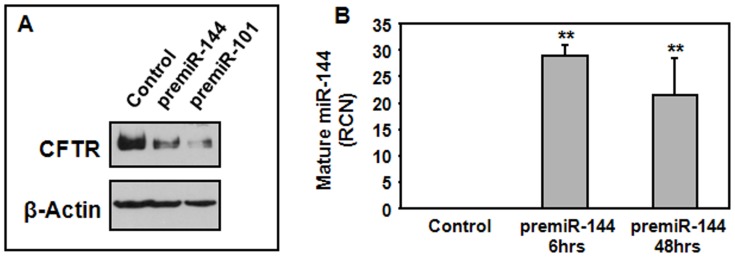
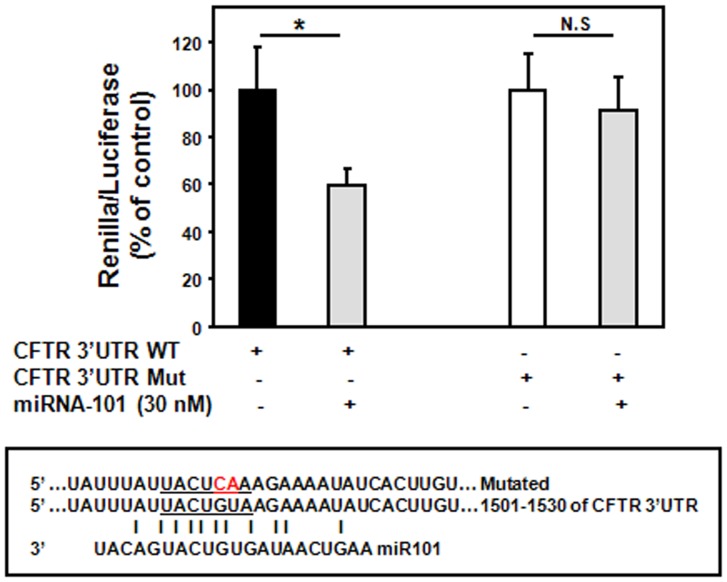
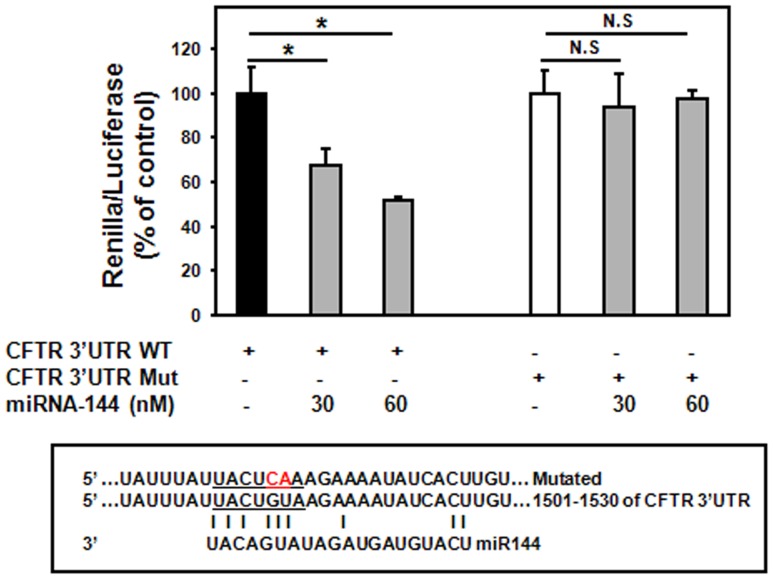
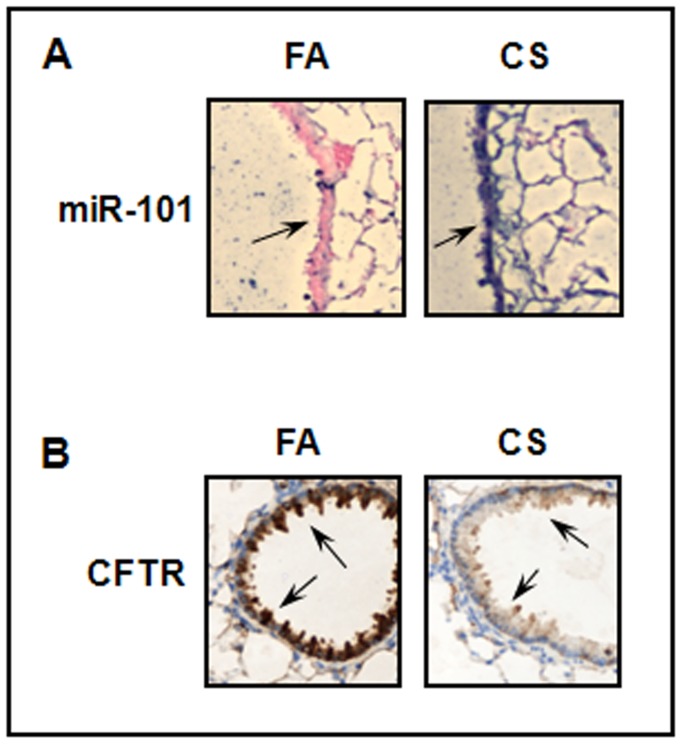
The Cystic Fibrosis Transmembrane conductance Regulator (CFTR) is a chloride channel that plays a critical role in the lung by maintaining fluid homeostasis. Absence or malfunction of CFTR leads to Cystic Fibrosis, a disease characterized by chronic infection and inflammation. We recently reported that air pollutants such as cigarette smoke and cadmium negatively regulate the expression of CFTR by affecting several steps in the biogenesis of CFTR protein. MicroRNAs (miRNAs) have recently received a great deal of attention as both biomarkers and therapeutics due to their ability to regulate multiple genes. Here, we show that cigarette smoke and cadmium up-regulate the expression of two miRNAs (miR-101 and miR-144) that are predicted to target CFTR in human bronchial epithelial cells. When premature miR-101 and miR-144 were transfected in human airway epithelial cells, they directly targeted the CFTR 3'UTR and suppressed the expression of the CFTR protein. Since miR-101 was highly up-regulated by cigarette smoke in vitro, we investigated whether such increase also occurred in vivo. Mice exposed to cigarette smoke for 4 weeks demonstrated an up-regulation of miR-101 and suppression of CFTR protein in their lungs. Finally, we show that miR-101 is highly expressed in lung samples from patients with severe chronic obstructive pulmonary disease (COPD) when compared to control patients. Taken together, these results suggest that chronic cigarette smoking up-regulates miR-101 and that this miRNA could contribute to suppression of CFTR in the lungs of COPD patients.
囊性纤维化跨膜电导调节因子(CFTR)是一种氯离子通道,在维持肺部液体平衡方面起着至关重要的作用。CFTR 的缺失或功能障碍会导致囊性纤维化,这是一种以慢性感染和炎症为特征的疾病。我们最近报道,空气污染物如香烟烟雾和镉通过影响 CFTR 蛋白生物发生的几个步骤,负调控 CFTR 的表达。由于 microRNAs(miRNAs)能够调节多个基因,因此它们最近作为生物标志物和治疗剂受到了极大的关注。在这里,我们表明香烟烟雾和镉上调了两种 miRNA(miR-101 和 miR-144)的表达,这两种 miRNA 被预测在人支气管上皮细胞中靶向 CFTR。当过早的 miR-101 和 miR-144 在人气道上皮细胞中转染时,它们直接靶向 CFTR 3'UTR 并抑制 CFTR 蛋白的表达。由于 miR-101 在体外被香烟烟雾高度上调,我们研究了这种增加是否也发生在体内。暴露于香烟烟雾 4 周的小鼠在其肺部中表现出 miR-101 的上调和 CFTR 蛋白的抑制。最后,我们表明与对照患者相比,严重慢性阻塞性肺疾病(COPD)患者的肺组织中 miR-101 的表达水平更高。综上所述,这些结果表明,慢性吸烟会上调 miR-101,而这种 miRNA 可能有助于 COPD 患者肺部 CFTR 的抑制。