Kleinknecht Karl R, Bedenk Benedikt T, Kaltwasser Sebastian F, Grünecker Barbara, Yen Yi-Chun, Czisch Michael, Wotjak Carsten T
Max Planck Institute of Psychiatry Munich, Germany.
Front Behav Neurosci. 2012 Dec 27;6:87. doi: 10.3389/fnbeh.2012.00087. eCollection 2012.
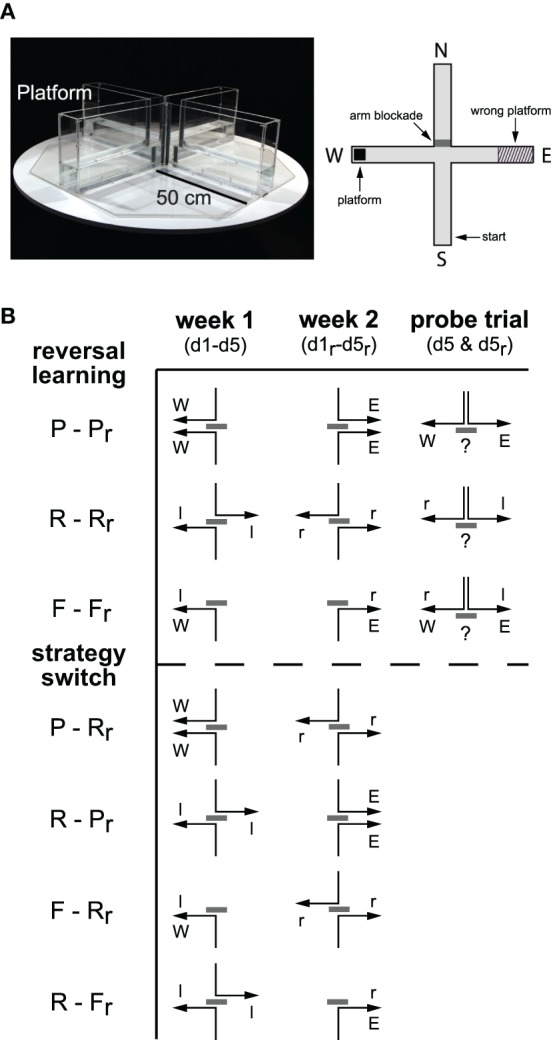
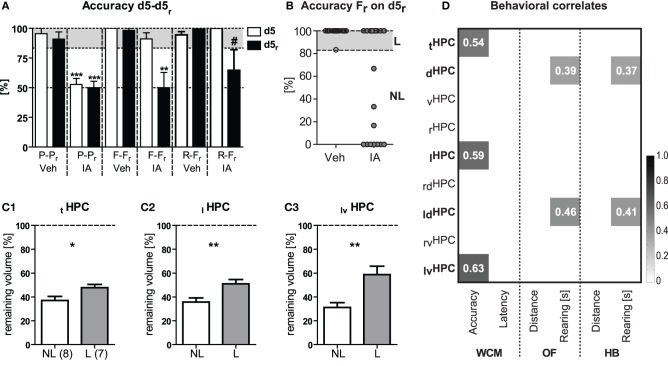
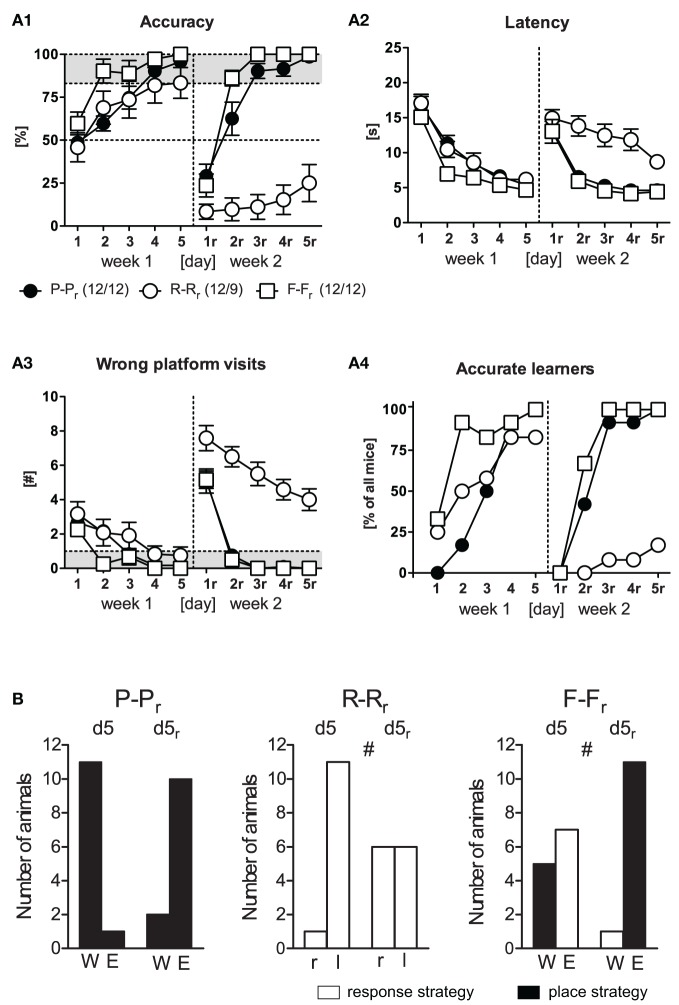
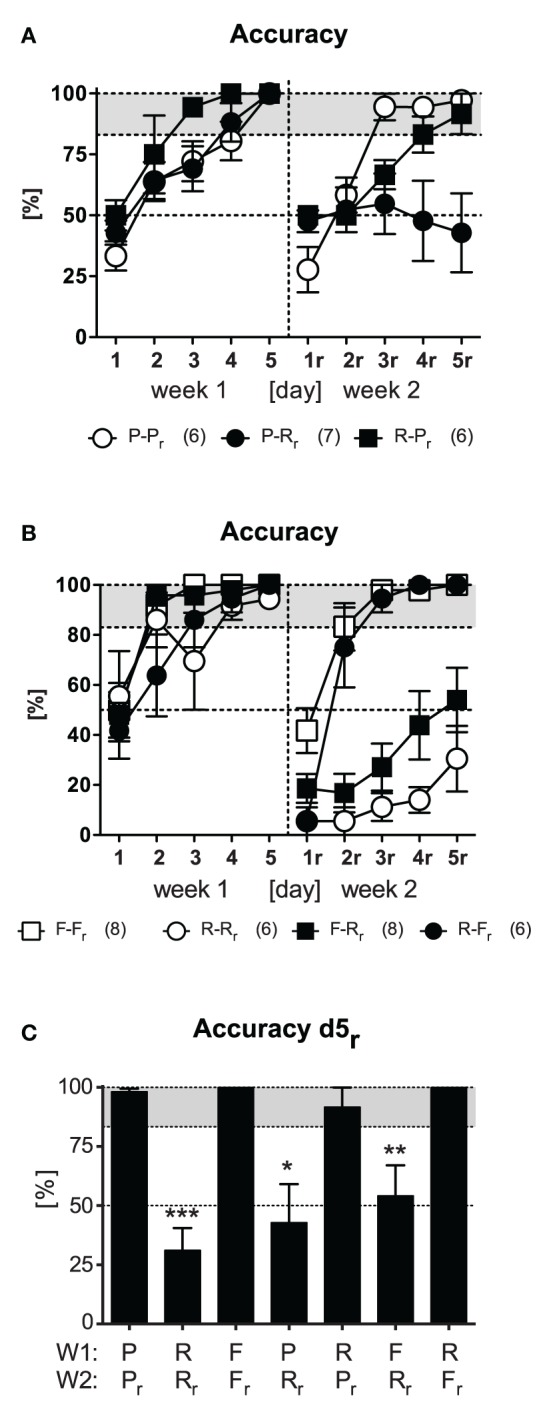
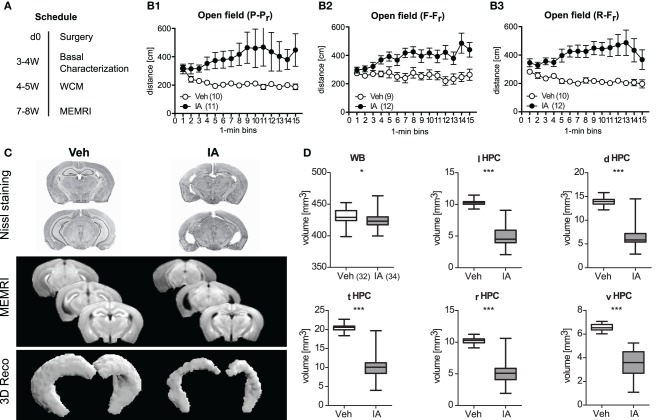
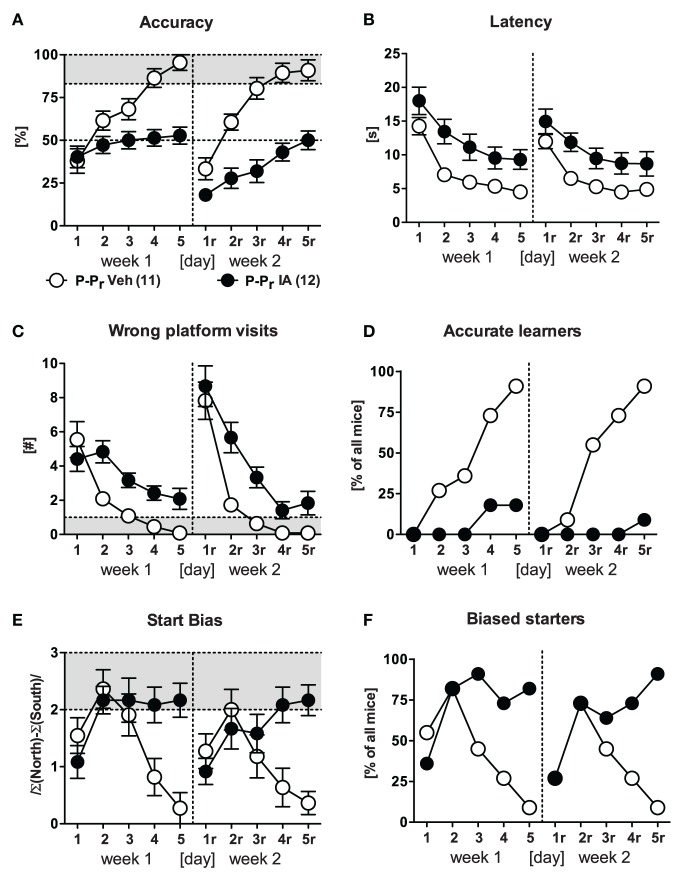
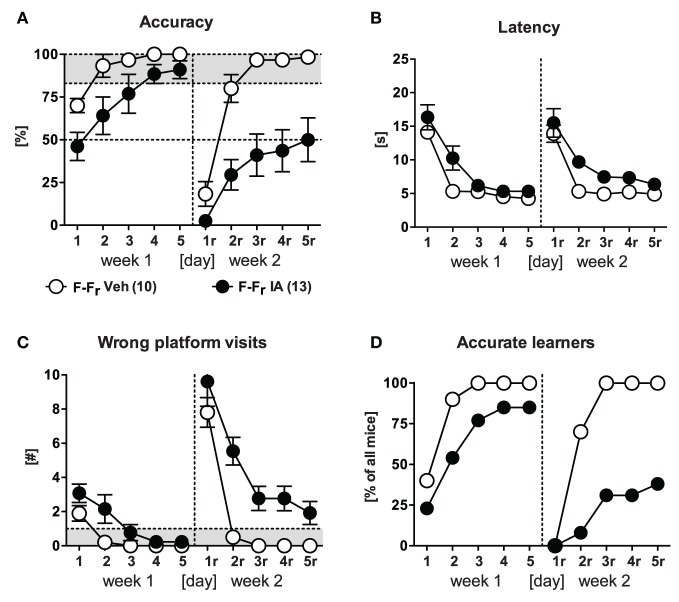
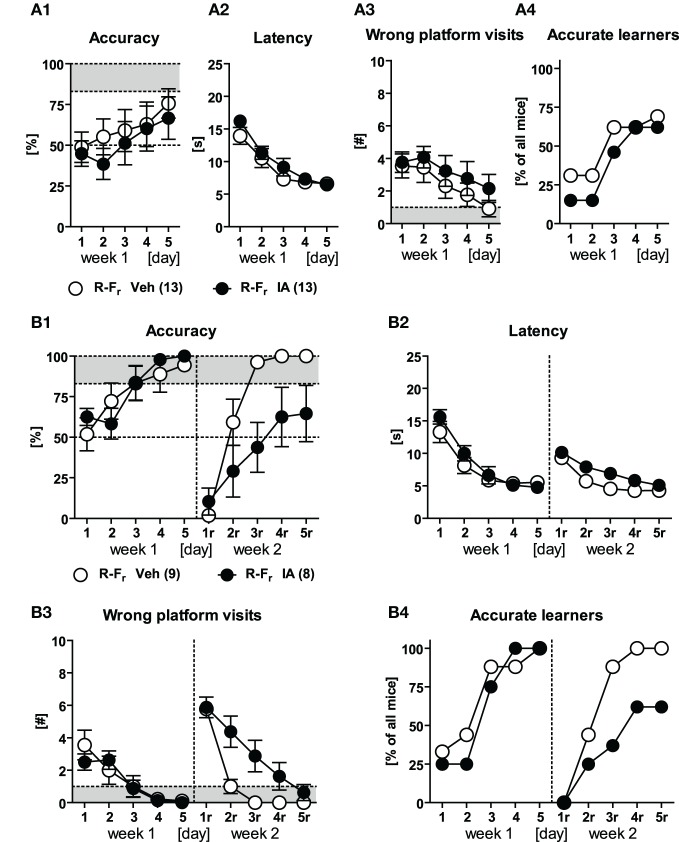
Spatial navigation is a fundamental capability necessary in everyday life to locate food, social partners, and shelter. It results from two very different strategies: (1) place learning which enables for flexible way finding and (2) response learning that leads to a more rigid "route following." Despite the importance of knockout techniques that are only available in mice, little is known about mice' flexibility in spatial navigation tasks. Here we demonstrate for C57BL6/N mice in a water-cross maze (WCM) that only place learning enables spatial flexibility and relearning of a platform position, whereas response learning does not. This capability depends on an intact hippocampal formation, since hippocampus lesions by ibotenic acid (IA) disrupted relearning. In vivo manganese-enhanced magnetic resonance imaging revealed a volume loss of ≥60% of the hippocampus as a critical threshold for relearning impairments. In particular the changes in the left ventral hippocampus were indicative of relearning deficits. In summary, our findings establish the importance of hippocampus-dependent place learning for spatial flexibility and provide a first systematic analysis on spatial flexibility in mice.
空间导航是日常生活中寻找食物、社交伙伴和住所所必需的一项基本能力。它源于两种截然不同的策略:(1)位置学习,它能实现灵活的路径寻找;(2)反应学习,它导致更刻板的“按路线行进”。尽管基因敲除技术仅在小鼠中可用且很重要,但对于小鼠在空间导航任务中的灵活性却知之甚少。在此,我们在水迷宫(WCM)中对C57BL6/N小鼠进行了实验,结果表明只有位置学习能够实现空间灵活性以及平台位置的重新学习,而反应学习则不能。这种能力依赖于完整的海马结构,因为注射鹅膏蕈氨酸(IA)造成的海马损伤会干扰重新学习。体内锰增强磁共振成像显示,海马体积损失≥60%是重新学习受损的关键阈值。特别是左侧腹侧海马的变化表明存在重新学习缺陷。总之,我们的研究结果确立了依赖海马的位置学习对空间灵活性的重要性,并首次对小鼠的空间灵活性进行了系统分析。