Laboratory of Biomolecular Science, Faculty of Pharmaceutical Sciences, Hokkaido University Sapporo, Japan.
Front Microbiol. 2012 Dec 31;3:429. doi: 10.3389/fmicb.2012.00429. eCollection 2012.
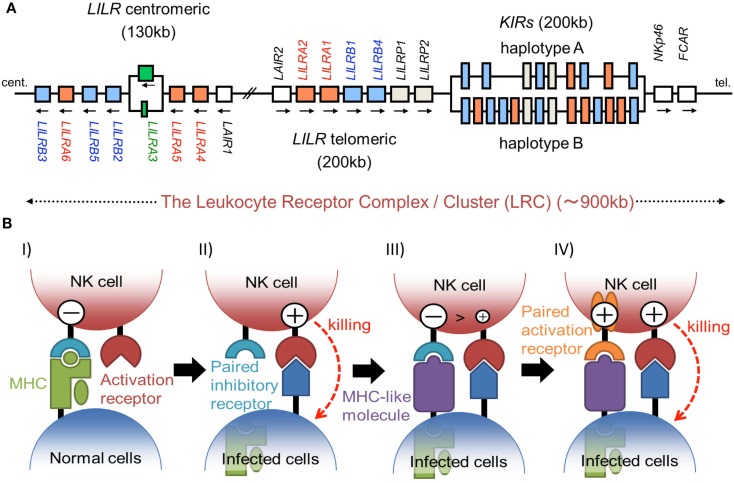
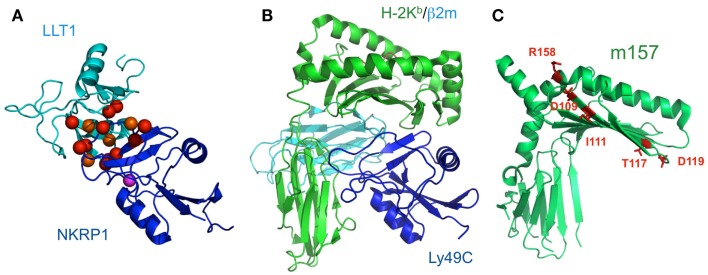
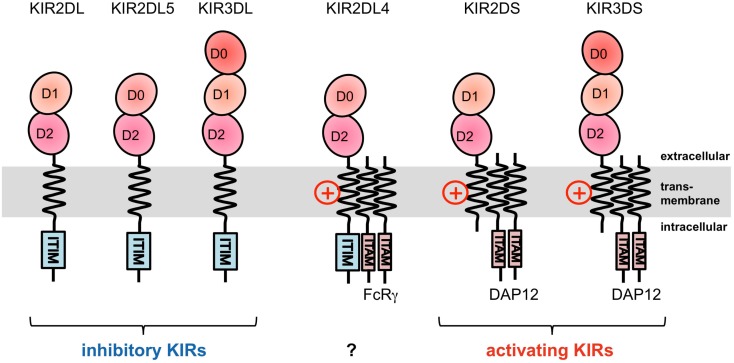
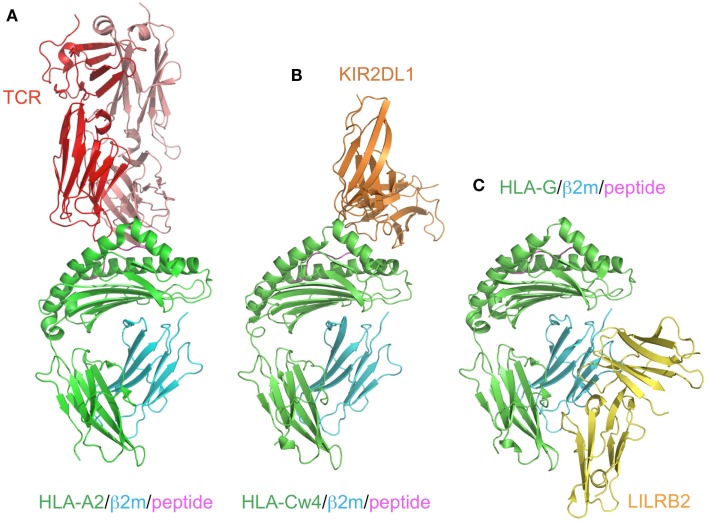
Cell surface receptors are responsible for regulating cellular function on the front line, the cell membrane. Interestingly, accumulating evidence clearly reveals that the members of cell surface receptor families have very similar extracellular ligand-binding regions but opposite signaling systems, either inhibitory or stimulatory. These receptors are designated as paired receptors. Paired receptors often recognize not only physiological ligands but also non-self ligands, such as viral and bacterial products, to fight infections. In this review, we introduce several representative examples of paired receptors, focusing on two major structural superfamilies, the immunoglobulin-like and the C-type lectin-like receptors, and explain how these receptors distinguish self and non-self ligands to maintain homeostasis in the immune system. We further discuss the evolutionary aspects of these receptors as well as the potential drug targets for regulating diseases.
细胞表面受体负责调节细胞膜上的细胞功能,处于前沿位置。有趣的是,越来越多的证据清楚地表明,细胞表面受体家族的成员具有非常相似的细胞外配体结合区域,但却具有相反的信号系统,无论是抑制性的还是刺激性的。这些受体被指定为配对受体。配对受体通常不仅识别生理配体,还识别非自身配体,如病毒和细菌产物,以抵抗感染。在这篇综述中,我们介绍了几个有代表性的配对受体的例子,重点介绍了两大主要结构超家族,免疫球蛋白样和 C 型凝集素样受体,并解释了这些受体如何区分自身和非自身配体,以维持免疫系统的内稳态。我们进一步讨论了这些受体的进化方面以及调节疾病的潜在药物靶点。