Max-Planck Institute for Biology of Ageing, Köln, Germany.
PLoS Genet. 2013;9(1):e1003178. doi: 10.1371/journal.pgen.1003178. Epub 2013 Jan 3.
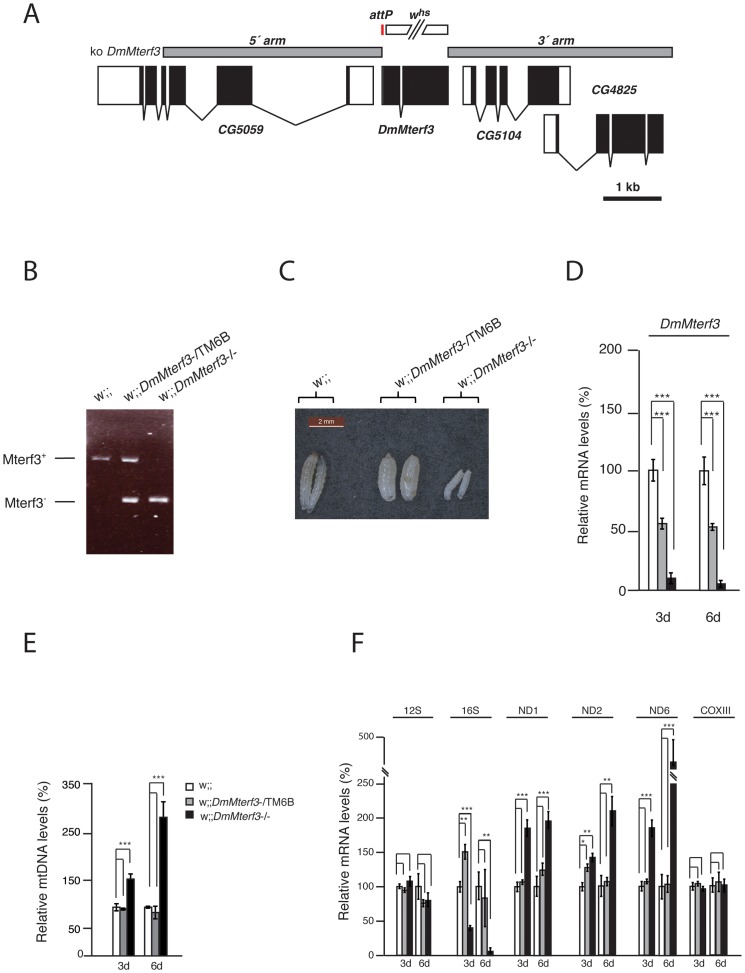
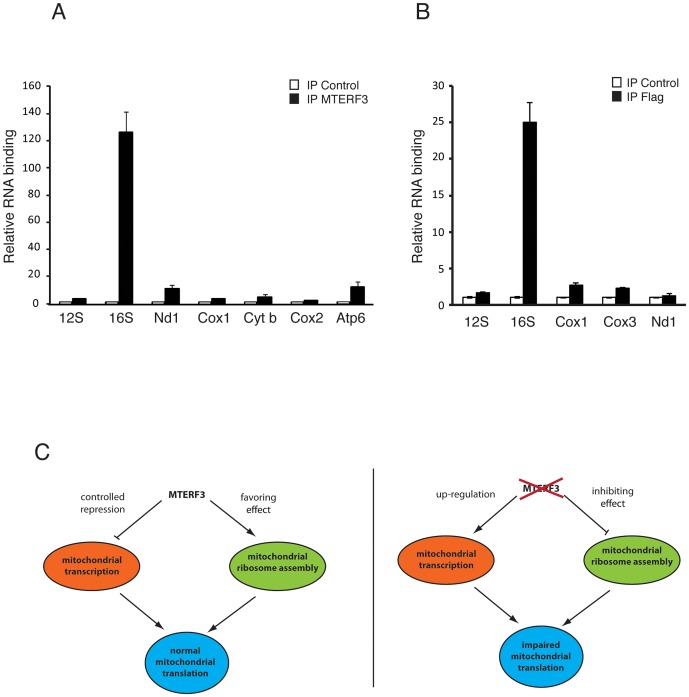
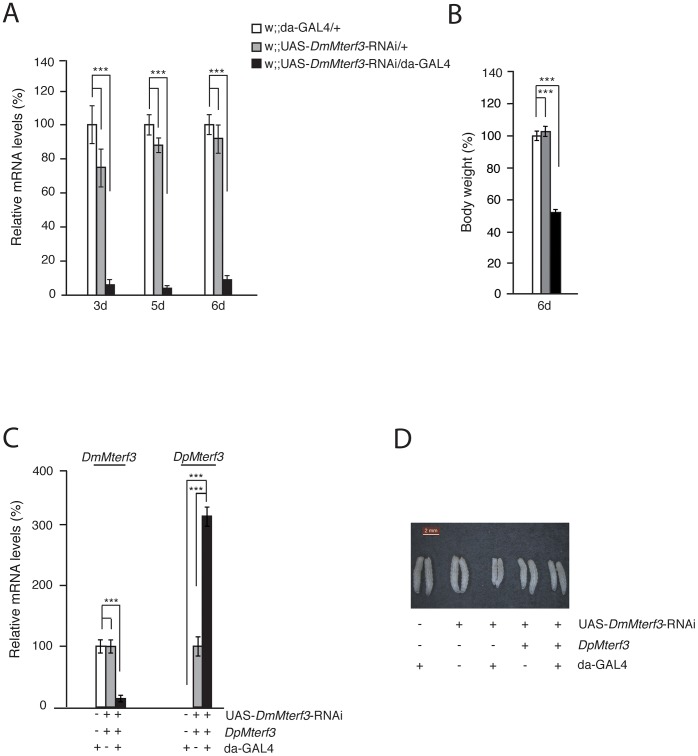
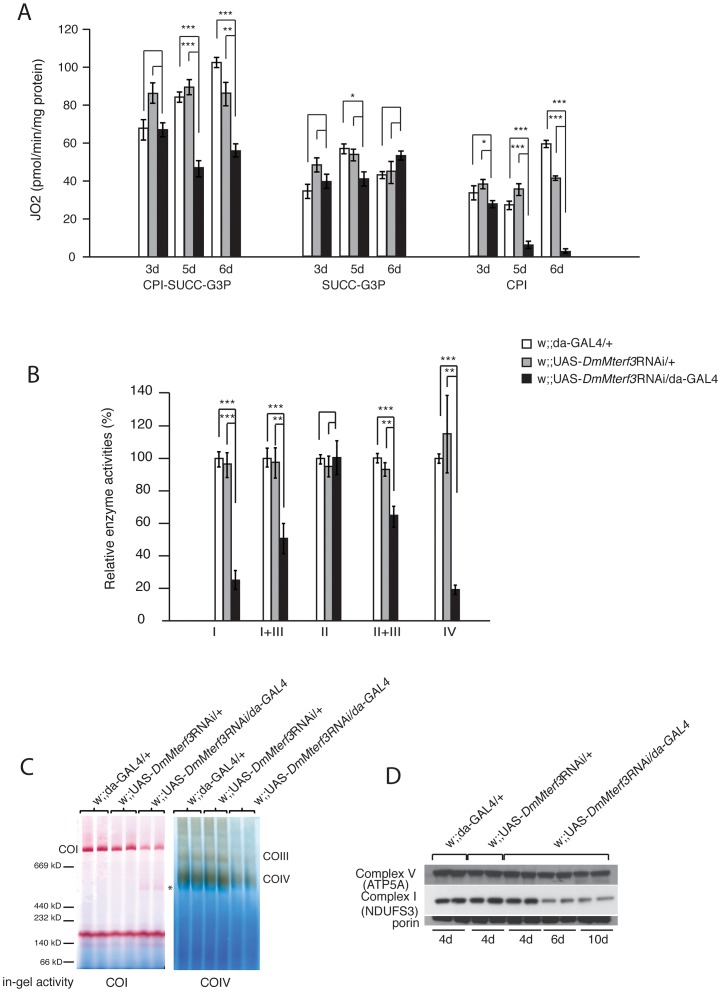
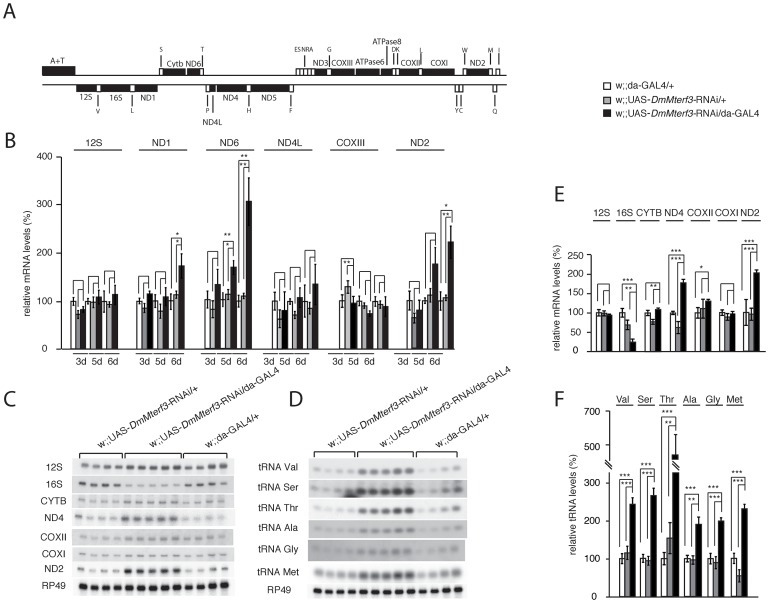
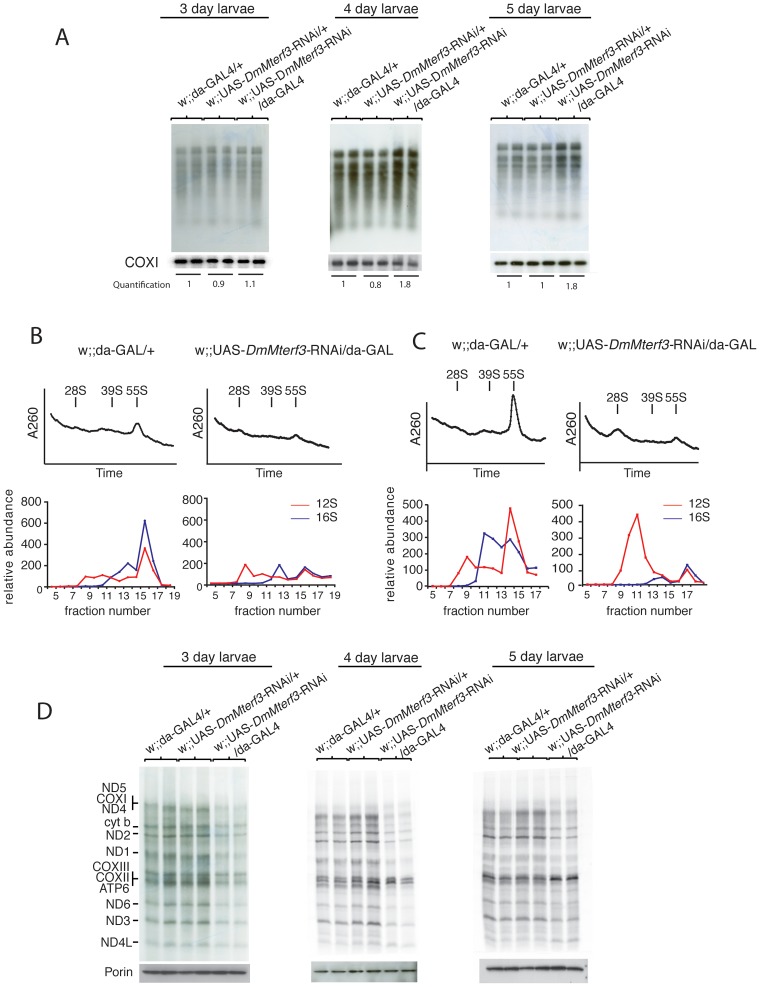
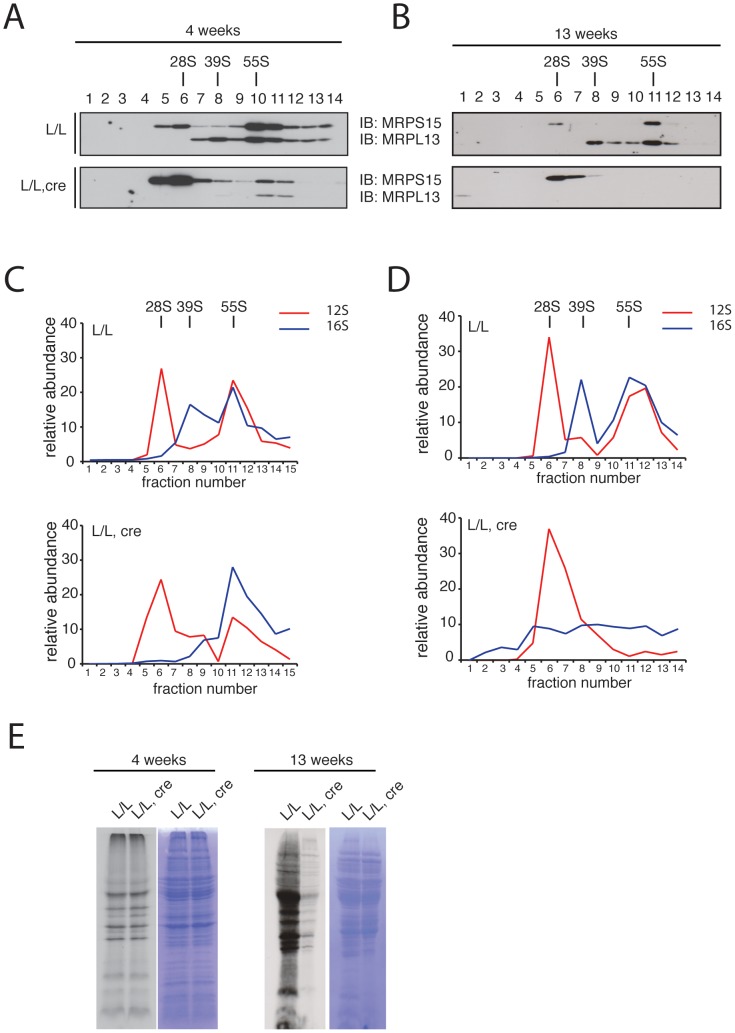
Regulation of mitochondrial DNA (mtDNA) expression is critical for the control of oxidative phosphorylation in response to physiological demand, and this regulation is often impaired in disease and aging. We have previously shown that mitochondrial transcription termination factor 3 (MTERF3) is a key regulator that represses mtDNA transcription in the mouse, but its molecular mode of action has remained elusive. Based on the hypothesis that key regulatory mechanisms for mtDNA expression are conserved in metazoans, we analyzed Mterf3 knockout and knockdown flies. We demonstrate here that decreased expression of MTERF3 not only leads to activation of mtDNA transcription, but also impairs assembly of the large mitochondrial ribosomal subunit. This novel function of MTERF3 in mitochondrial ribosomal biogenesis is conserved in the mouse, thus we identify a novel and unexpected role for MTERF3 in coordinating the crosstalk between transcription and translation for the regulation of mammalian mtDNA gene expression.
线粒体 DNA(mtDNA)表达的调控对于氧化磷酸化的控制至关重要,而这种调控在疾病和衰老中常常受到损害。我们之前已经表明,线粒体转录终止因子 3(MTERF3)是一种关键的调节因子,可在小鼠中抑制 mtDNA 的转录,但它的分子作用机制仍不清楚。基于关键的 mtDNA 表达调控机制在后生动物中是保守的假设,我们分析了 Mterf3 敲除和敲低的果蝇。我们在这里证明,MTERF3 表达的降低不仅导致 mtDNA 转录的激活,还损害了大型线粒体核糖体亚基的组装。这种 MTERF3 在线粒体核糖体生物发生中的新功能在小鼠中是保守的,因此我们确定了 MTERF3 在协调转录和翻译之间的串扰以调节哺乳动物 mtDNA 基因表达方面的一个新的、意想不到的作用。