Laboratorio de Investigaciones Microbiológicas de Lagunas Andinas (LIMLA), Planta Piloto de Procesos Industriales Microbiológicos (PROIMI), CCT, CONICET, San Miguel de Tucumán, Tucumán, Argentina.
PLoS One. 2013;8(1):e53497. doi: 10.1371/journal.pone.0053497. Epub 2013 Jan 7.
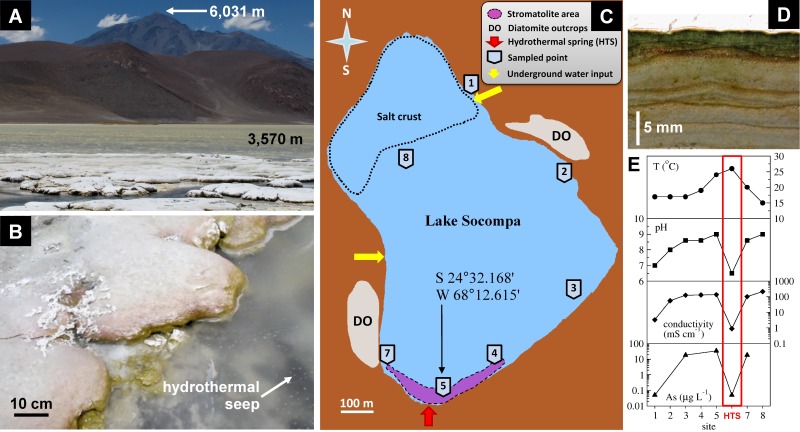
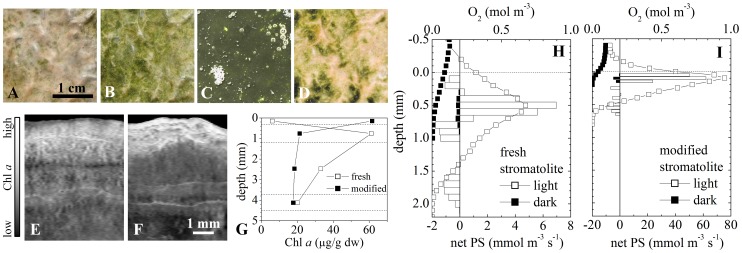
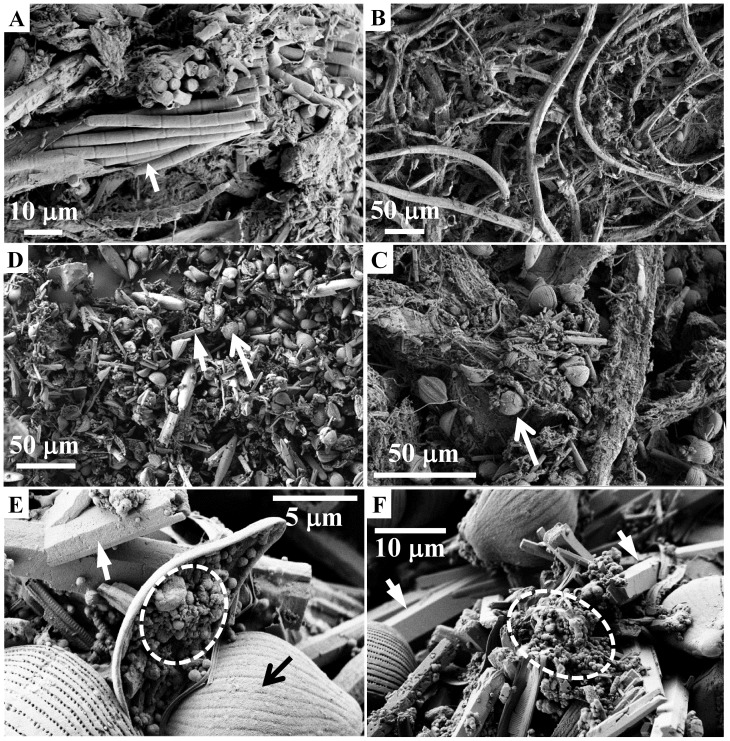
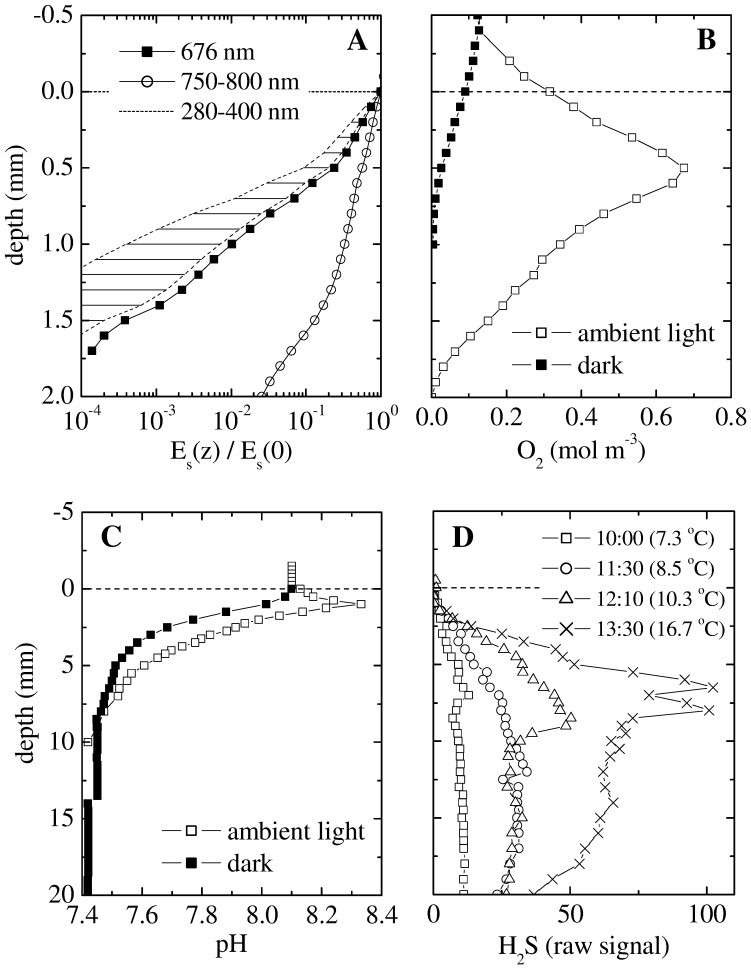
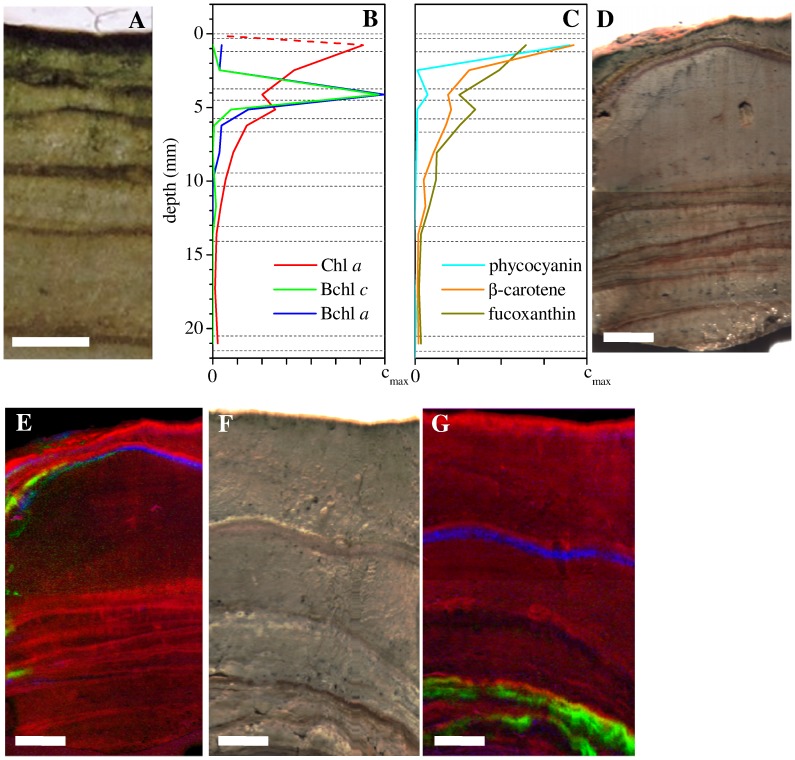
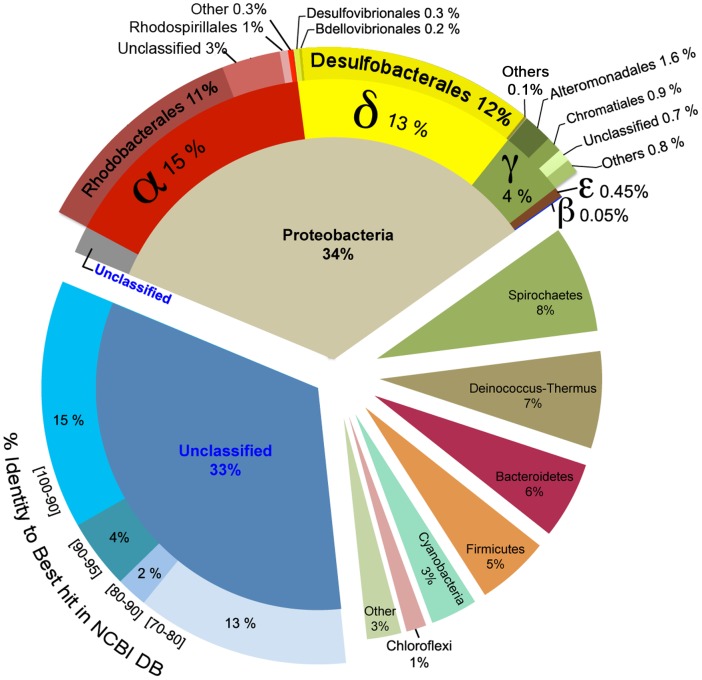
We describe stromatolites forming at an altitude of 3570 m at the shore of a volcanic lake Socompa, Argentinean Andes. The water at the site of stromatolites formation is alkaline, hypersaline, rich in inorganic nutrients, very rich in arsenic, and warm (20-24°C) due to a hydrothermal input. The stromatolites do not lithify, but form broad, rounded and low-domed bioherms dominated by diatom frustules and aragonite micro-crystals agglutinated by extracellular substances. In comparison to other modern stromatolites, they harbour an atypical microbial community characterized by highly abundant representatives of Deinococcus-Thermus, Rhodobacteraceae, Desulfobacterales and Spirochaetes. Additionally, a high proportion of the sequences that could not be classified at phylum level showed less than 80% identity to the best hit in the NCBI database, suggesting the presence of novel distant lineages. The primary production in the stromatolites is generally high and likely dominated by Microcoleus sp. Through negative phototaxis, the location of these cyanobacteria in the stromatolites is controlled by UV light, which greatly influences their photosynthetic activity. Diatoms, dominated by Amphora sp., are abundant in the anoxic, sulfidic and essentially dark parts of the stromatolites. Although their origin in the stromatolites is unclear, they are possibly an important source of anaerobically degraded organic matter that induces in situ aragonite precipitation. To the best of our knowledge, this is so far the highest altitude with documented actively forming stromatolites. Their generally rich, diverse and to a large extent novel microbial community likely harbours valuable genetic and proteomic reserves, and thus deserves active protection. Furthermore, since the stromatolites flourish in an environment characterized by a multitude of extremes, including high exposure to UV radiation, they can be an excellent model system for studying microbial adaptations under conditions that, at least in part, resemble those during the early phase of life evolution on Earth.
我们描述了在阿根廷安第斯山脉 Socompa 火山湖岸边海拔 3570 米处形成的叠层石。该地点形成叠层石的水呈碱性、高盐度、富含无机养分,富含砷且温暖(20-24°C),这是由于热液输入的原因。这些叠层石没有石化,而是形成宽阔、圆形和低穹顶的生物丘,主要由硅藻壳和方解微晶以及细胞外物质胶结的微晶体组成。与其他现代叠层石相比,它们拥有一个非典型的微生物群落,其特征是高度丰富的 Deinococcus-Thermus、Rhodobacteraceae、Desulfobacterales 和螺旋体代表。此外,无法在门水平分类的序列中,有很大比例的序列与 NCBI 数据库中的最佳匹配相似度低于 80%,这表明存在新的远缘谱系。叠层石中的初级生产力通常很高,可能主要由微鞘藻属(Microcoleus sp.)主导。通过负趋光性,这些蓝细菌在叠层石中的位置受紫外线的控制,这极大地影响了它们的光合作用活性。以 Amphora sp. 为主的硅藻在缺氧、硫化和基本黑暗的叠层石部分大量存在。尽管它们在叠层石中的起源尚不清楚,但它们可能是厌氧降解有机物的重要来源,从而诱导原位方解石沉淀。据我们所知,这是迄今为止有记录的活跃形成叠层石的最高海拔。它们通常丰富、多样,在很大程度上是新颖的微生物群落,可能蕴藏着有价值的遗传和蛋白质组储备,因此值得积极保护。此外,由于这些叠层石在多种极端环境中茁壮成长,包括高剂量的紫外线辐射,因此它们可以成为研究微生物适应条件的绝佳模型系统,这些条件至少部分类似于地球生命早期阶段的条件。