Departments of Pathology and Medicine, LSU Health Sciences Center-Shreveport, Shreveport, LA 71130, USA.
J Am Heart Assoc. 2012 Oct;1(5):e004093. doi: 10.1161/JAHA.112.004093. Epub 2012 Oct 25.
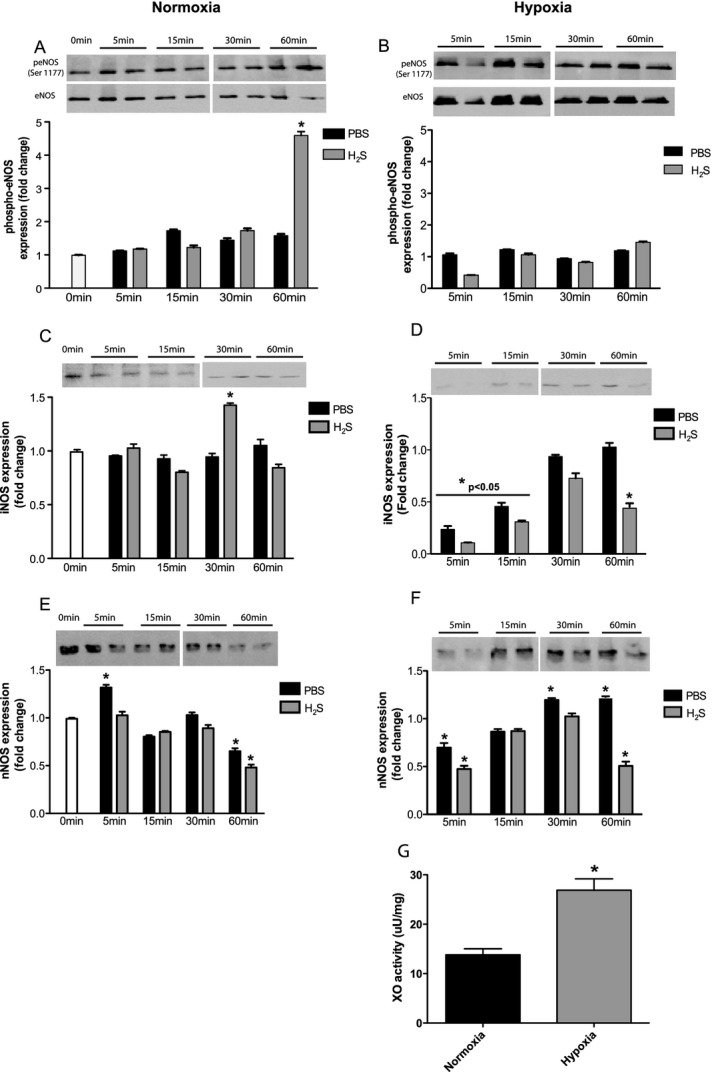
Hydrogen sulfide (H(2)S) therapy is recognized as a modulator of vascular function during tissue ischemia with the notion of potential interactions of nitric oxide (NO) metabolism. However, little is known about specific biochemical mechanisms or the importance of H(2)S activation of NO metabolism during ischemic tissue vascular remodeling. The goal of this study was to determine the effect of H(2)S on NO metabolism during chronic tissue ischemia and subsequent effects on ischemic vascular remodeling responses.
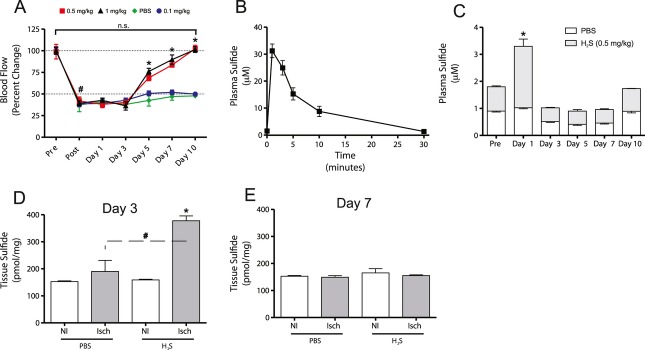
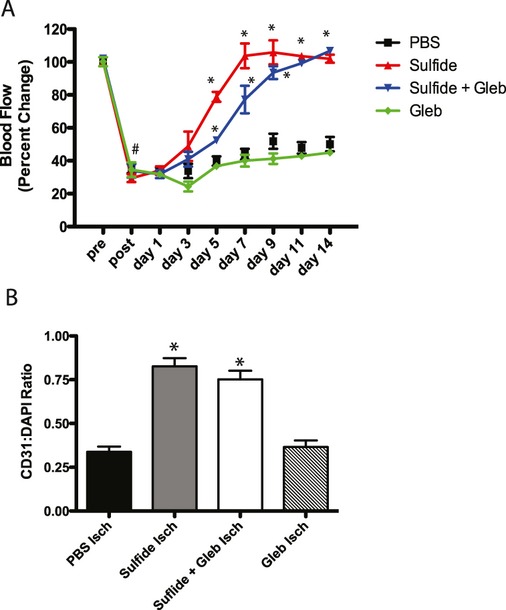
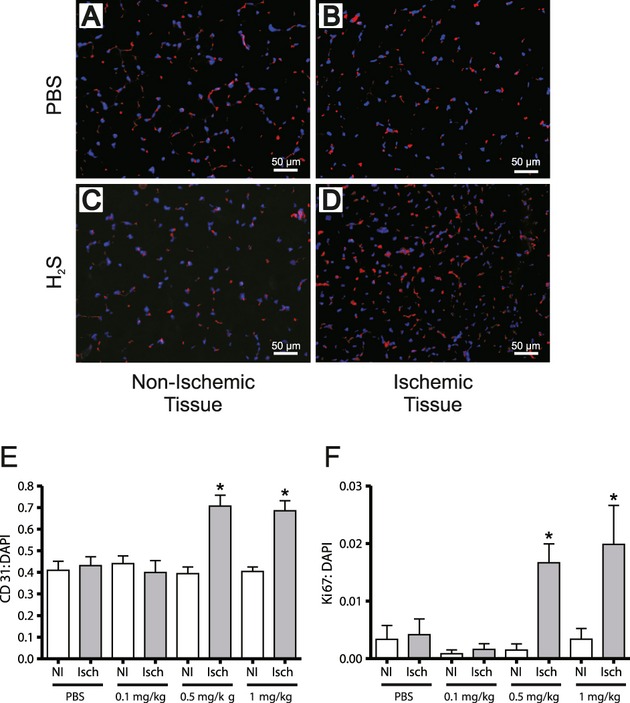
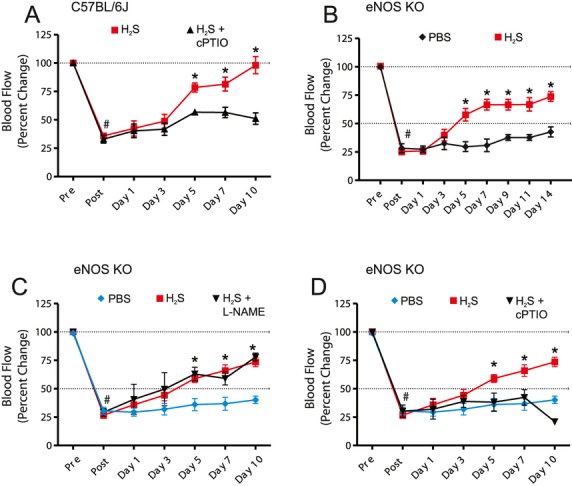
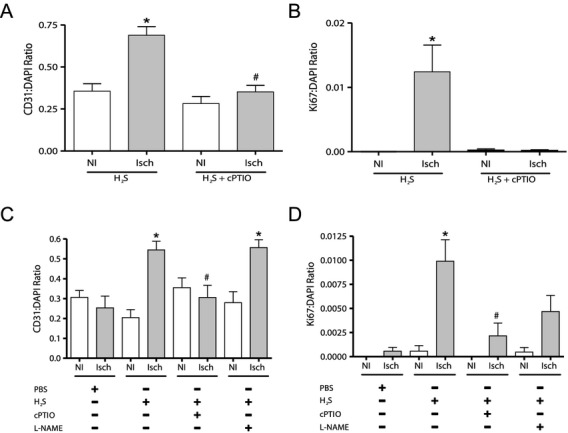
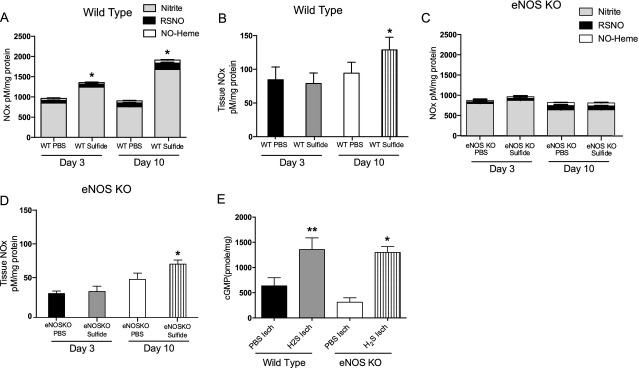
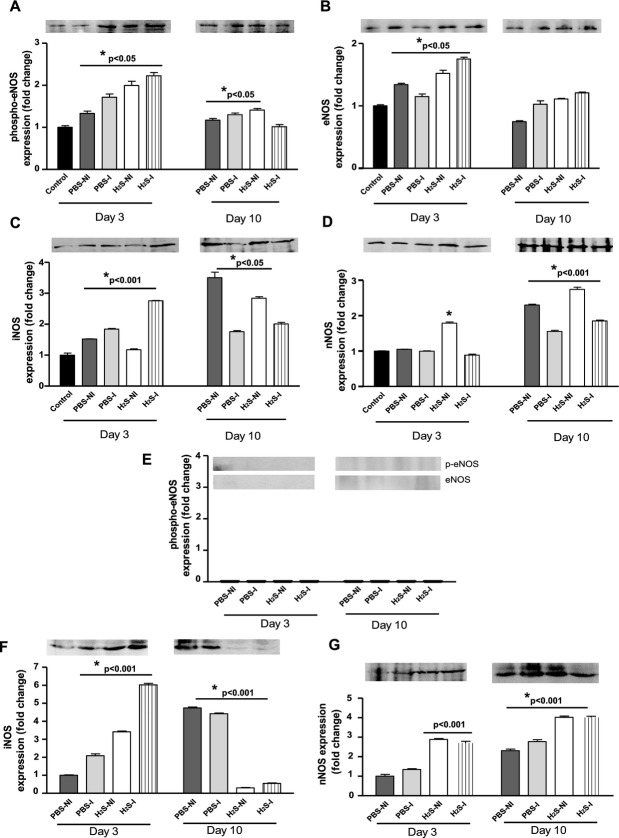
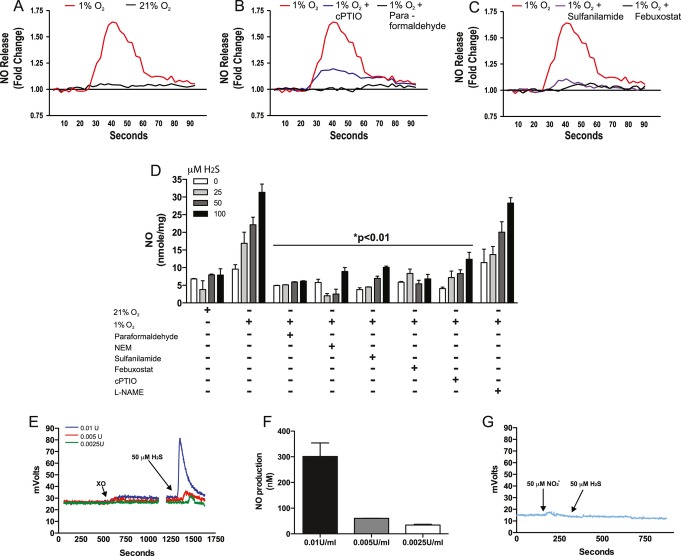
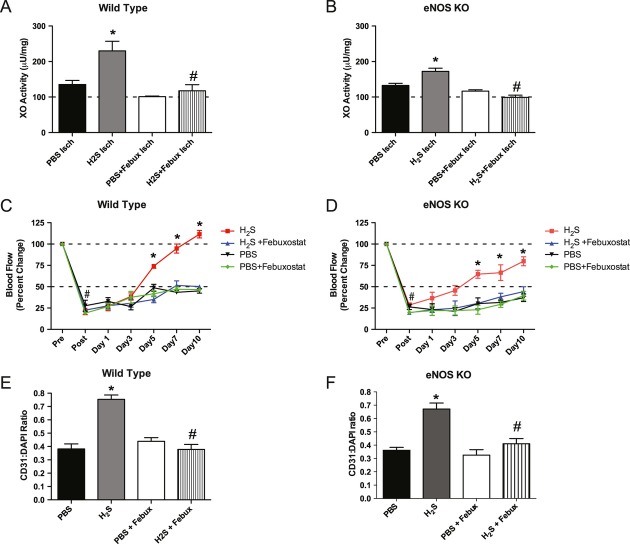
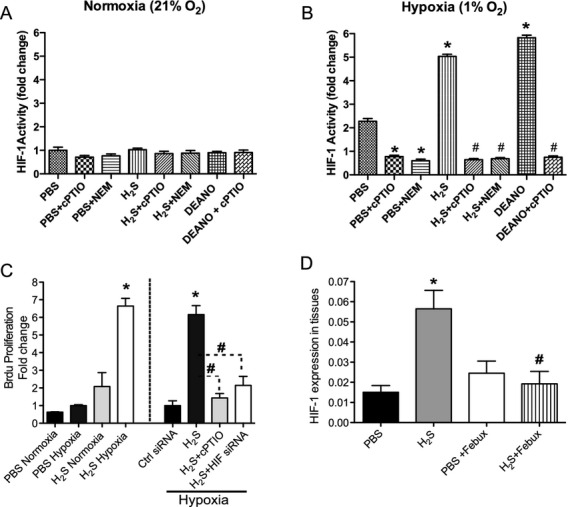
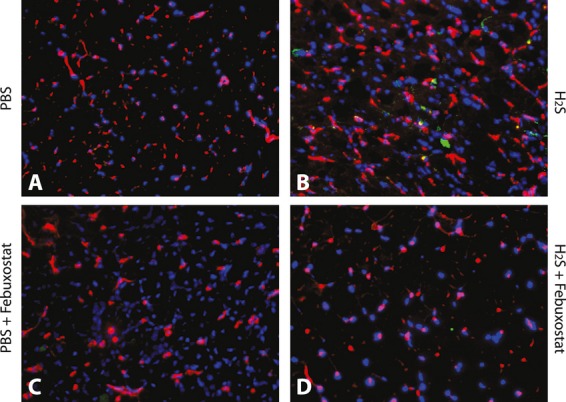
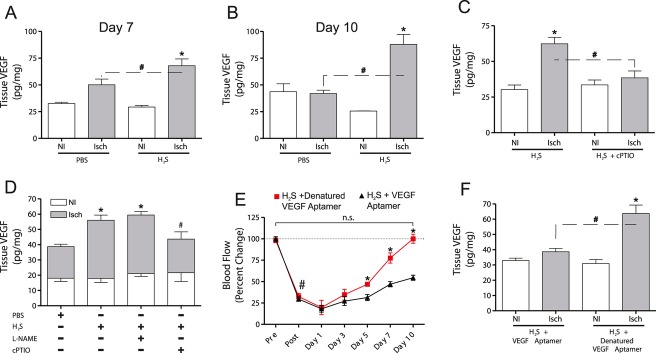
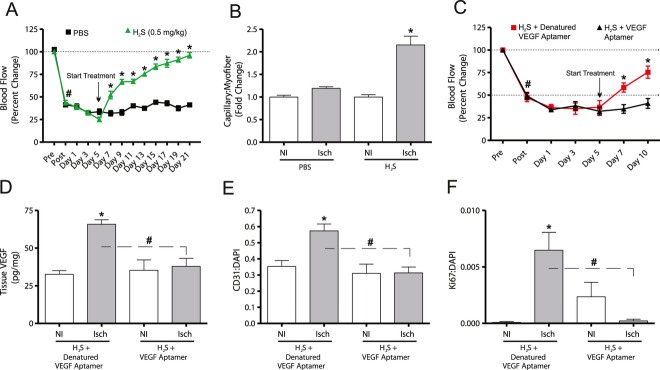
The unilateral, permanent femoral artery ligation model of hind-limb ischemia was performed in C57BL/6J wild-type and endothelial NO synthase-knockout mice to evaluate exogenous H(2)S effects on NO bioavailability and ischemic revascularization. We found that H(2)S selectively restored chronic ischemic tissue function and viability by enhancing NO production involving both endothelial NO synthase and nitrite reduction mechanisms. Importantly, H(2)S increased ischemic tissue xanthine oxidase activity, hind-limb blood flow, and angiogenesis, which were blunted by the xanthine oxidase inhibitor febuxostat. H(2)S treatment increased ischemic tissue and endothelial cell hypoxia-inducible factor-1α expression and activity and vascular endothelial growth factor protein expression and function in a NO-dependent manner that was required for ischemic vascular remodeling.
These data demonstrate that H(2)S differentially regulates NO metabolism during chronic tissue ischemia, highlighting novel biochemical pathways to increase NO bioavailability for ischemic vascular remodeling.
硫化氢 (H₂S) 治疗被认为是组织缺血期间血管功能的调节剂,其概念是一氧化氮 (NO) 代谢的潜在相互作用。然而,对于 H₂S 在缺血组织血管重塑过程中对 NO 代谢的具体生化机制或重要性知之甚少。本研究的目的是确定 H₂S 在慢性组织缺血期间对 NO 代谢的影响及其对缺血性血管重塑反应的后续影响。
在 C57BL/6J 野生型和内皮型一氧化氮合酶敲除小鼠中进行单侧、永久性股动脉结扎的后肢缺血模型,以评估外源性 H₂S 对 NO 生物利用度的影响和缺血再血管化作用。我们发现 H₂S 通过增强涉及内皮型一氧化氮合酶和亚硝酸盐还原机制的 NO 产生,选择性地恢复慢性缺血组织的功能和活力。重要的是,H₂S 增加了黄嘌呤氧化酶活性、后肢血流和血管生成,而黄嘌呤氧化酶抑制剂非布司他则减弱了这些作用。H₂S 处理以一种依赖于 NO 的方式增加了缺血组织和内皮细胞缺氧诱导因子-1α 的表达和活性以及血管内皮生长因子蛋白的表达和功能,这是缺血性血管重塑所必需的。
这些数据表明,H₂S 在慢性组织缺血期间对 NO 代谢进行差异调节,突出了增加 NO 生物利用度以促进缺血性血管重塑的新生化途径。