Department of Molecular, Cellular and Biomedical Sciences, Sophie Davis School of Biomedical Education, City University of New York School of Medicine, New York, NY 10031, USA.
Department of Molecular, Cellular and Biomedical Sciences, Sophie Davis School of Biomedical Education, City University of New York School of Medicine, New York, NY 10031, USA; Graduate Program in Biology, City University of New York Graduate Center, New York 10091, USA.
Pharmacol Ther. 2023 Sep;249:108502. doi: 10.1016/j.pharmthera.2023.108502. Epub 2023 Jul 28.
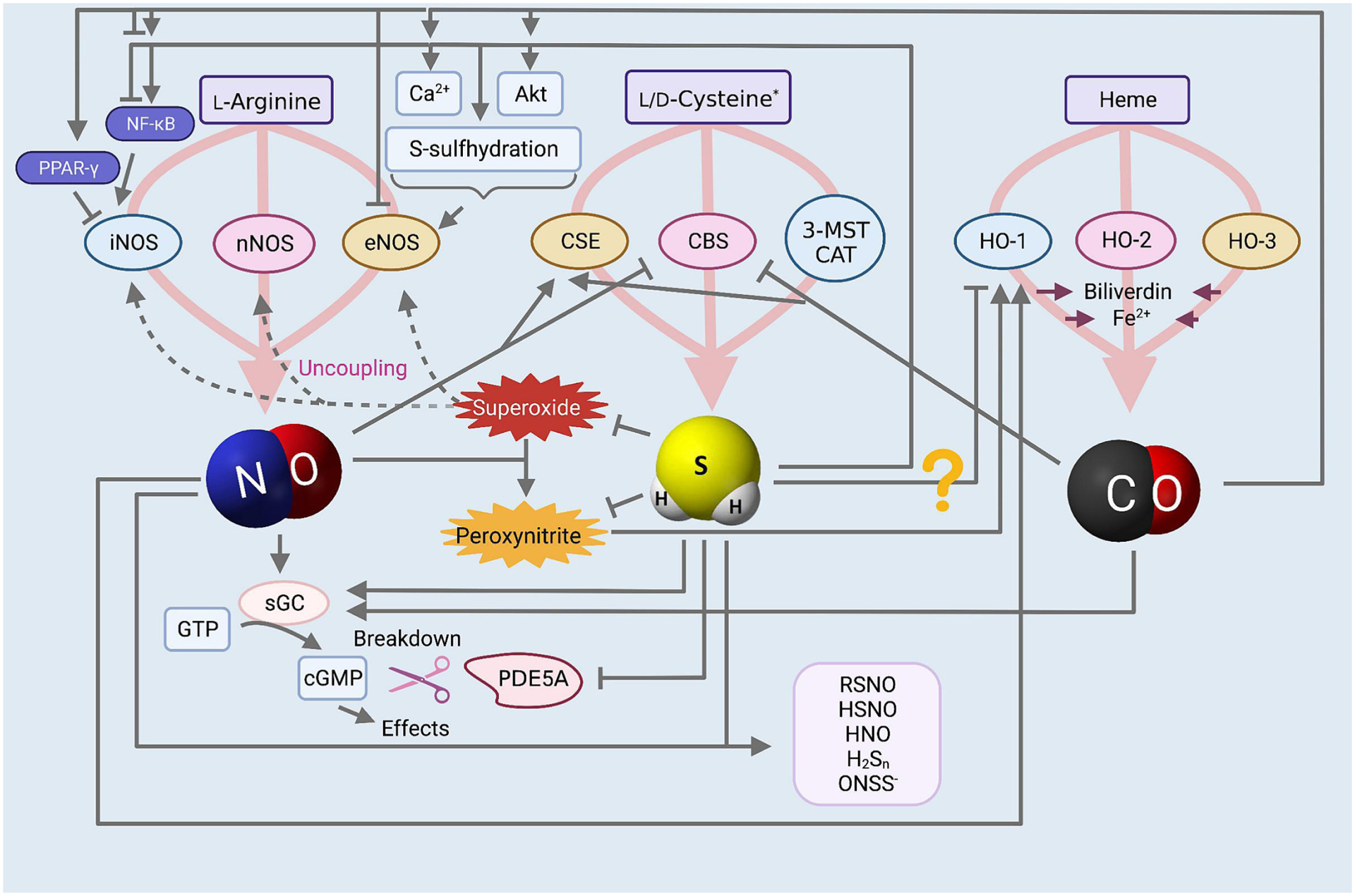
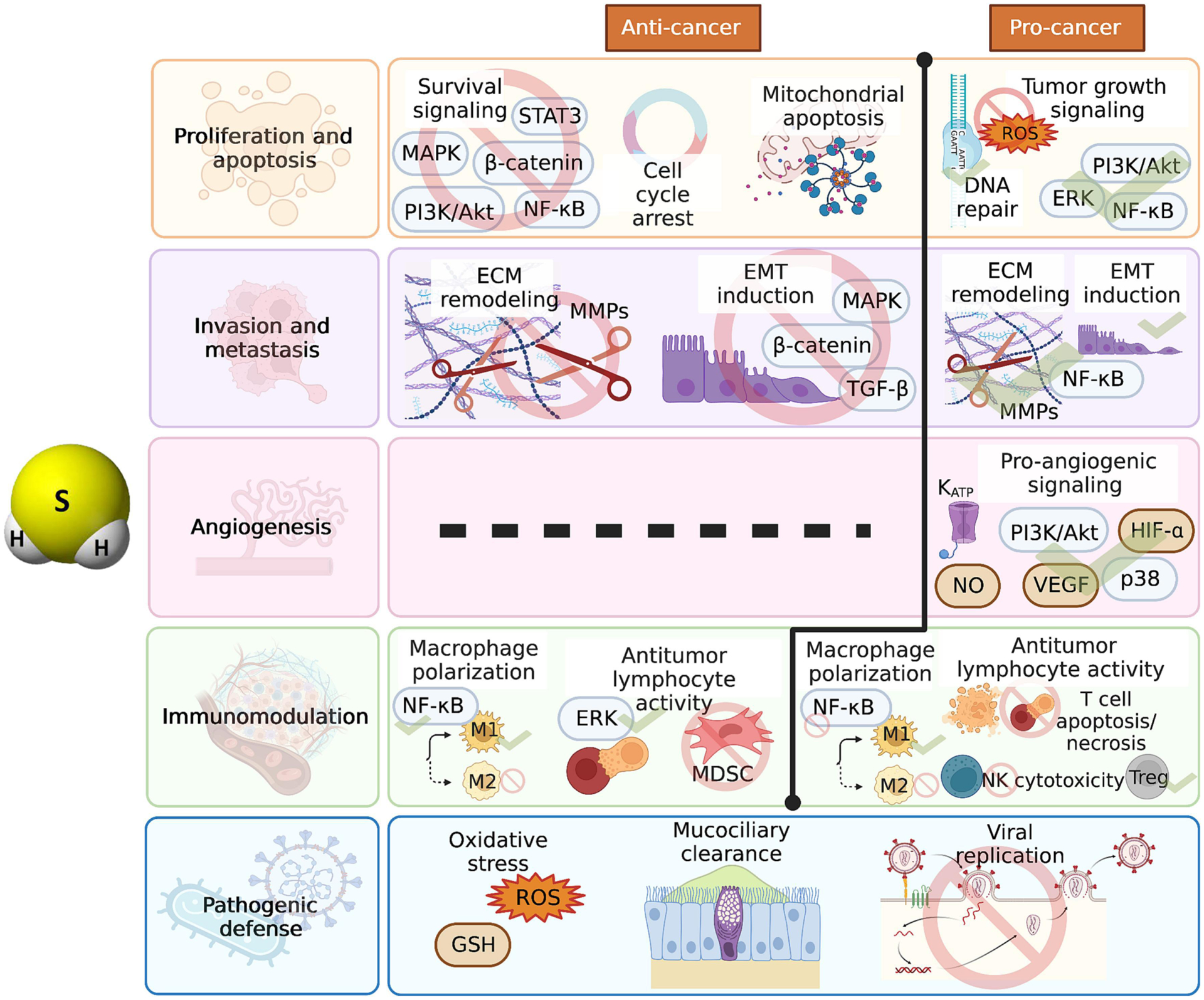
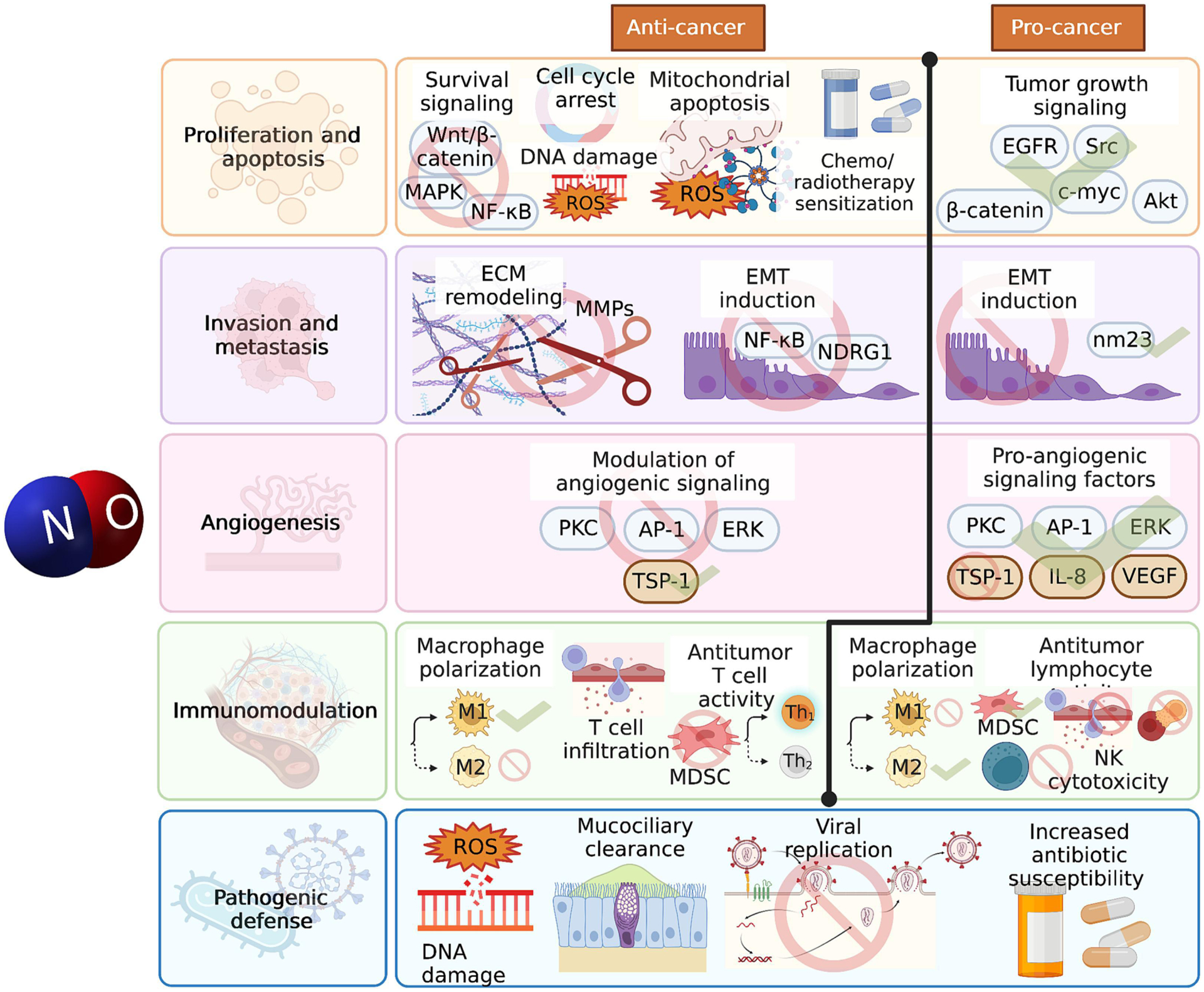
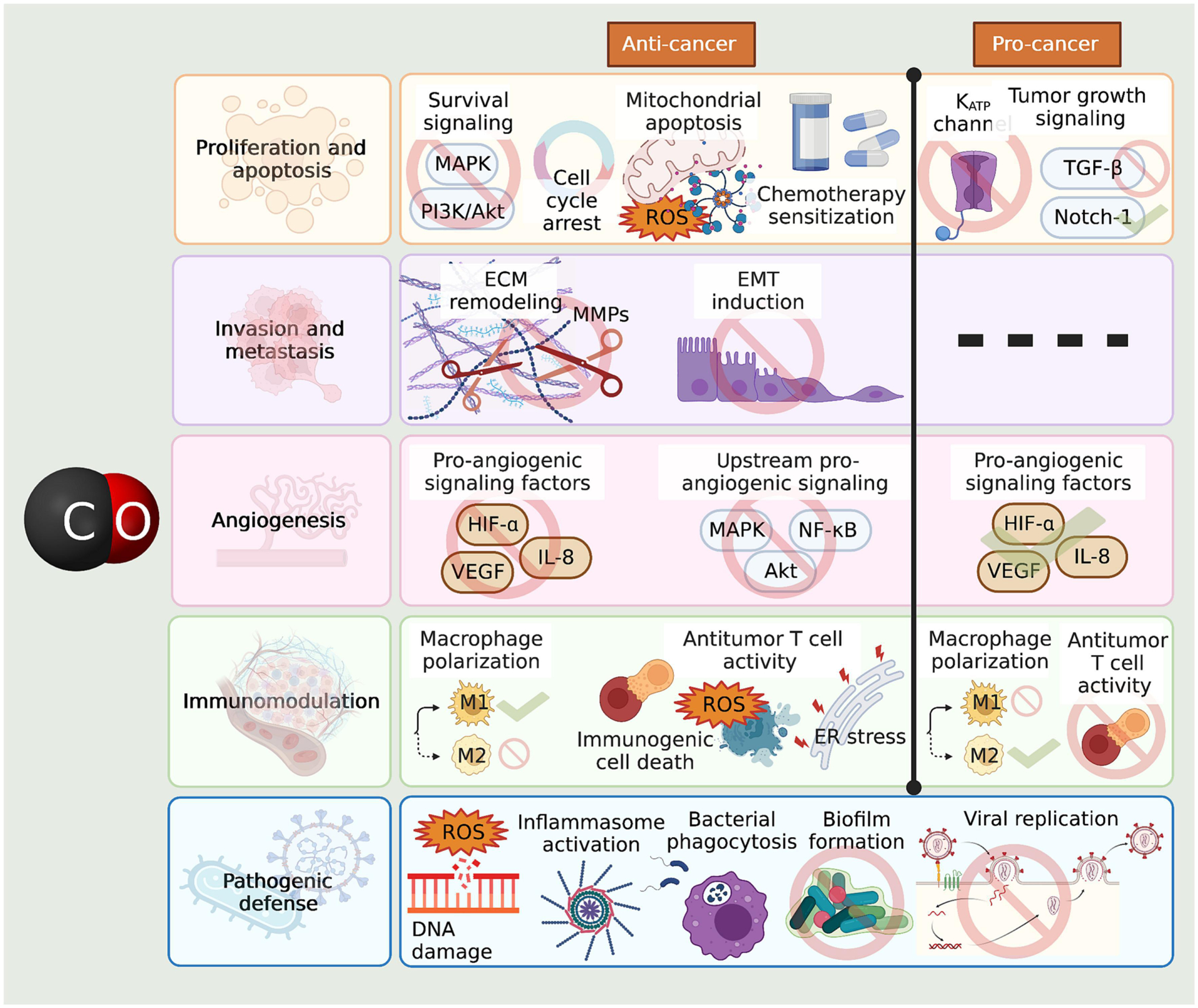
Nitric oxide (NO), carbon monoxide (CO), and hydrogen sulfide (HS) are three endogenously produced gases with important functions in the vasculature, immune defense, and inflammation. It is increasingly apparent that, far from working in isolation, these three exert many effects by modulating each other's activity. Each gas is produced by three enzymes, which have some tissue specificities and can also be non-enzymatically produced by redox reactions of various substrates. Both NO and CO share similar properties, such as activating soluble guanylate cyclase (sGC) to increase cyclic guanosine monophosphate (cGMP) levels. At the same time, HS both inhibits phosphodiesterase 5A (PDE5A), an enzyme that metabolizes sGC and exerts redox regulation on sGC. The role of NO, CO, and HS in the setting of cancer has been quite perplexing, as there is evidence for both tumor-promoting and pro-inflammatory effects and anti-tumor and anti-inflammatory activities. Each gasotransmitter has been found to have dual effects on different aspects of cancer biology, including cancer cell proliferation and apoptosis, invasion and metastasis, angiogenesis, and immunomodulation. These seemingly contradictory actions may relate to each gas having a dual effect dependent on its local flux. In this review, we discuss the major roles of NO, CO, and HS in the context of cancer, with an effort to highlight the dual nature of each gas in different events occurring during cancer progression.
一氧化氮(NO)、一氧化碳(CO)和硫化氢(HS)是三种内源性气体,它们在血管、免疫防御和炎症中具有重要功能。越来越明显的是,这三种气体并非孤立工作,而是通过相互调节彼此的活性来发挥许多作用。每种气体都由三种酶产生,这些酶具有一定的组织特异性,也可以通过各种底物的氧化还原反应非酶促产生。NO 和 CO 具有相似的性质,例如激活可溶性鸟苷酸环化酶(sGC)以增加环鸟苷酸(cGMP)水平。同时,HS 既抑制磷酸二酯酶 5A(PDE5A),该酶代谢 sGC 并对 sGC 进行氧化还原调节。NO、CO 和 HS 在癌症中的作用一直令人费解,因为有证据表明它们具有促进肿瘤和促炎作用以及抗肿瘤和抗炎作用。已经发现每种气体传递体对癌症生物学的不同方面都具有双重作用,包括癌细胞增殖和凋亡、侵袭和转移、血管生成和免疫调节。这些看似矛盾的作用可能与每种气体的局部通量依赖性的双重作用有关。在这篇综述中,我们讨论了 NO、CO 和 HS 在癌症中的主要作用,努力强调每种气体在癌症进展过程中不同事件中的双重性质。