Unidade de Investigação em Patobiologia Molecular, Instituto Português de Oncologia de Lisboa Francisco Gentil, E.P.E., Lisboa, Portugal.
PLoS One. 2013;8(1):e53766. doi: 10.1371/journal.pone.0053766. Epub 2013 Jan 8.
Aberrant epigenetic patterns are central in the pathogenesis of haematopoietic diseases such as myelodysplastic syndromes (MDS) and acute myeloid leukaemia (AML). Vorinostat is a HDACi which has produced responses in these disorders. The purpose of this study was to address the functional effects of vorinostat in leukemic cell lines and primary AML and MDS myeloid cells and to dissect the genetic and molecular mechanisms by which it exerts its action.
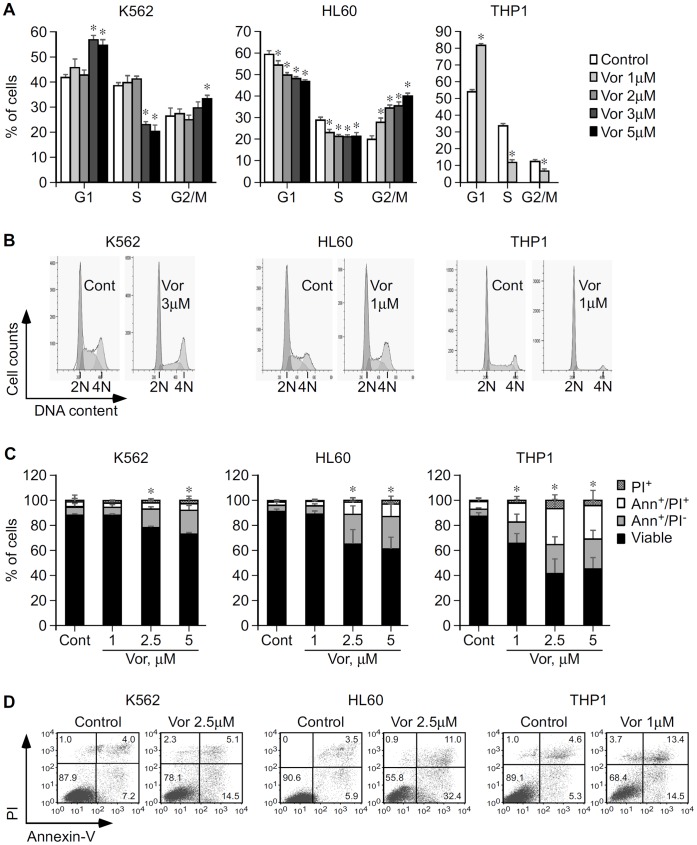
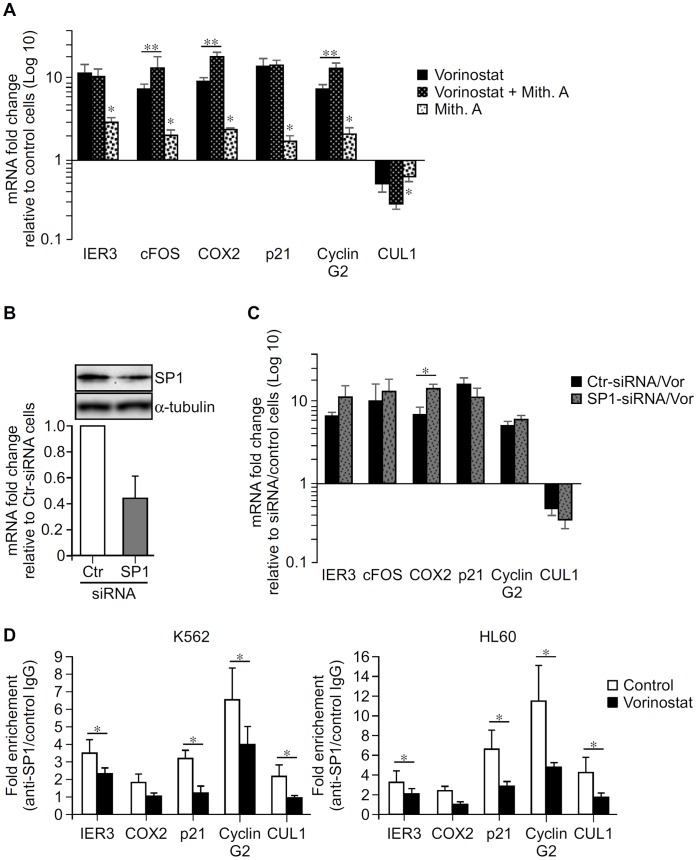
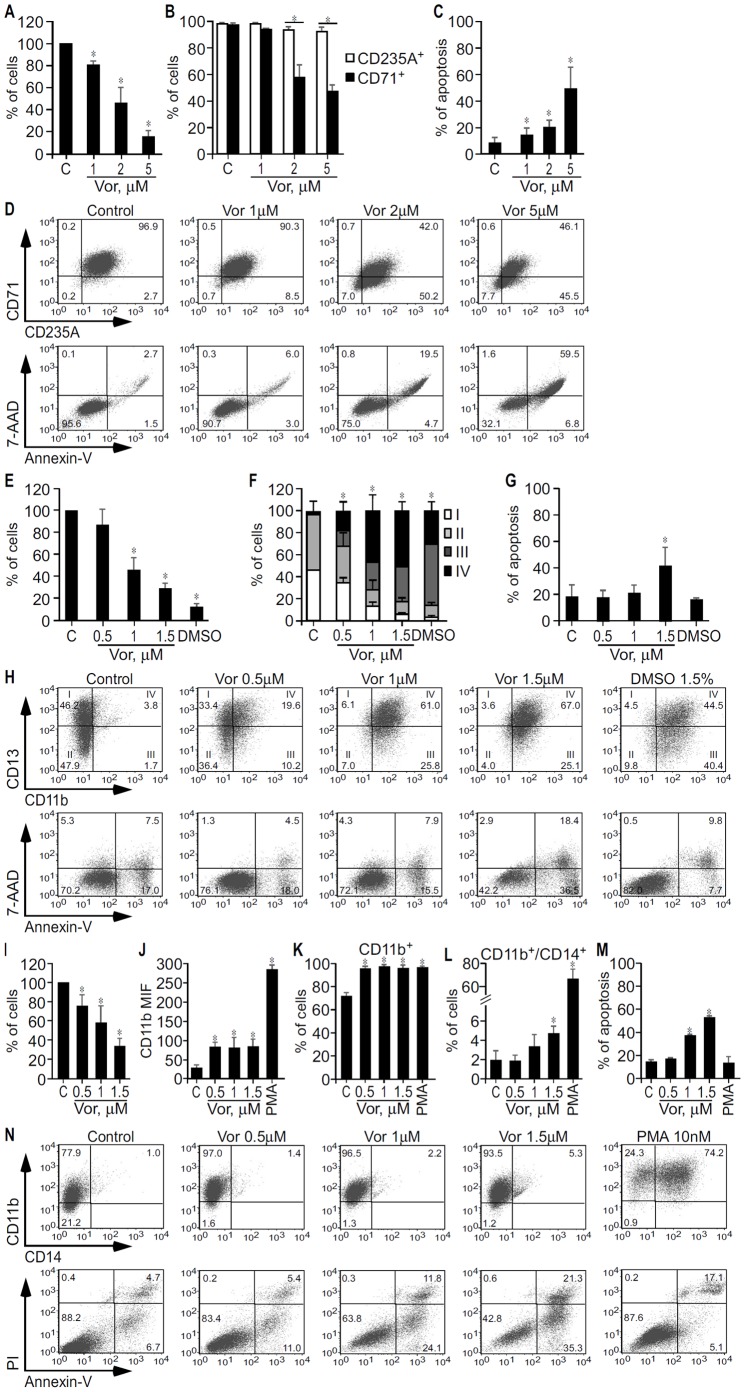
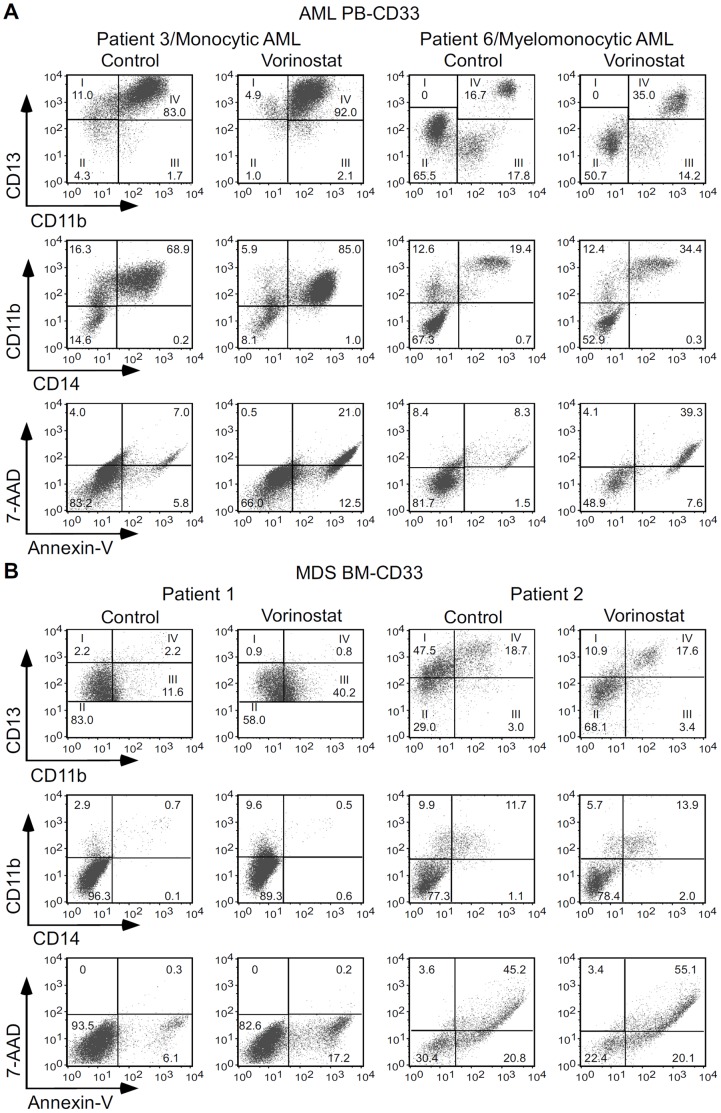
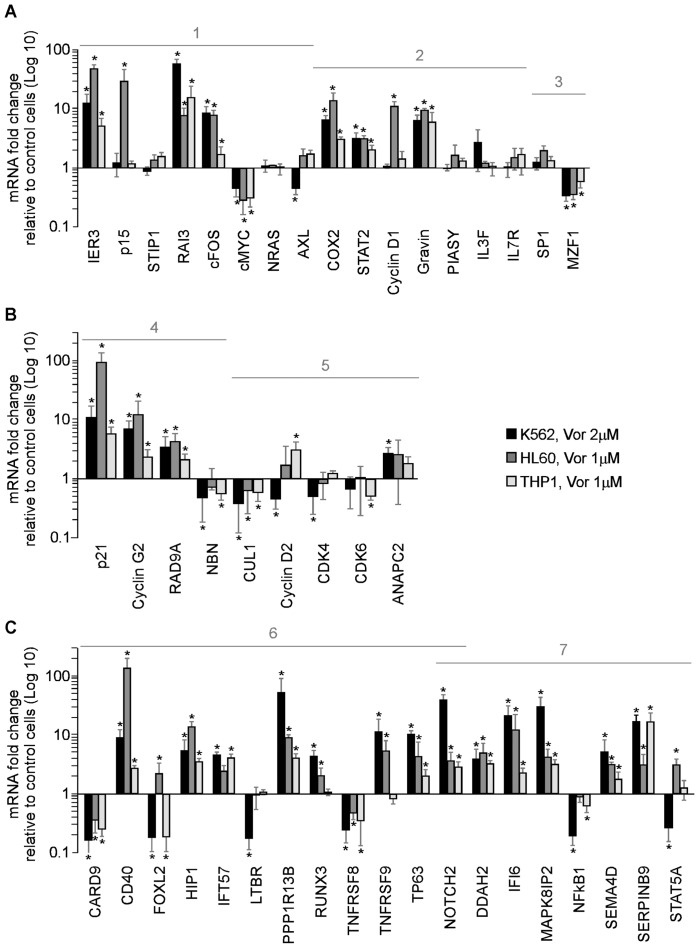
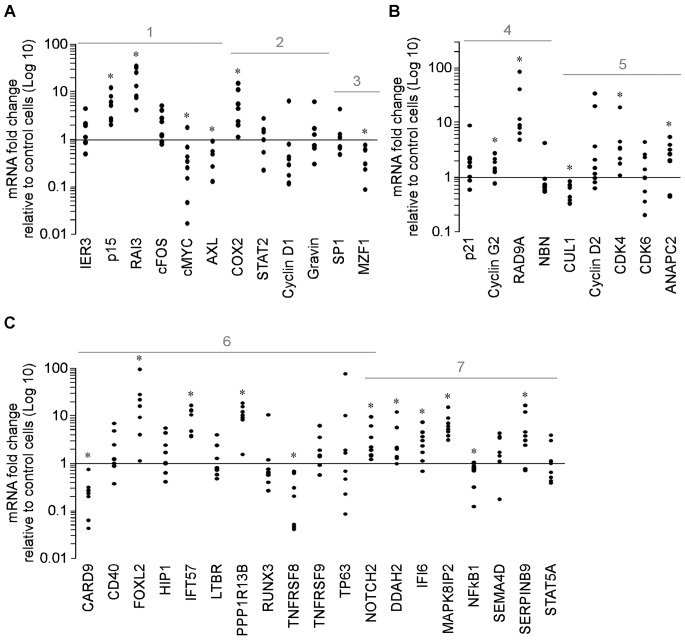
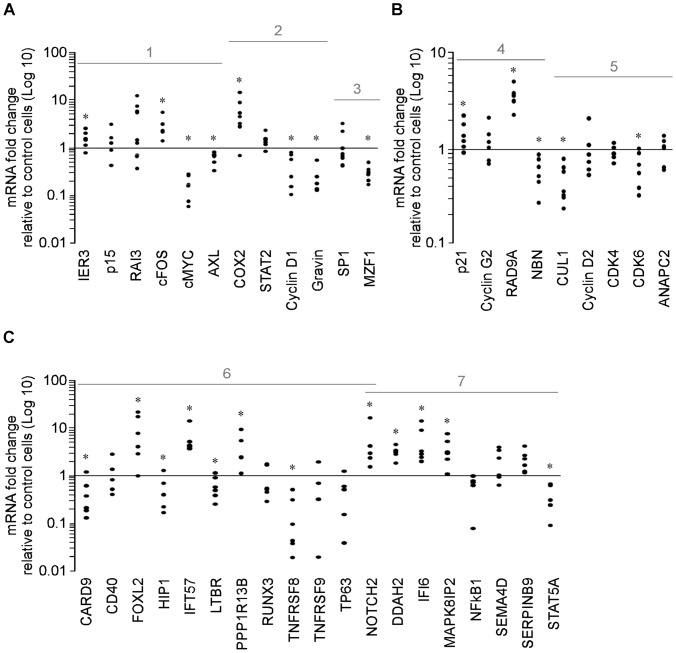
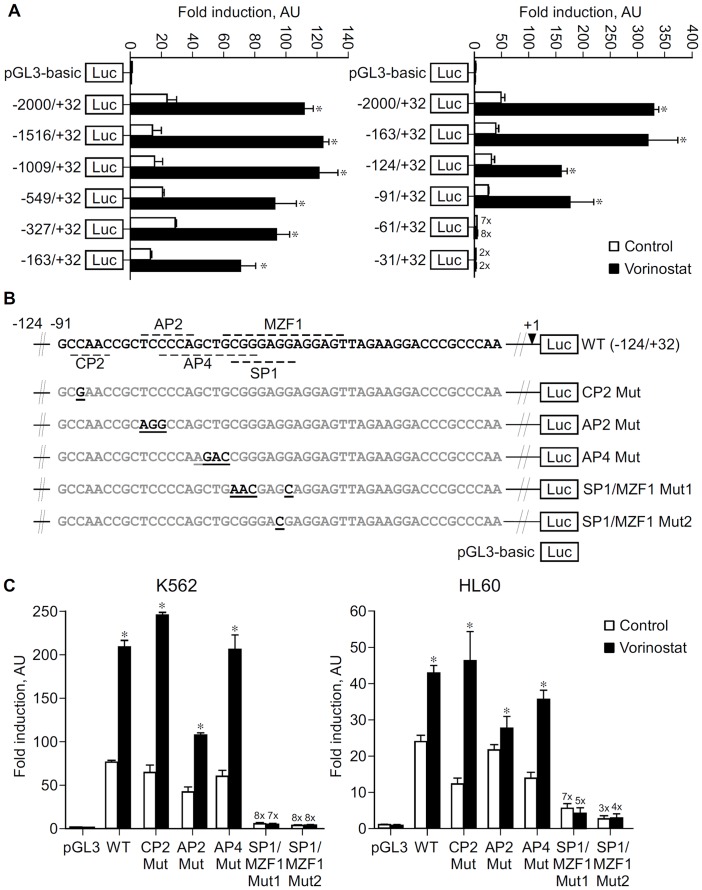
METHODOLOGY/PRINCIPAL FINDINGS: Functional assays showed vorinostat promoted cell cycle arrest, inhibited growth, and induced apoptosis and differentiation of K562, HL60 and THP-1 and of CD33(+) cells from AML and MDS patients. To explore the genetic mechanism for these effects, we quantified gene expression modulation by vorinostat in these cells. Vorinostat increased expression of genes down-regulated in MDS and/or AML (cFOS, COX2, IER3, p15, RAI3) and suppressed expression of genes over-expressed in these malignancies (AXL, c-MYC, Cyclin D1) and modulated cell cycle and apoptosis genes in a manner which would favor cell cycle arrest, differentiation, and apoptosis of neoplastic cells, consistent with the functional assays. Reporter assays showed transcriptional effect of vorinostat on some of these genes was mediated by proximal promoter elements in GC-rich regions. Vorinostat-modulated expression of some genes was potentiated by mithramycin A, a compound that interferes with SP1 binding to GC-rich DNA sequences, and siRNA-mediated SP1 reduction. ChIP assays revealed vorinostat inhibited DNA binding of SP1 to the proximal promoter regions of these genes. These results suggest vorinostat transcriptional action in some genes is regulated by proximal promoter GC-rich DNA sequences and by SP1.
This study sheds light on the effects of vorinostat in AML and MDS and supports the implementation of clinical trials to explore the use of vorinostat in the treatment of these diseases.
异常的表观遗传模式在血液系统疾病的发病机制中起着核心作用,如骨髓增生异常综合征(MDS)和急性髓系白血病(AML)。伏立诺他是一种 HDACi,在这些疾病中产生了反应。本研究的目的是研究伏立诺他在白血病细胞系和原发性 AML 和 MDS 髓样细胞中的功能作用,并剖析其作用的遗传和分子机制。
方法/主要发现:功能分析表明,伏立诺他促进了 K562、HL60 和 THP-1 细胞以及 AML 和 MDS 患者的 CD33(+)细胞的细胞周期停滞、抑制生长、诱导细胞凋亡和分化。为了探讨这些作用的遗传机制,我们定量分析了伏立诺他在这些细胞中对基因表达的调控。伏立诺他增加了 MDS 和/或 AML 中下调基因的表达(cFOS、COX2、IER3、p15、RAI3),并抑制了这些恶性肿瘤中过表达基因的表达(AXL、c-MYC、Cyclin D1),并以有利于肿瘤细胞周期停滞、分化和凋亡的方式调节细胞周期和凋亡基因,这与功能分析一致。报告基因分析表明,伏立诺他对一些基因的转录作用是由富含 GC 的启动子近端元件介导的。米托蒽醌 A(一种干扰 SP1 与富含 GC 的 DNA 序列结合的化合物)和 siRNA 介导的 SP1 减少增强了伏立诺他调节的一些基因的表达。染色质免疫沉淀分析显示,伏立诺他抑制了 SP1 对这些基因的近端启动子区域的 DNA 结合。这些结果表明,伏立诺他在一些基因中的转录作用受富含 GC 的启动子近端 DNA 序列和 SP1 调控。
本研究阐明了伏立诺他在 AML 和 MDS 中的作用,并支持实施临床试验,以探索伏立诺他在治疗这些疾病中的应用。