Plant Nutrient Signaling and Fruit Quality Improvement Laboratory, Citrus Research Institute & College of Horticulture and Landscape Architecture, Southwest University, Beibei, Chongqing 400712, China.
BMC Genomics. 2013 Jan 16;14:27. doi: 10.1186/1471-2164-14-27.
Huanglongbing (HLB) is arguably the most destructive disease for the citrus industry. HLB is caused by infection of the bacterium, Candidatus Liberibacter spp. Several citrus GeneChip studies have revealed thousands of genes that are up- or down-regulated by infection with Ca. Liberibacter asiaticus. However, whether and how these host genes act to protect against HLB remains poorly understood.
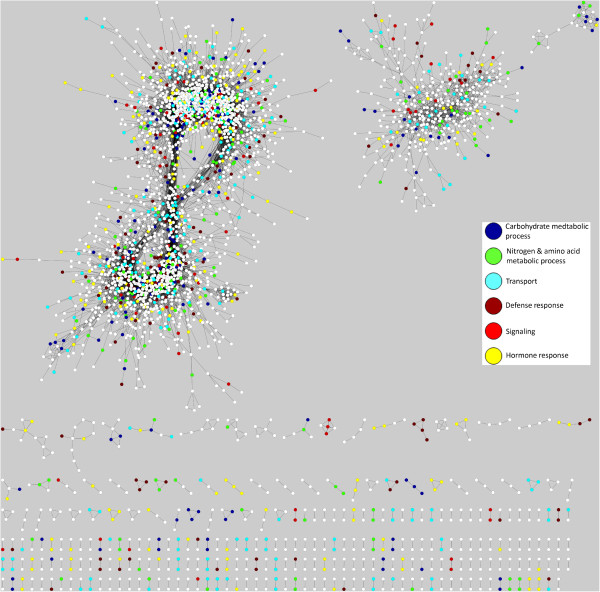
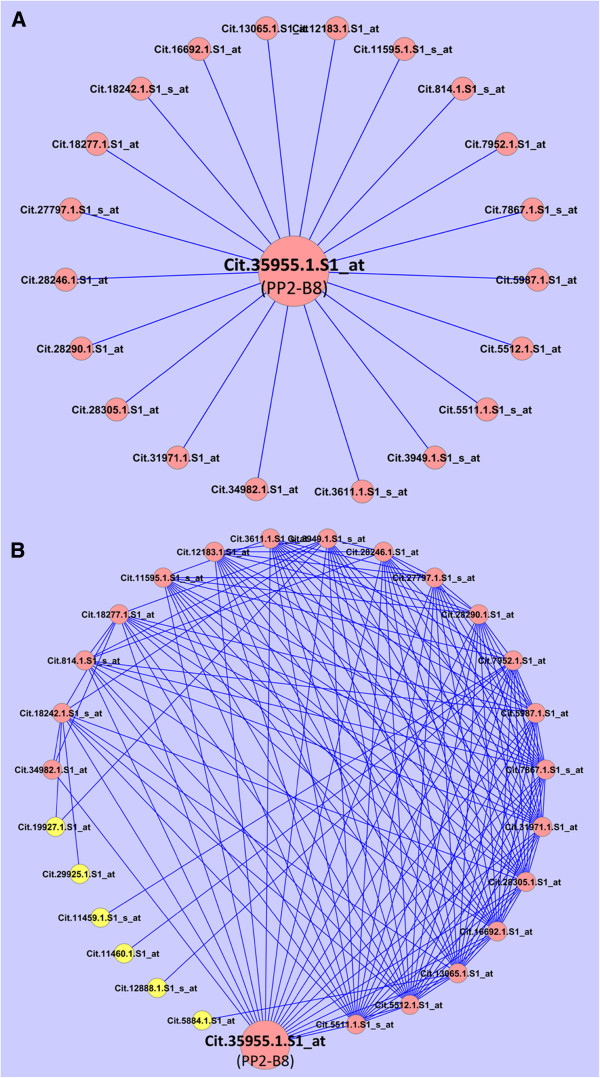
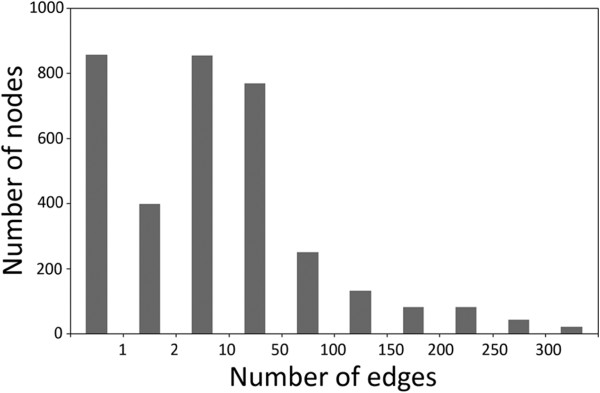
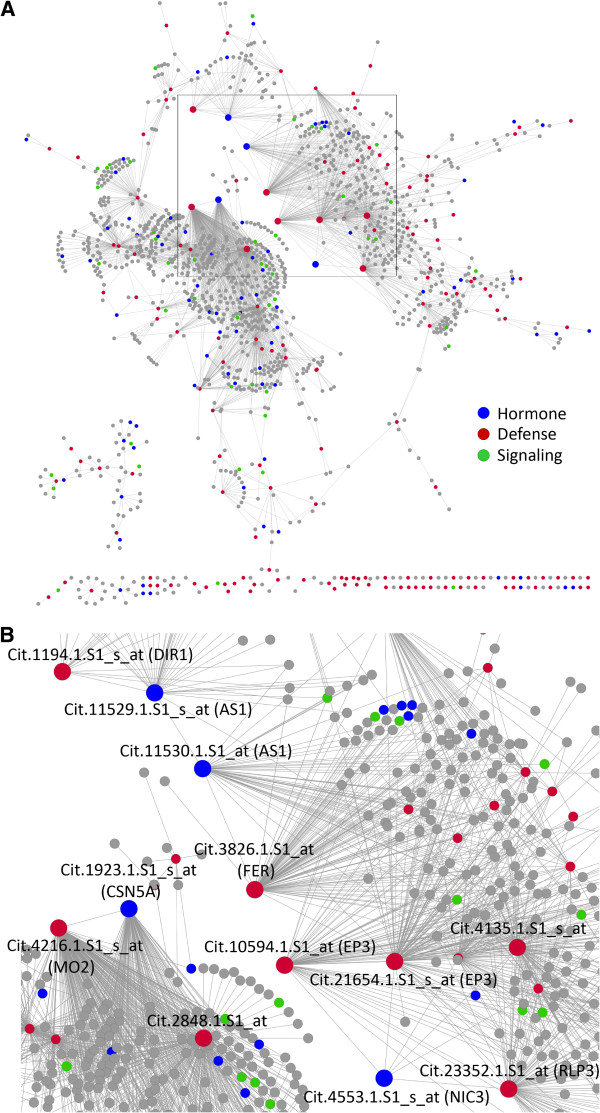
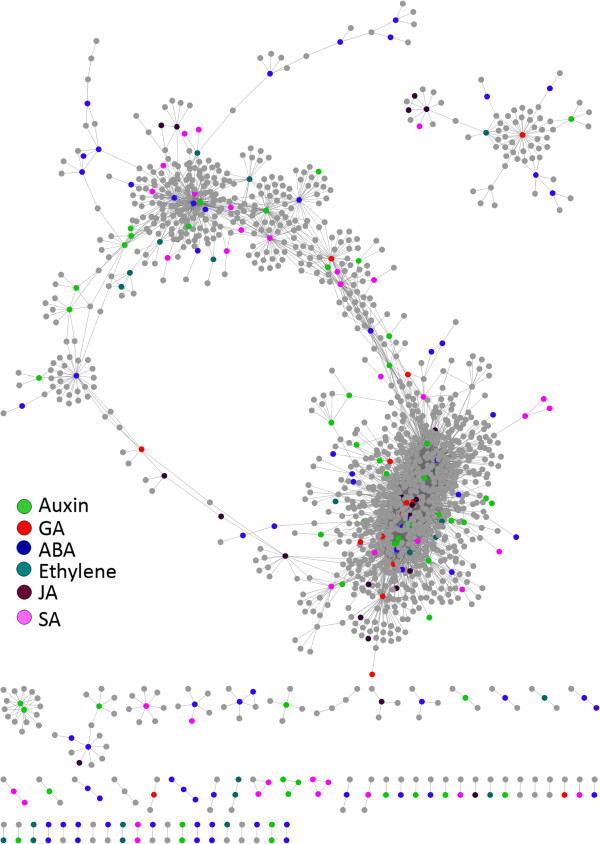
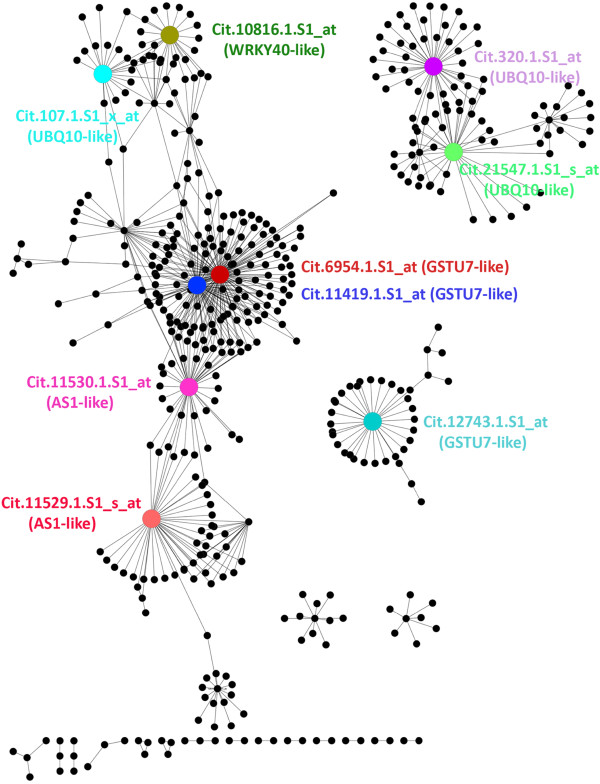
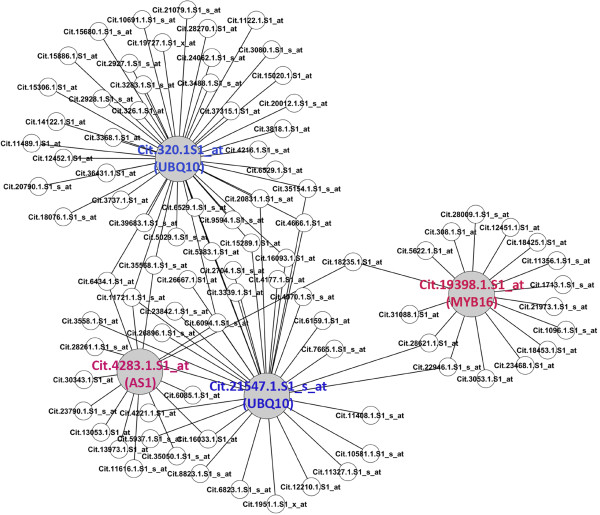
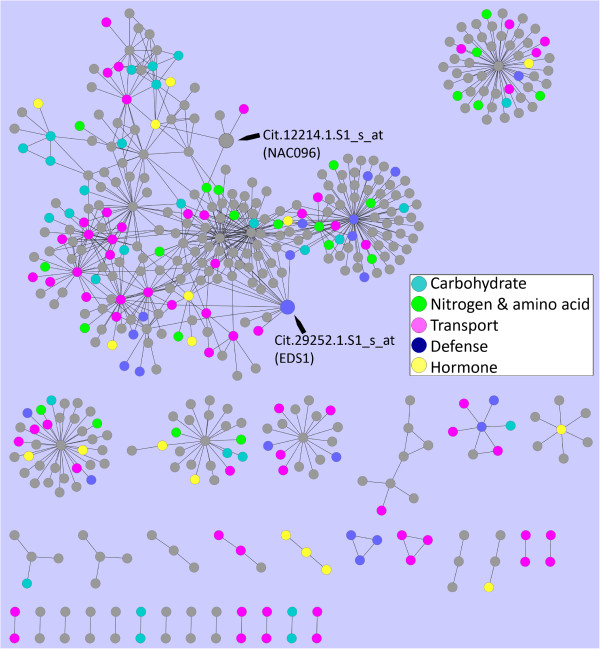
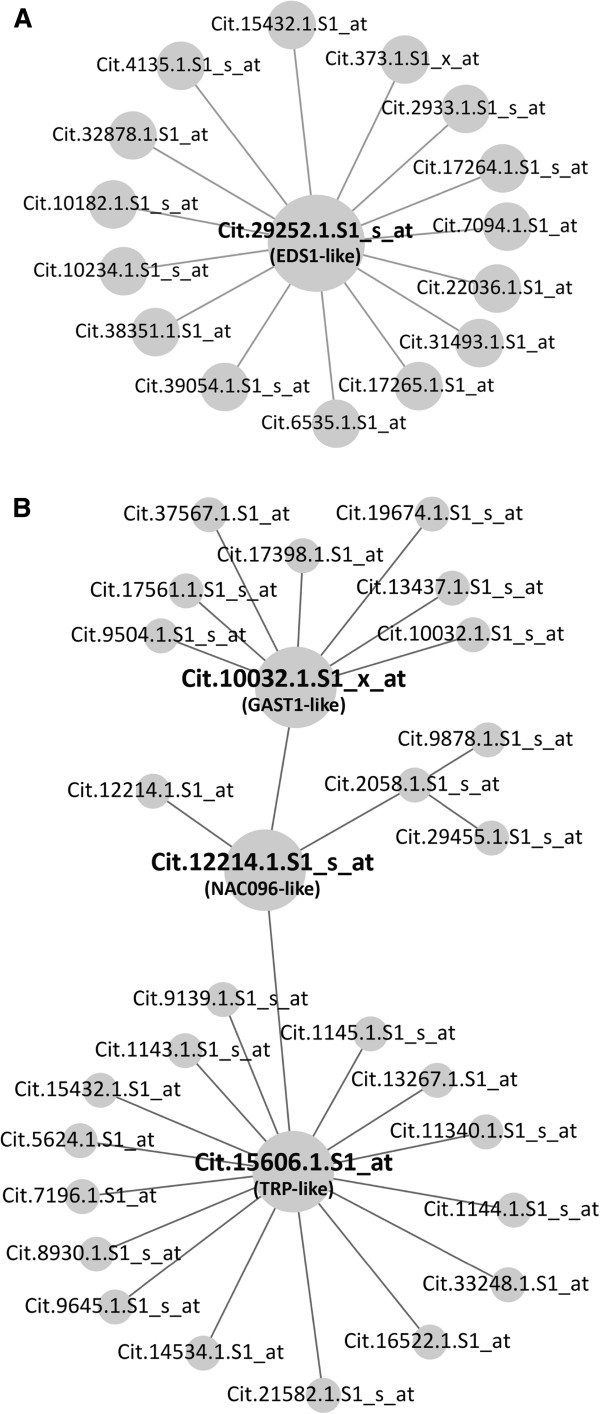
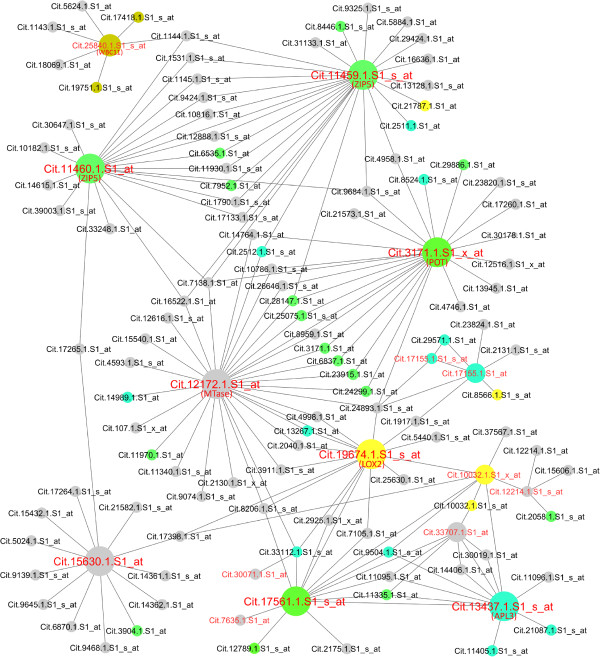
As a first step towards a mechanistic view of citrus in response to the HLB bacterial infection, we performed a comparative transcriptome analysis and found that a total of 21 Probesets are commonly up-regulated by the HLB bacterial infection. In addition, a number of genes are likely regulated specifically at early, late or very late stages of the infection. Furthermore, using Pearson correlation coefficient-based gene coexpression analysis, we constructed a citrus HLB response network consisting of 3,507 Probesets and 56,287 interactions. Genes involved in carbohydrate and nitrogen metabolic processes, transport, defense, signaling and hormone response were overrepresented in the HLB response network and the subnetworks for these processes were constructed. Analysis of the defense and hormone response subnetworks indicates that hormone response is interconnected with defense response. In addition, mapping the commonly up-regulated HLB responsive genes into the HLB response network resulted in a core subnetwork where transport plays a key role in the citrus response to the HLB bacterial infection. Moreover, analysis of a phloem protein subnetwork indicates a role for this protein and zinc transporters or zinc-binding proteins in the citrus HLB defense response.
Through integrating transcriptome comparison and gene coexpression network analysis, we have provided for the first time a systems view of citrus in response to the Ca. Liberibacter spp. infection causing HLB.
黄龙病(HLB)可以说是柑橘产业最具破坏性的疾病。HLB 是由细菌 Candidatus Liberibacter spp. 感染引起的。几项柑橘基因芯片研究揭示了数千个受 Ca. Liberibacter asiaticus 感染而上调或下调的基因。然而,这些宿主基因是否以及如何起到抵御 HLB 的作用仍知之甚少。
作为对柑橘对 HLB 细菌感染反应的机制观点的第一步,我们进行了比较转录组分析,发现共有 21 个探针通常受 HLB 细菌感染而上调。此外,一些基因可能在感染的早期、晚期或很晚阶段受到特异性调控。此外,使用基于 Pearson 相关系数的基因共表达分析,我们构建了一个由 3507 个探针和 56287 个相互作用组成的柑橘 HLB 反应网络。参与碳水化合物和氮代谢过程、运输、防御、信号转导和激素反应的基因在 HLB 反应网络及其过程的子网络中过表达。对防御和激素反应子网络的分析表明,激素反应与防御反应相互关联。此外,将共同上调的 HLB 反应基因映射到 HLB 反应网络中,得到了一个核心子网络,其中运输在柑橘对 HLB 细菌感染的反应中起着关键作用。此外,对韧皮部蛋白子网络的分析表明,该蛋白与锌转运体或锌结合蛋白在柑橘 HLB 防御反应中起作用。
通过整合转录组比较和基因共表达网络分析,我们首次提供了柑橘对导致 HLB 的 Ca. Liberibacter spp. 感染的反应的系统观点。