Research Center for Medicinal Biotechnology, Shandong Academy of Medical Sciences, Jinan, Shandong, P. R. China.
PLoS One. 2013;8(1):e53301. doi: 10.1371/journal.pone.0053301. Epub 2013 Jan 9.
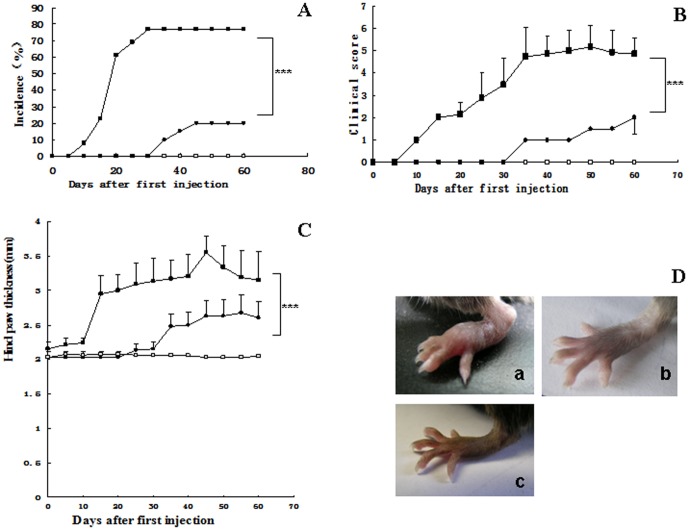
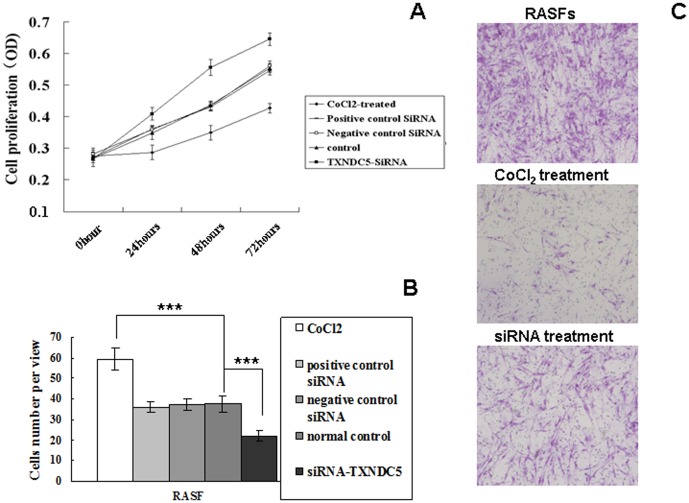
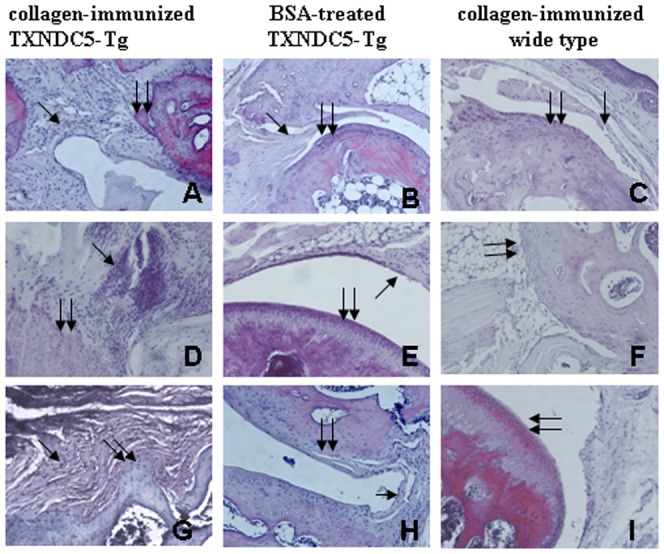
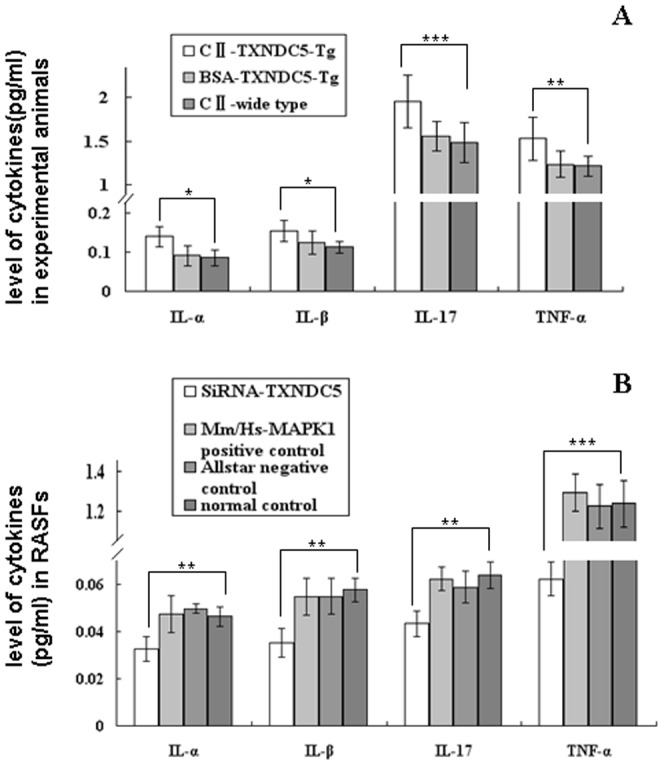
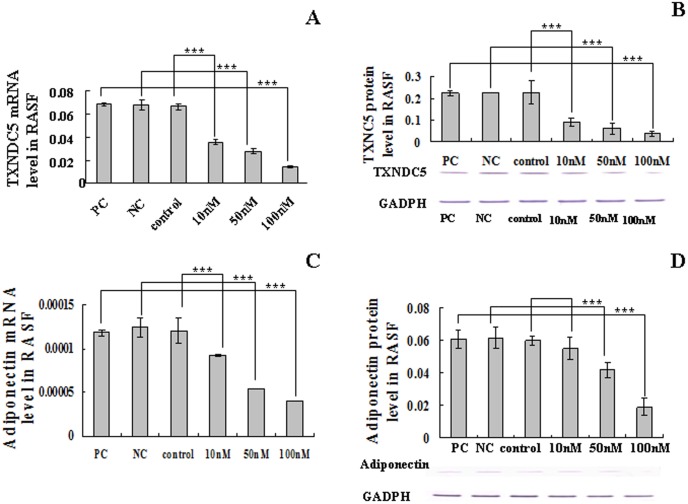
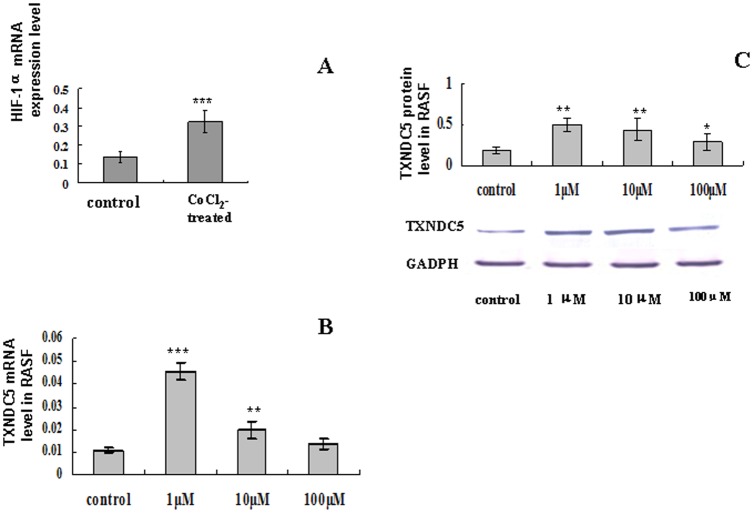
Hypoxia stimulates synovial hypoperfusion in rheumatoid arthritis (RA). TXNDC5 stimulates cellular proliferation in hypoxic conditions. We previously detected increased TXNDC5 expression in synovial tissues and blood from RA patients and demonstrated that the gene encoding TXNDC5 increased RA risk. The present study investigated the pathogenic roles of TXNDC5 in RA. Transgenic mice that over-expressed TXNDC5 (TXNDC5-Tg) were generated using C57BL/6J mice and treated with bovine collagen II to induce arthritis (CIA). Synovial fibroblasts from RA patients (RASFs) were cultured and incubated with TXNDC5-siRNA or CoCl(2), a chemical that induces hypoxia. CIA was observed in 80% of the TXNDC5-Tg, but only 20% of the wild-type mice (WT) developed CIA. The clinical arthritis scores reached 5 in the TXNDC5-Tg, but this index only reached 2 in the control mice. CIA TXNDC5-Tg exhibited clear pannus proliferation and bone erosion in joint tissues. A significant increase in CD4 T cells was observed in the thymus and spleen of TXNDC5-Tg during CIA. Serum levels of anti-collagen II IgG, IgG1 and IgG2a antibodies were significantly elevated in the mice. Increased cell proliferation, cell migration and TXNDC5 expression were observed in RASFs following incubation with 1 µM CoCl(2). However, this effect was diminished when TXNDC5 expression was inhibited with 100 nM siRNA. TNF-alpha, IL-1α, IL-1β and IL-17 levels were significantly increased in the blood of TXNDC5-Tg mice, but the levels of these cytokines declined in the supernatant of RASFs that were treated with TXNDC5 siRNA. The expression of adiponectin, a cytokine-like mediator, decreased significantly in RASFs following TXNDC5 siRNA treatment. These results suggest that TXNDC5-over-expressing mice were susceptible to CIA. This study also suggests that hypoxia induced TXCNDC5 expression, which contributed to adiponectin expression, cytokine production and the cellular proliferation and migration of fibroblasts in RA.
缺氧可刺激类风湿关节炎(RA)中的滑膜低灌注。TXNDC5 在缺氧条件下刺激细胞增殖。我们之前在 RA 患者的滑膜组织和血液中检测到 TXNDC5 表达增加,并证明编码 TXNDC5 的基因增加了 RA 的风险。本研究探讨了 TXNDC5 在 RA 中的致病作用。使用 C57BL/6J 小鼠生成了过表达 TXNDC5(TXNDC5-Tg)的转基因小鼠,并使用牛胶原蛋白 II 处理以诱导关节炎(CIA)。培养 RA 患者的滑膜成纤维细胞(RASFs),并用 TXNDC5-siRNA 或 CoCl2(一种诱导缺氧的化学物质)孵育。在 TXNDC5-Tg 中,80%的小鼠发生 CIA,而在野生型(WT)小鼠中只有 20%发生 CIA。TXNDC5-Tg 的临床关节炎评分达到 5 分,而对照小鼠的这一指数仅达到 2 分。CIA TXNDC5-Tg 表现出明显的滑膜增生和关节组织骨侵蚀。在 CIA 期间,TXNDC5-Tg 的胸腺和脾脏中观察到 CD4 T 细胞显著增加。在小鼠中,抗胶原蛋白 II IgG、IgG1 和 IgG2a 抗体的血清水平显著升高。孵育 1 µM CoCl2 后,RASFs 的细胞增殖、细胞迁移和 TXNDC5 表达增加。然而,当用 100 nM siRNA 抑制 TXNDC5 表达时,这种作用减弱。TXNDC5-Tg 小鼠血液中的 TNF-α、IL-1α、IL-1β 和 IL-17 水平显著升高,但在经 TXNDC5 siRNA 处理的 RASFs 上清液中,这些细胞因子的水平下降。脂联素(一种细胞因子样介质)的表达在 RASFs 经 TXNDC5 siRNA 处理后显著降低。这些结果表明,过表达 TXNDC5 的小鼠易发生 CIA。本研究还表明,缺氧诱导 TXCNDC5 表达,这有助于脂联素表达、细胞因子产生以及 RA 中成纤维细胞的细胞增殖和迁移。