Zeissig Sebastian, Olszak Torsten, Melum Espen, Blumberg Richard S
Division of Gastroenterology, Hepatology, and Endoscopy, Brigham and Women's Hospital, Harvard Medical School, Boston, MA, USA.
Department of Internal Medicine I, University Medical Center Schleswig-Holstein, Christian-Albrechts-University, Kiel, Germany.
Methods Mol Biol. 2013;960:557-572. doi: 10.1007/978-1-62703-218-6_41.
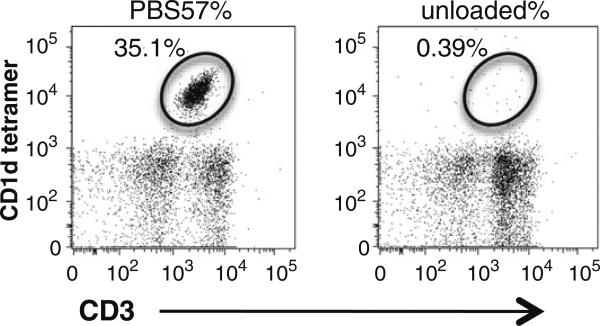
Natural Killer T (NKT) cells are a subset of T lymphocytes that recognize a wide variety of lipid antigens presented by CD1 molecules. NKT cells exhibit rapid activation after recognition of cognate antigens, secrete abundant amounts of T helper (Th) 1, Th2, and Th17 cytokines within hours of activation and shape the immune response through subsequent activation of dendritic, NK, T and B cells. NKT cells therefore play central roles in antimicrobial and anticancer immunity and in modulation of various autoimmune disorders. Consequently, recent research has focused on the discovery of microbial and self-antigens involved in NKT cell activation. In this chapter, we discuss different strategies for studying antigen recognition by NKT cells including CD1d tetramer-based approaches and in vitro assays characterizing NKT cell activation in response to lipid antigen presentation. While toll-like receptor (TLR) agonists and cytokines such as IL-12 are critical for NKT cell activation in vivo, particularly in the context of microbial infection, methods for detection of TLR- and cytokine-dependent NKT cell activation will not be discussed in this section.
自然杀伤T(NKT)细胞是T淋巴细胞的一个亚群,可识别由CD1分子呈递的多种脂质抗原。NKT细胞在识别同源抗原后迅速激活,在激活后数小时内分泌大量辅助性T(Th)1、Th2和Th17细胞因子,并通过随后激活树突状细胞、自然杀伤细胞、T细胞和B细胞来塑造免疫反应。因此,NKT细胞在抗微生物和抗癌免疫以及各种自身免疫性疾病的调节中发挥核心作用。因此,最近的研究集中在发现参与NKT细胞激活的微生物和自身抗原。在本章中,我们将讨论研究NKT细胞抗原识别的不同策略,包括基于CD1d四聚体的方法以及表征NKT细胞对脂质抗原呈递反应激活的体外试验。虽然Toll样受体(TLR)激动剂和细胞因子如IL-12对体内NKT细胞激活至关重要,特别是在微生物感染的情况下,但本节将不讨论检测TLR和细胞因子依赖性NKT细胞激活的方法。