Center for Bioprocess Engineering, Department of Chemical and Biochemical Engineering, Technical University of Denmark (DTU), Lyngby, DK-2800 Kgs, Denmark.
Biotechnol Biofuels. 2013 Jan 21;6(1):5. doi: 10.1186/1754-6834-6-5.
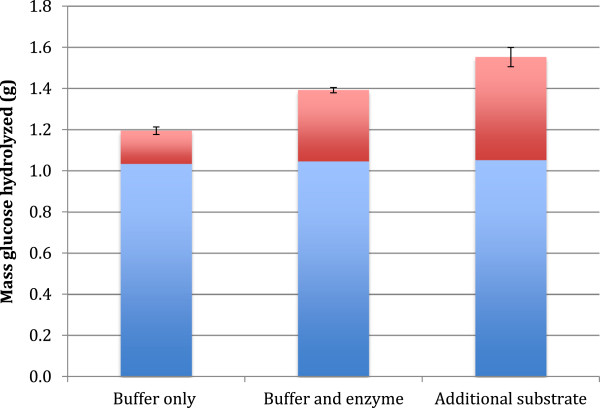
It is necessary to develop efficient methods to produce renewable fuels from lignocellulosic biomass. One of the main challenges to the industrialization of lignocellulose conversion processes is the large amount of cellulase enzymes used for the hydrolysis of cellulose. One method for decreasing the amount of enzyme used is to recycle the enzymes. In this study, the recycle of enzymes associated with the insoluble solid fraction after the enzymatic hydrolysis of cellulose was investigated for pretreated corn stover under a variety of recycling conditions.
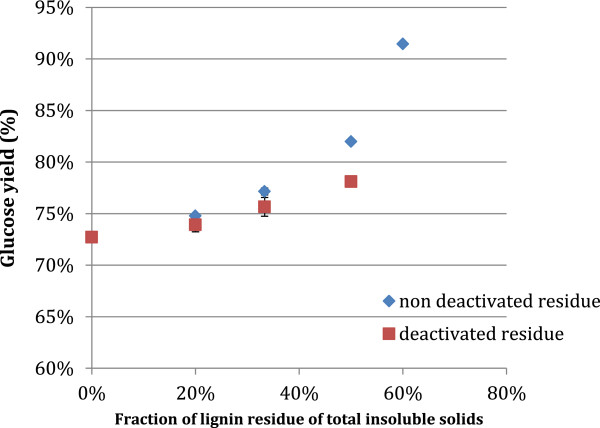
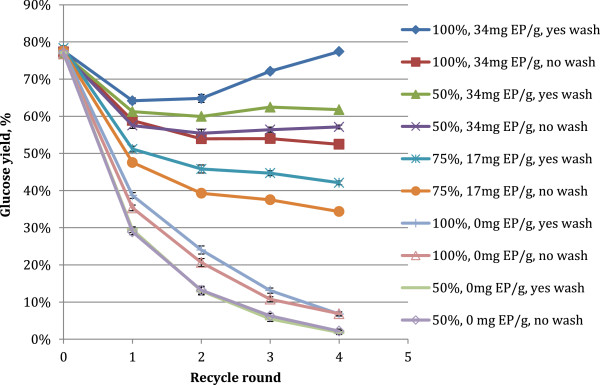
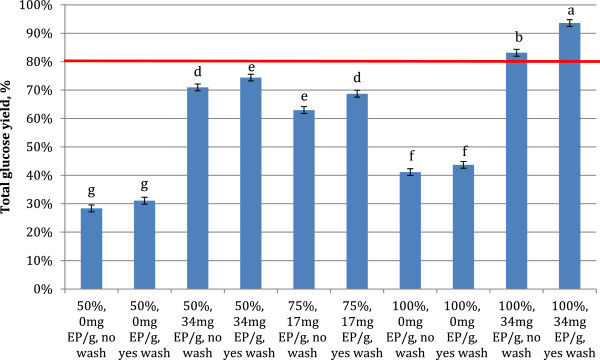
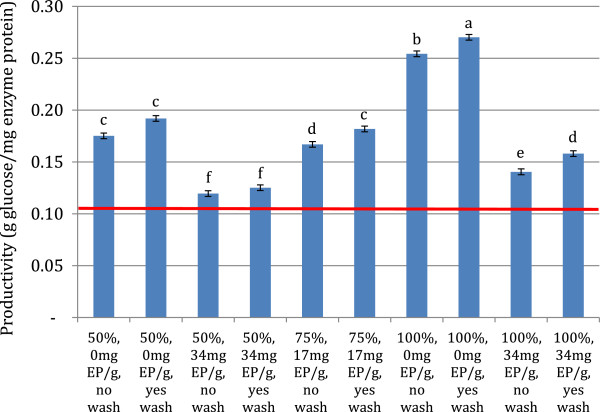
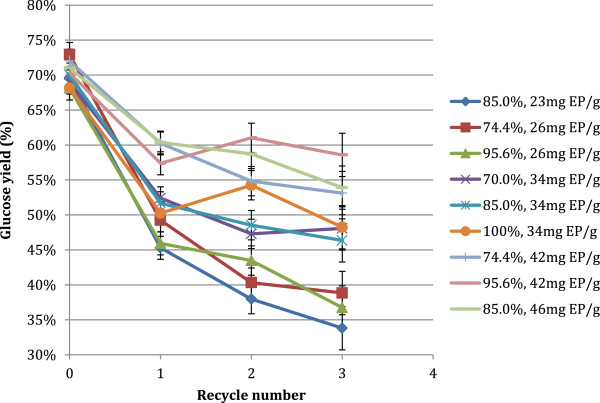
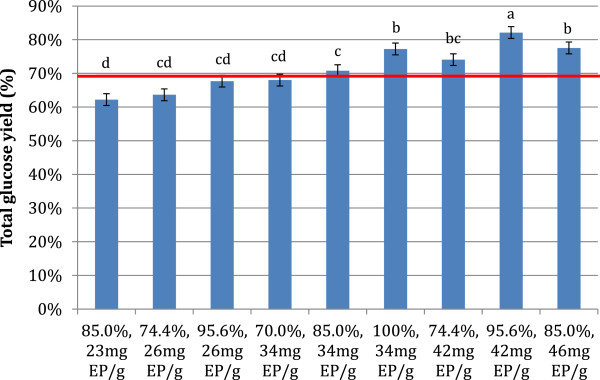
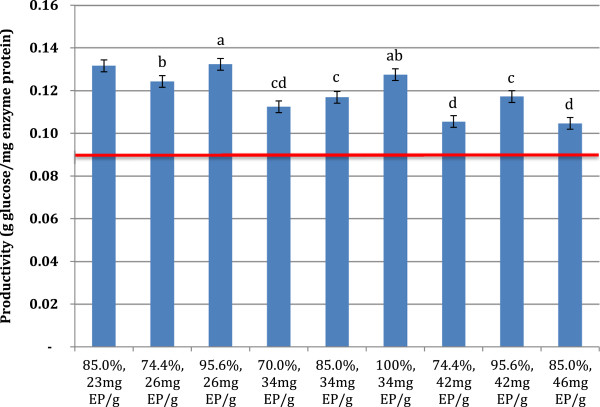
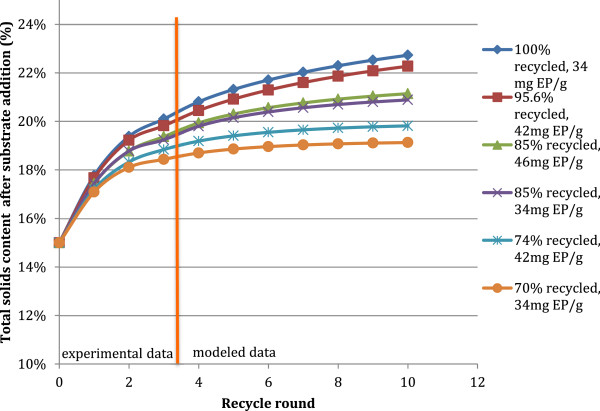
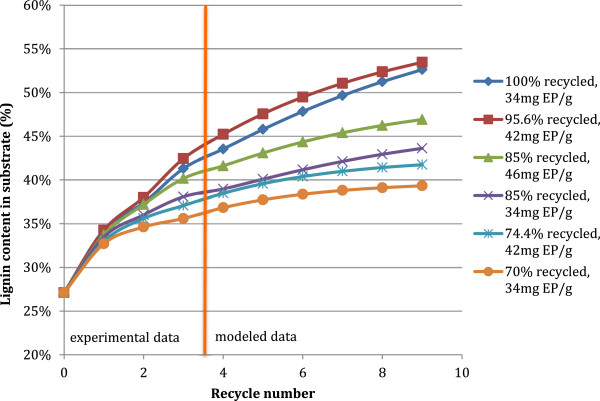
It was found that a significant amount of cellulase activity could be recovered by recycling the insoluble biomass fraction, and the enzyme dosage could be decreased by 30% to achieve the same glucose yields under the most favorable conditions. Enzyme productivity (g glucose produced/g enzyme applied) increased between 30 and 50% by the recycling, depending on the reaction conditions. While increasing the amount of solids recycled increased process performance, the methods applicability was limited by its positive correlation with increasing total solids concentrations, reaction volumes, and lignin content of the insoluble residue. However, increasing amounts of lignin rich residue during the recycle did not negatively impact glucose yields.
To take advantage of this effect, the amount of solids recycled should be maximized, based on a given processes ability to deal with higher solids concentrations and volumes. Recycling of enzymes by recycling the insoluble solids fraction was thus shown to be an effective method to decrease enzyme usage, and research should be continued for its industrial application.
有必要开发有效的方法,从木质纤维素生物质生产可再生燃料。木质纤维素转化过程工业化的主要挑战之一是用于纤维素水解的大量纤维素酶。减少所用酶量的一种方法是回收酶。在这项研究中,研究了在各种回收条件下,对预处理玉米秸秆进行纤维素酶水解后不溶性固体部分相关酶的回收。
研究发现,通过回收不溶性生物质部分,可以回收大量的纤维素酶活性,并且在最有利的条件下,酶用量可以减少 30%,以达到相同的葡萄糖产率。通过回收,酶生产率(每克酶应用产生的葡萄糖量)增加了 30%至 50%,具体取决于反应条件。虽然增加回收的固体量可以提高工艺性能,但该方法的适用性受到其与固含量增加、反应体积增加和不溶性残渣中木质素含量正相关的限制。然而,在回收过程中增加富含木质素的残渣量并不会对葡萄糖产率产生负面影响。
为了利用这种效果,应根据给定工艺处理更高固含量和体积的能力,最大化回收的固体量。因此,通过回收不溶性固体部分来回收酶是一种有效的降低酶用量的方法,应继续进行研究以实现其工业化应用。