Behavioural and Cognitive Neurosciences Institute and The Department of Psychology, University of Cambridge, Downing Street, Cambridge, CB2 3EB, UK.
Dis Model Mech. 2013 Mar;6(2):302-11. doi: 10.1242/dmm.010934. Epub 2013 Jan 25.
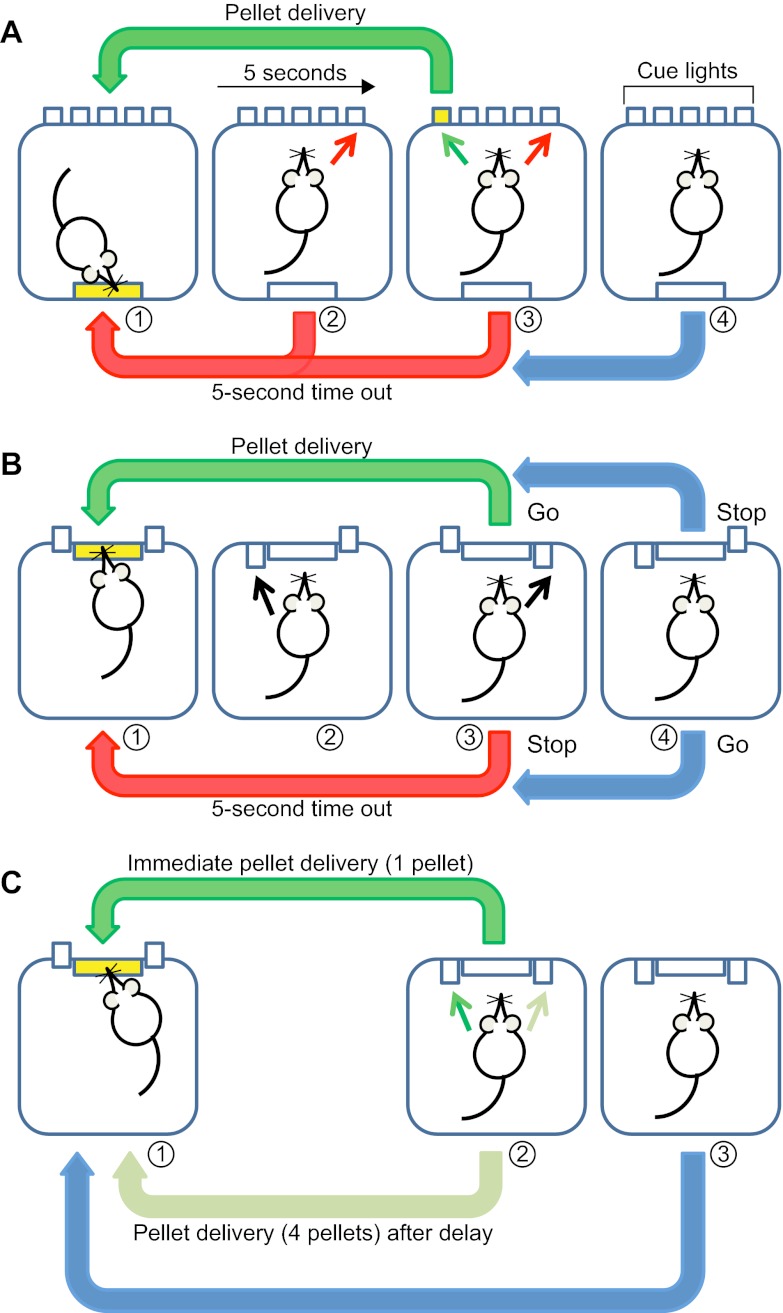
Impulsivity describes the tendency of an individual to act prematurely without foresight and is associated with a number of neuropsychiatric co-morbidities, including drug addiction. As such, there is increasing interest in the neurobiological mechanisms of impulsivity, as well as the genetic and environmental influences that govern the expression of this behaviour. Tests used on rodent models of impulsivity share strong parallels with tasks used to assess this trait in humans, and studies in both suggest a crucial role of monoaminergic corticostriatal systems in the expression of this behavioural trait. Furthermore, rodent models have enabled investigation of the causal relationship between drug abuse and impulsivity. Here, we review the use of rodent models of impulsivity for investigating the mechanisms involved in this trait, and how these mechanisms could contribute to the pathogenesis of addiction.
冲动性描述了个体在没有远见的情况下过早行动的倾向,与许多神经精神共病有关,包括药物成瘾。因此,人们对冲动性的神经生物学机制以及控制这种行为表达的遗传和环境影响越来越感兴趣。在冲动性啮齿动物模型上进行的测试与用于评估人类这种特征的任务具有很强的相似性,这两项研究都表明单胺能皮质纹状体系统在这种行为特征的表达中起着关键作用。此外,啮齿动物模型还使人们能够研究药物滥用和冲动性之间的因果关系。在这里,我们回顾了使用冲动性啮齿动物模型来研究涉及这种特征的机制,以及这些机制如何导致成瘾的发病机制。