Bone and Joint Research Group, University of Southampton, Southampton, United Kingdom.
PLoS One. 2013;8(1):e54957. doi: 10.1371/journal.pone.0054957. Epub 2013 Jan 28.
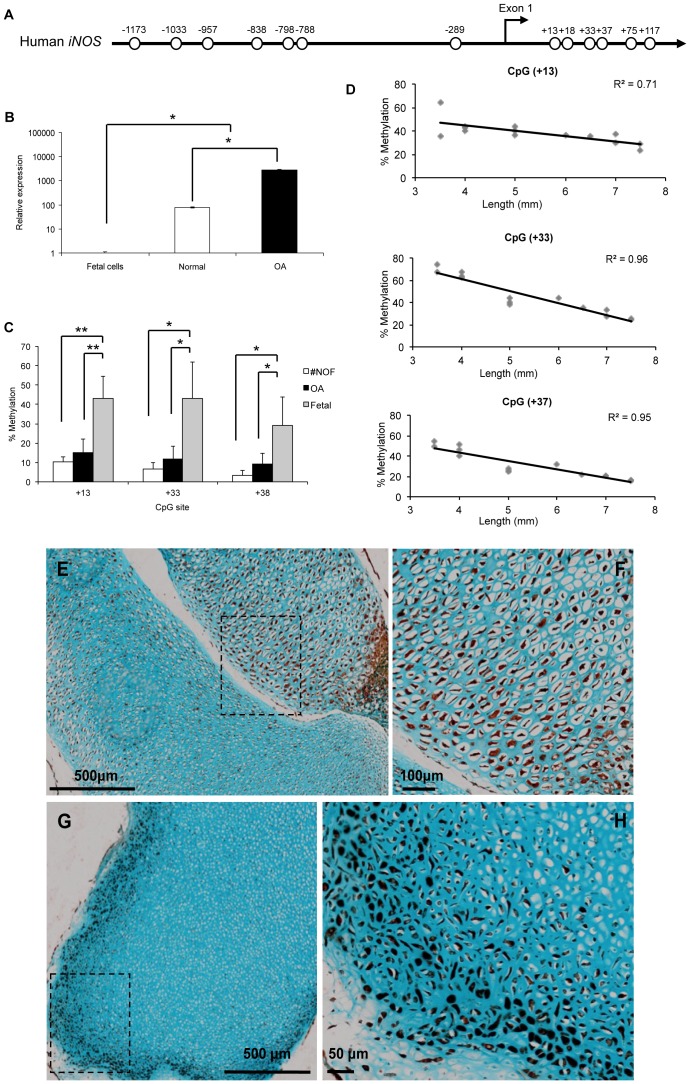
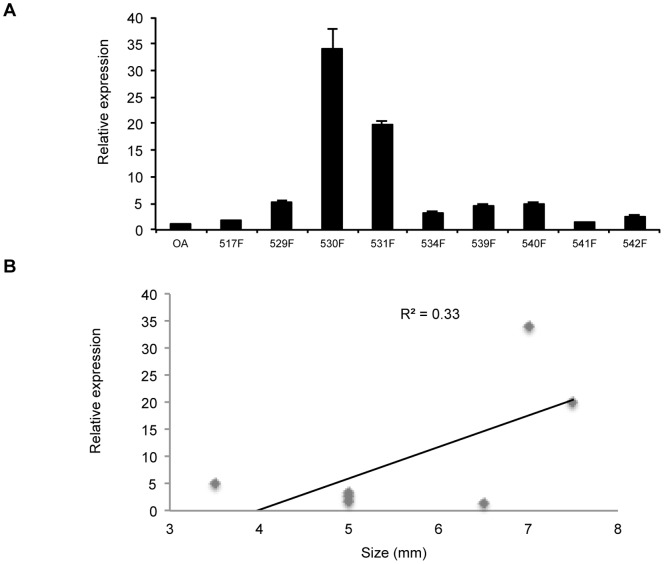
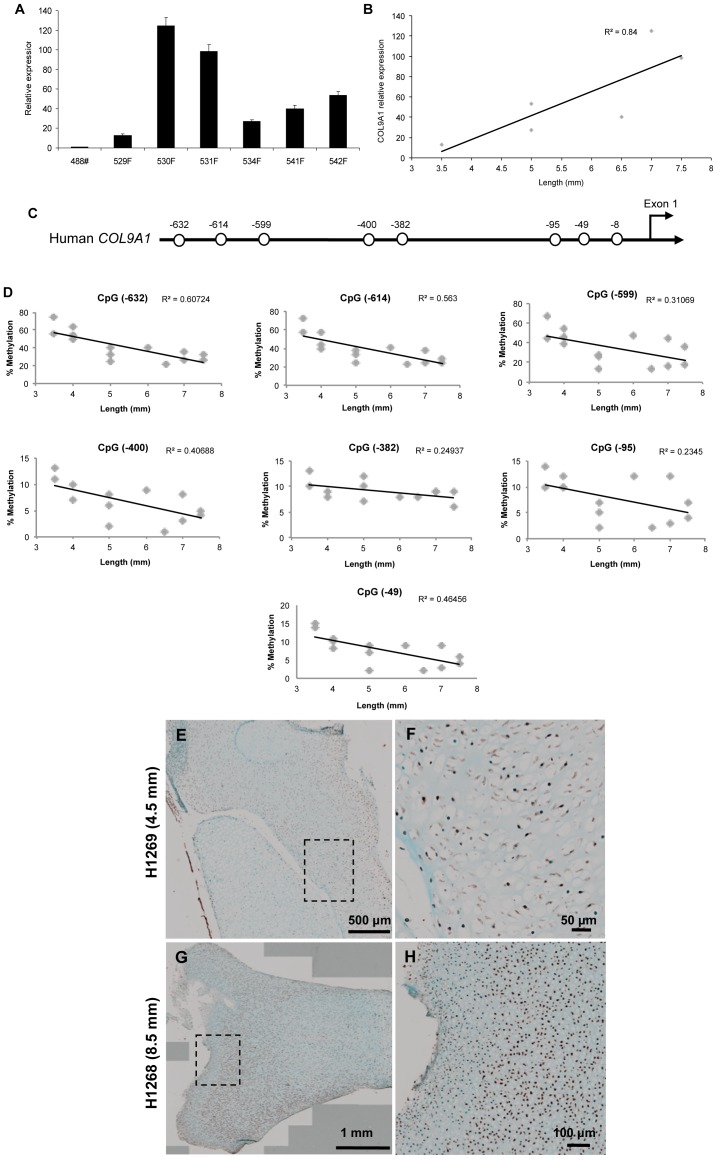
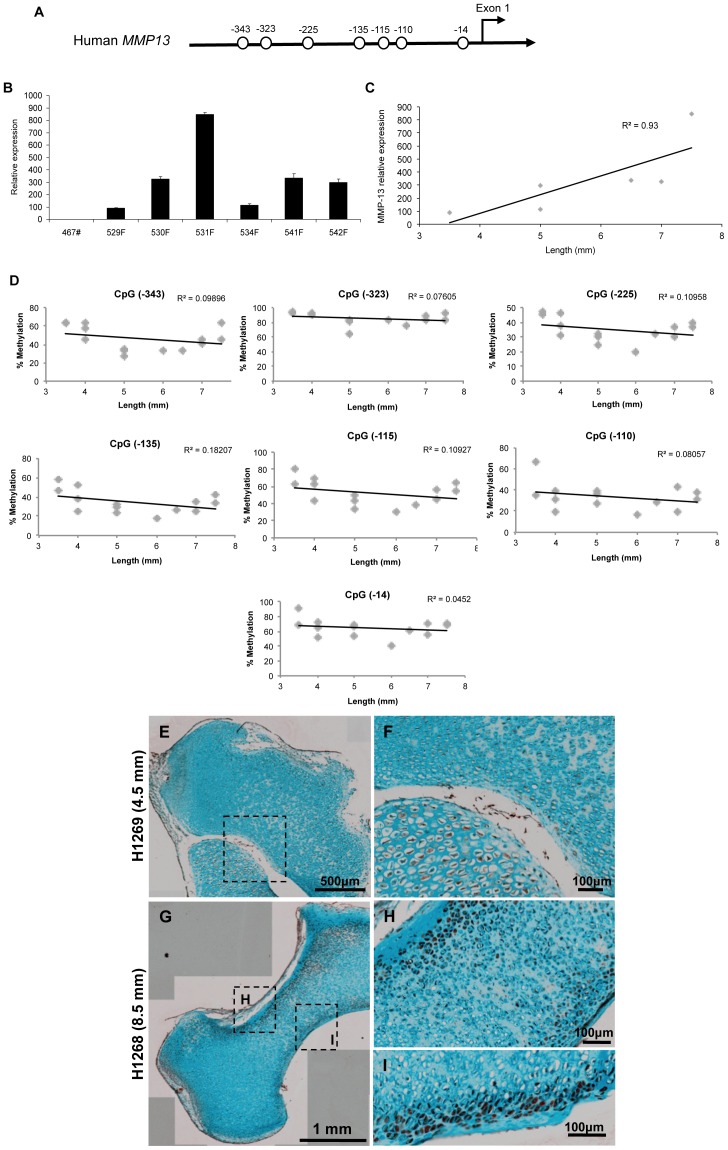
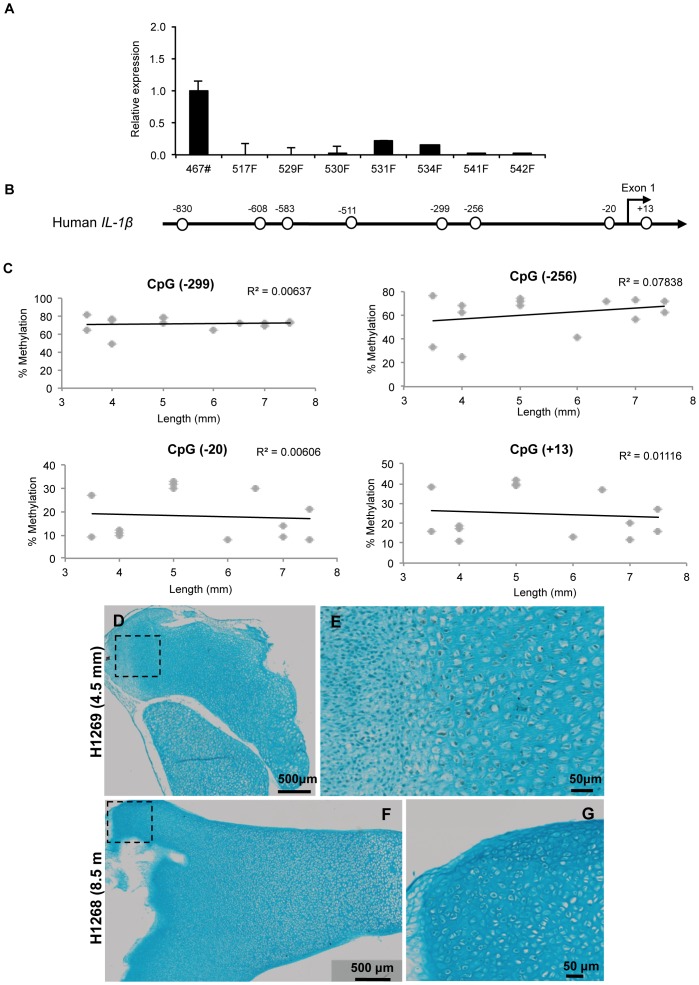
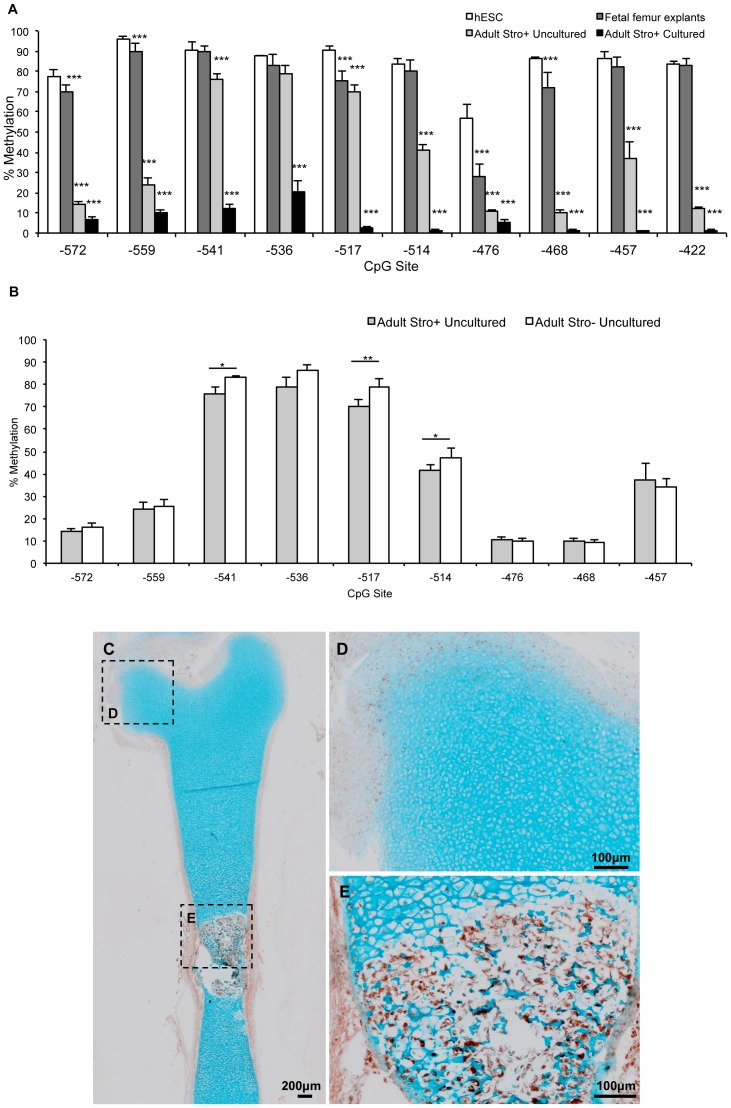
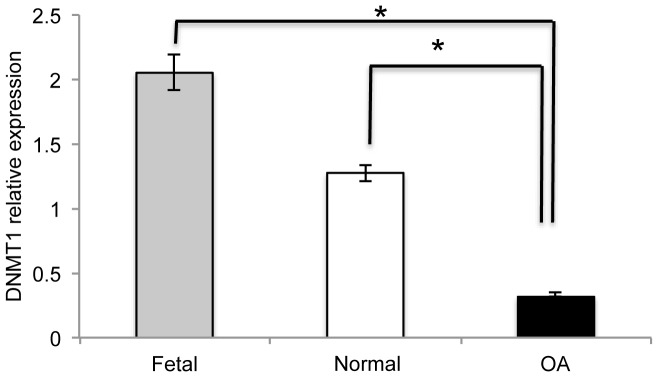
Epigenetic modifications are heritable changes in gene expression without changes in DNA sequence. DNA methylation has been implicated in the control of several cellular processes including differentiation, gene regulation, development, genomic imprinting and X-chromosome inactivation. Methylated cytosine residues at CpG dinucleotides are commonly associated with gene repression; conversely, strategic loss of methylation during development could lead to activation of lineage-specific genes. Evidence is emerging that bone development and growth are programmed; although, interestingly, bone is constantly remodelled throughout life. Using human embryonic stem cells, human fetal bone cells (HFBCs), adult chondrocytes and STRO-1(+) marrow stromal cells from human bone marrow, we have examined a spectrum of developmental stages of femur development and the role of DNA methylation therein. Using pyrosequencing methodology we analysed the status of methylation of genes implicated in bone biology; furthermore, we correlated these methylation levels with gene expression levels using qRT-PCR and protein distribution during fetal development evaluated using immunohistochemistry. We found that during fetal femur development DNA methylation inversely correlates with expression of genes including iNOS (NOS2) and COL9A1, but not catabolic genes including MMP13 and IL1B. Furthermore, significant demethylation was evident in the osteocalcin promoter between the fetal and adult developmental stages. Increased TET1 expression and decreased expression of DNA (cytosine-5-)-methyltransferase 1 (DNMT1) in adult chondrocytes compared to HFBCs could contribute to the loss of methylation observed during fetal development. HFBC multipotency confirms these cells to be an ideal developmental system for investigation of DNA methylation regulation. In conclusion, these findings demonstrate the role of epigenetic regulation, specifically DNA methylation, in bone development, informing and opening new possibilities in development of strategies for bone repair/tissue engineering.
表观遗传修饰是指基因表达的可遗传变化,而不涉及 DNA 序列的改变。DNA 甲基化与包括分化、基因调控、发育、基因组印记和 X 染色体失活在内的几个细胞过程的控制有关。在 CpG 二核苷酸处的甲基化胞嘧啶残基通常与基因抑制有关;相反,在发育过程中策略性地失去甲基化可能导致谱系特异性基因的激活。有证据表明骨骼发育和生长是有计划的;尽管有趣的是,骨骼在整个生命周期中都在不断重塑。使用人胚胎干细胞、人胎儿骨细胞 (HFBC)、成人软骨细胞和来自人骨髓的 STRO-1(+)骨髓基质细胞,我们检查了股骨发育的一系列发育阶段以及 DNA 甲基化在其中的作用。我们使用焦磷酸测序方法分析了与骨生物学相关的基因的甲基化状态;此外,我们使用 qRT-PCR 分析了这些甲基化水平与基因表达水平之间的相关性,并使用免疫组织化学评估了胎儿发育过程中的蛋白质分布。我们发现,在胎儿股骨发育过程中,DNA 甲基化与包括 iNOS(NOS2)和 COL9A1 在内的基因的表达呈负相关,但与包括 MMP13 和 IL1B 在内的分解代谢基因无关。此外,在胎儿和成人发育阶段之间,骨钙素启动子的去甲基化非常明显。与 HFBC 相比,成人软骨细胞中 TET1 表达增加和 DNA(胞嘧啶-5)-甲基转移酶 1(DNMT1)表达减少,可能导致在胎儿发育过程中观察到的甲基化丢失。HFBC 的多能性证实这些细胞是研究 DNA 甲基化调控的理想发育系统。总之,这些发现表明了表观遗传调控,特别是 DNA 甲基化,在骨骼发育中的作用,为骨骼修复/组织工程策略的发展提供了信息并开辟了新的可能性。