Department of Veterinary and Animal Sciences, University of Massachusetts, Amherst, Massachusetts, United States of America.
PLoS One. 2013;8(2):e56025. doi: 10.1371/journal.pone.0056025. Epub 2013 Feb 6.
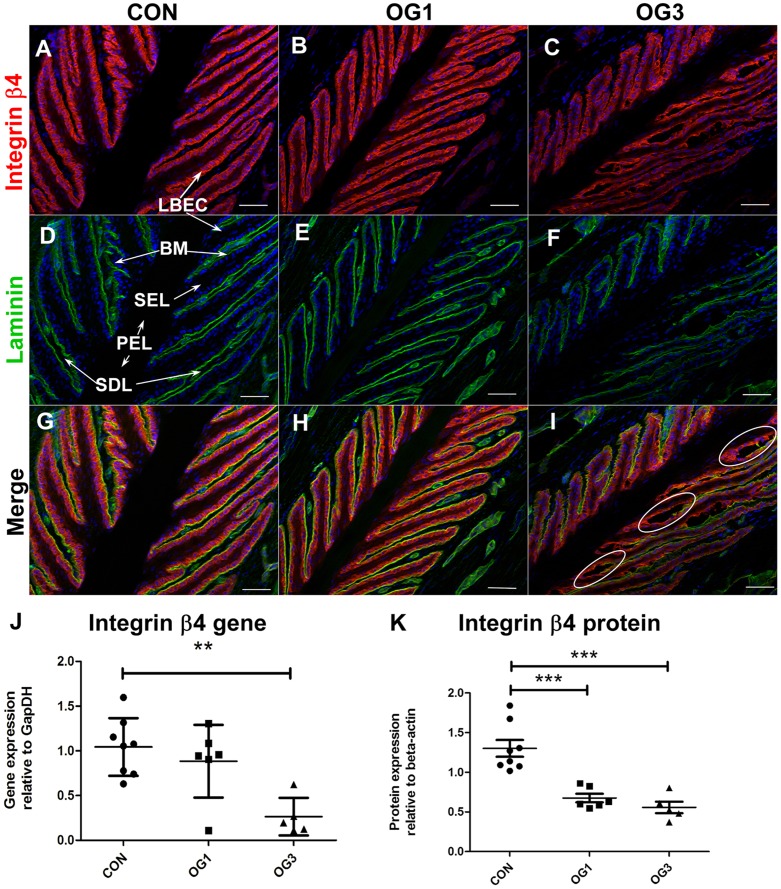
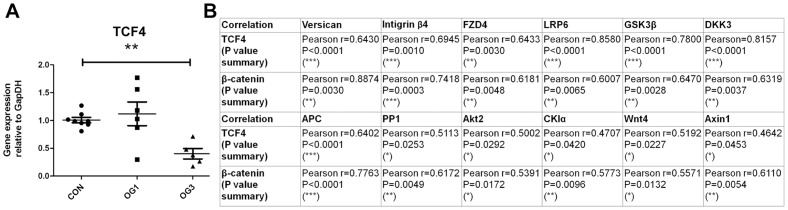
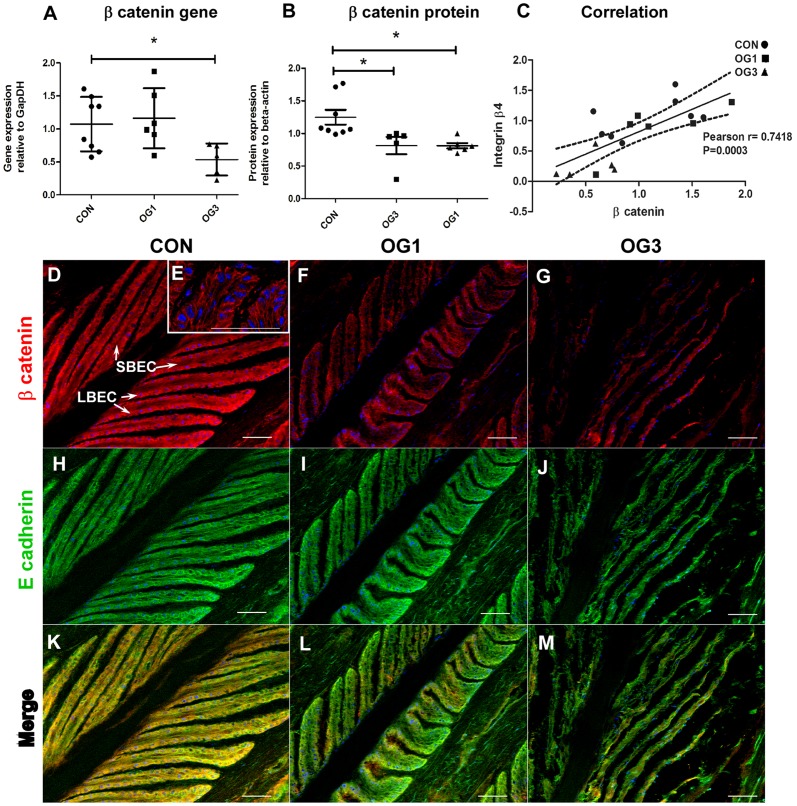
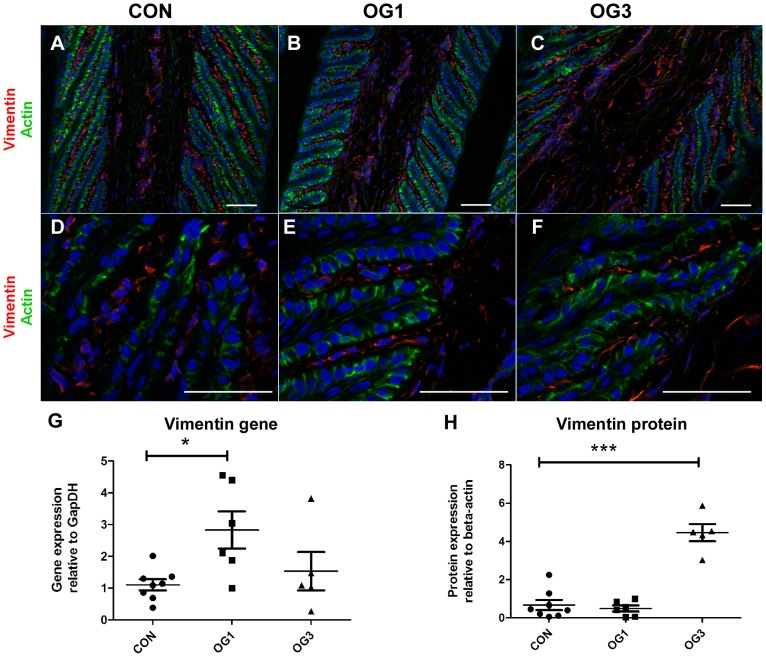
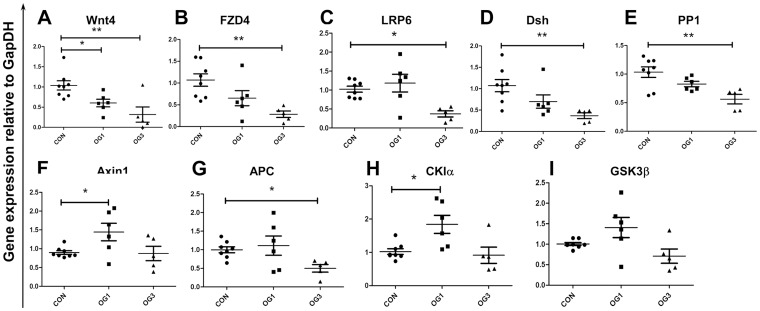
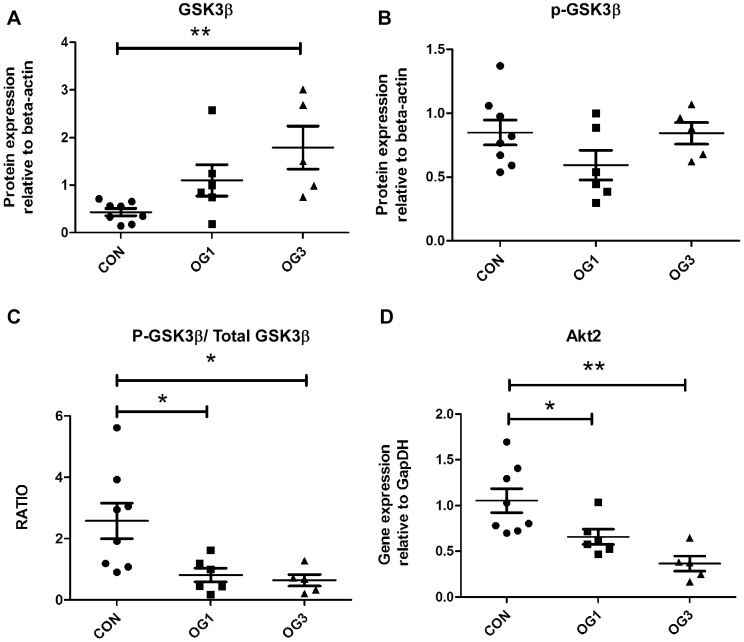
The digital laminae is a two layer tissue that attaches the distal phalanx to the inner hoof wall, thus suspending the horse's axial skeleton in the hoof capsule. This tissue fails at the epidermal:dermal junction in laminitic horses, causing crippling disease. Basal epithelial cells line the laminar epidermal:dermal junction, undergo physiological change in laminitic horses, and lose versican gene expression. Versican gene expression is purportedly under control of the canonical Wnt signaling pathway and is a trigger for mesenchymal-to-epithelial transition; thus, its repression in laminar epithelial cells of laminitic horses may be associated with suppression of the canonical Wnt signaling pathway and loss of the epithelial cell phenotype. In support of the former contention, we show, using laminae from healthy horses and horses with carbohydrate overload-induced laminitis, quantitative real-time polymerase chain reaction, Western blotting after sodium dodecylsulfate polyacrylamide gel electrophoresis, and immunofluorescent tissue staining, that positive and negative regulatory components of the canonical Wnt signaling pathway are expressed in laminar basal epithelial cells of healthy horses. Furthermore, expression of positive regulators is suppressed and negative regulators elevated in laminae of laminitic compared to healthy horses. We also show that versican gene expression in the epithelial cells correlates positively with that of β-catenin and T-cell Factor 4, consistent with regulation by the canonical Wnt signaling pathway. In addition, gene and protein expression of β-catenin correlates positively with that of integrin β4 and both are strongly suppressed in laminar basal epithelial cells of laminitic horses, which remain E-cadherin(+)/vimentin(-), excluding mesenchymal transition as contributing to loss of the adherens junction and hemidesmosome components. We propose that suppression of the canonical Wnt signaling pathway, and accompanying reduced expression of β catenin and integrin β4 in laminar basal epithelial cells reduces cell:cell and cell:basement membrane attachment, thus, destabilizing the laminar epidermal:dermal junction.
数字层是附着于远节指骨和内蹄壁之间的双层组织,从而将马的轴性骨骼悬置于蹄囊中。在蹄叶炎马中,该组织在表皮-真皮交界处发生断裂,导致严重的疾病。基底上皮细胞排列在层状表皮-真皮交界处,在蹄叶炎马中经历生理变化,并丧失 versican 基因表达。据称,versican 基因表达受经典 Wnt 信号通路的控制,是间充质向上皮转化的触发因素;因此,在蹄叶炎马的层状上皮细胞中抑制 versican 基因表达可能与经典 Wnt 信号通路的抑制和上皮细胞表型的丧失有关。为了支持前一论点,我们使用来自健康马和碳水化合物过载诱导的蹄叶炎马的蹄叶,通过定量实时聚合酶链反应、十二烷基硫酸钠聚丙烯酰胺凝胶电泳后的 Western 印迹和免疫荧光组织染色,显示经典 Wnt 信号通路的正调控和负调控成分在健康马的层状基底上皮细胞中表达。此外,与健康马相比,正调控因子的表达在蹄叶炎马的蹄叶中受到抑制,而负调控因子的表达升高。我们还表明,上皮细胞中的 versican 基因表达与β-连环蛋白和 T 细胞因子 4 的表达呈正相关,与经典 Wnt 信号通路的调节一致。此外,β-连环蛋白的基因和蛋白表达与整合素β4 的表达呈正相关,并且在蹄叶炎马的层状基底上皮细胞中均强烈受到抑制,这些细胞仍然为 E-钙粘蛋白(+)/波形蛋白(-),排除了间充质转化是导致黏着连接和半桥粒成分丧失的原因。我们提出,经典 Wnt 信号通路的抑制以及伴随的层状基底上皮细胞中β-连环蛋白和整合素β4 的表达降低,减少了细胞-细胞和细胞-基底膜的附着,从而使层状表皮-真皮交界处不稳定。