Faculty of Health Sciences, Department of Pharmacy and Pharmacology, University of the Witwatersrand, Johannesburg, Gauteng, South Africa.
Int J Nanomedicine. 2013;8:505-20. doi: 10.2147/IJN.S38011. Epub 2013 Feb 4.
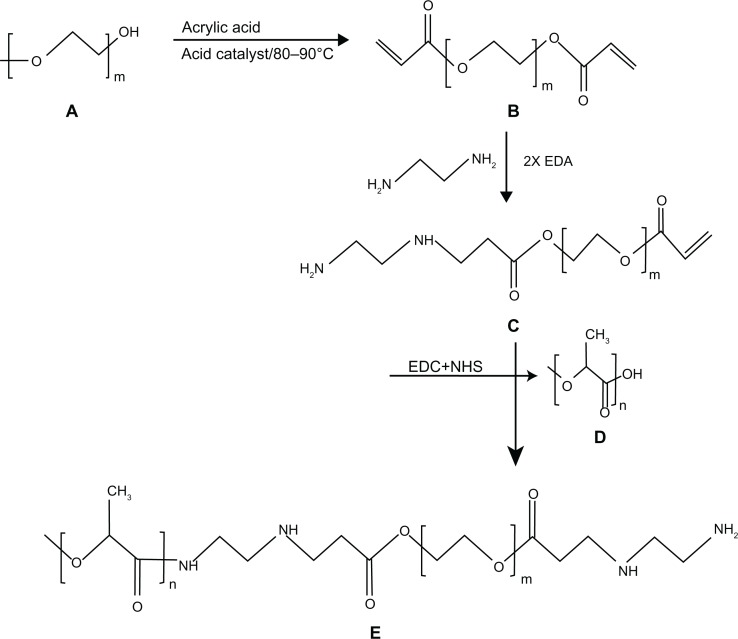
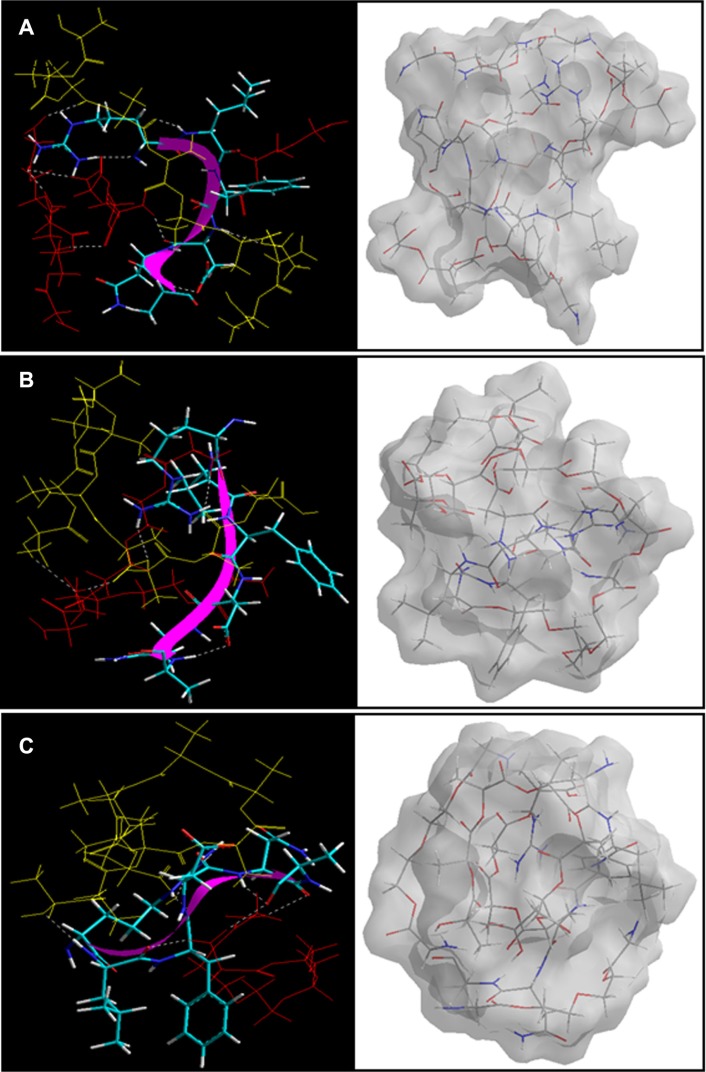
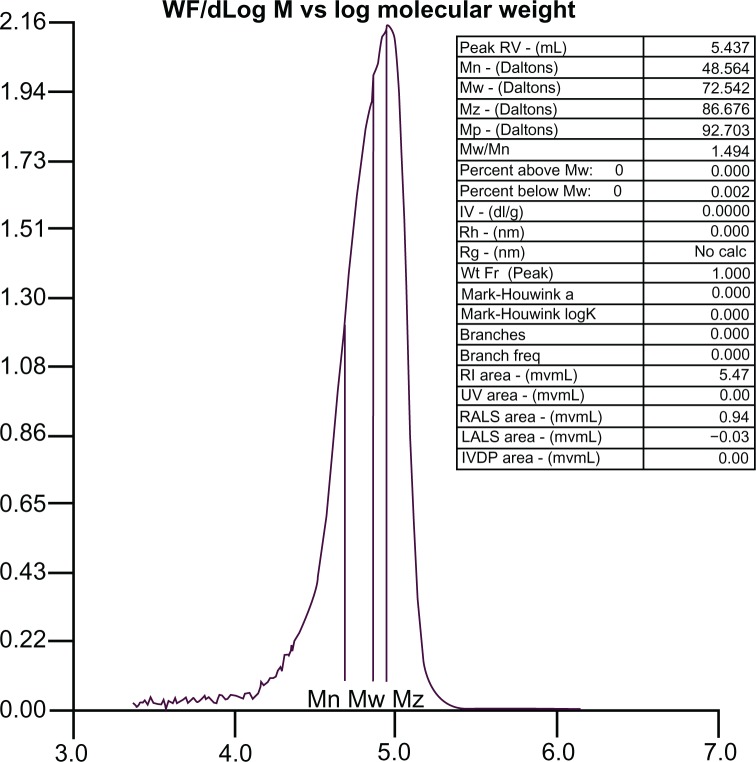
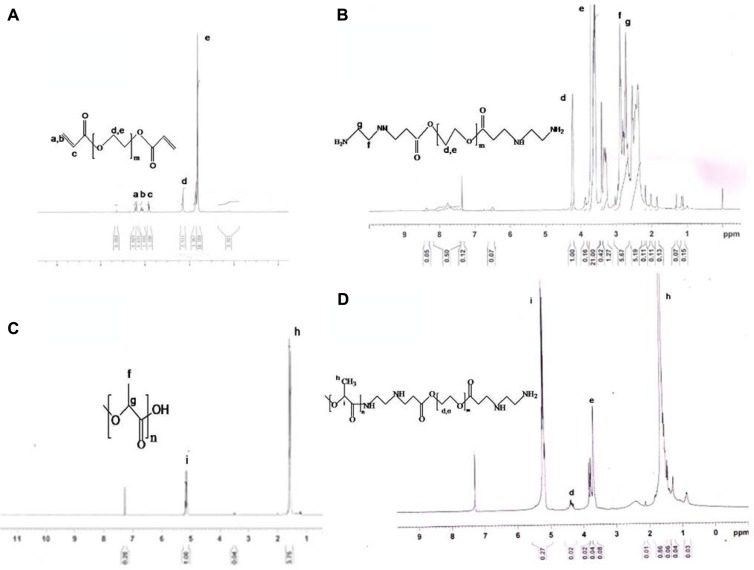
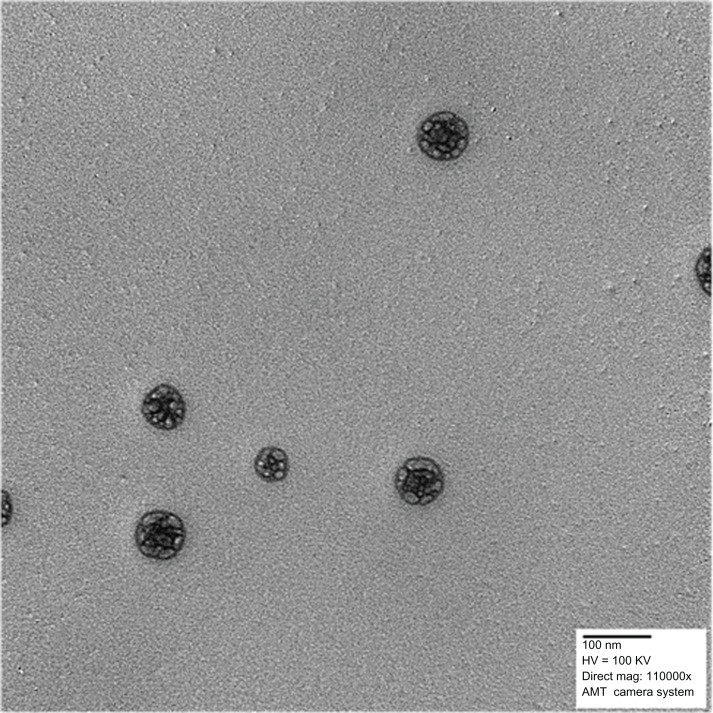
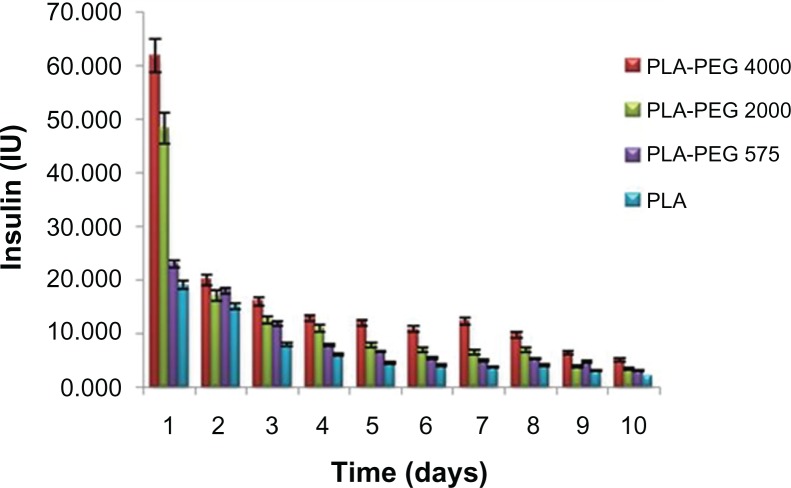
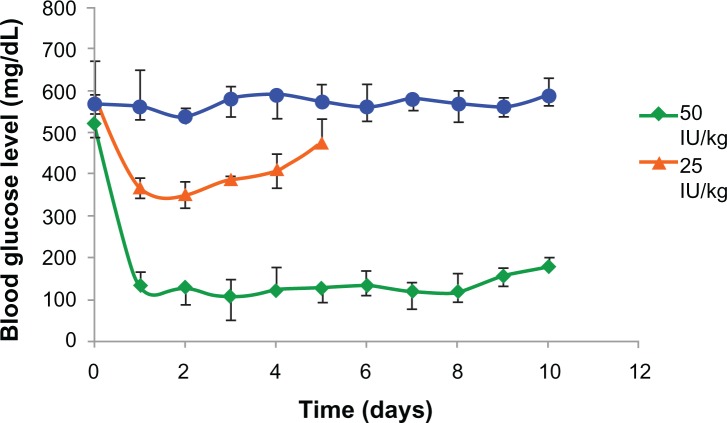
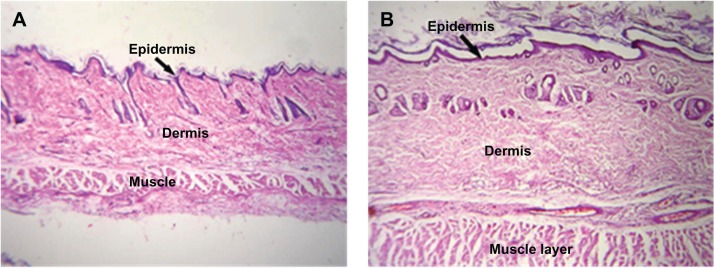
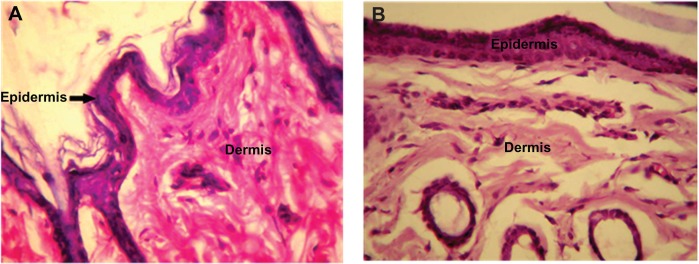
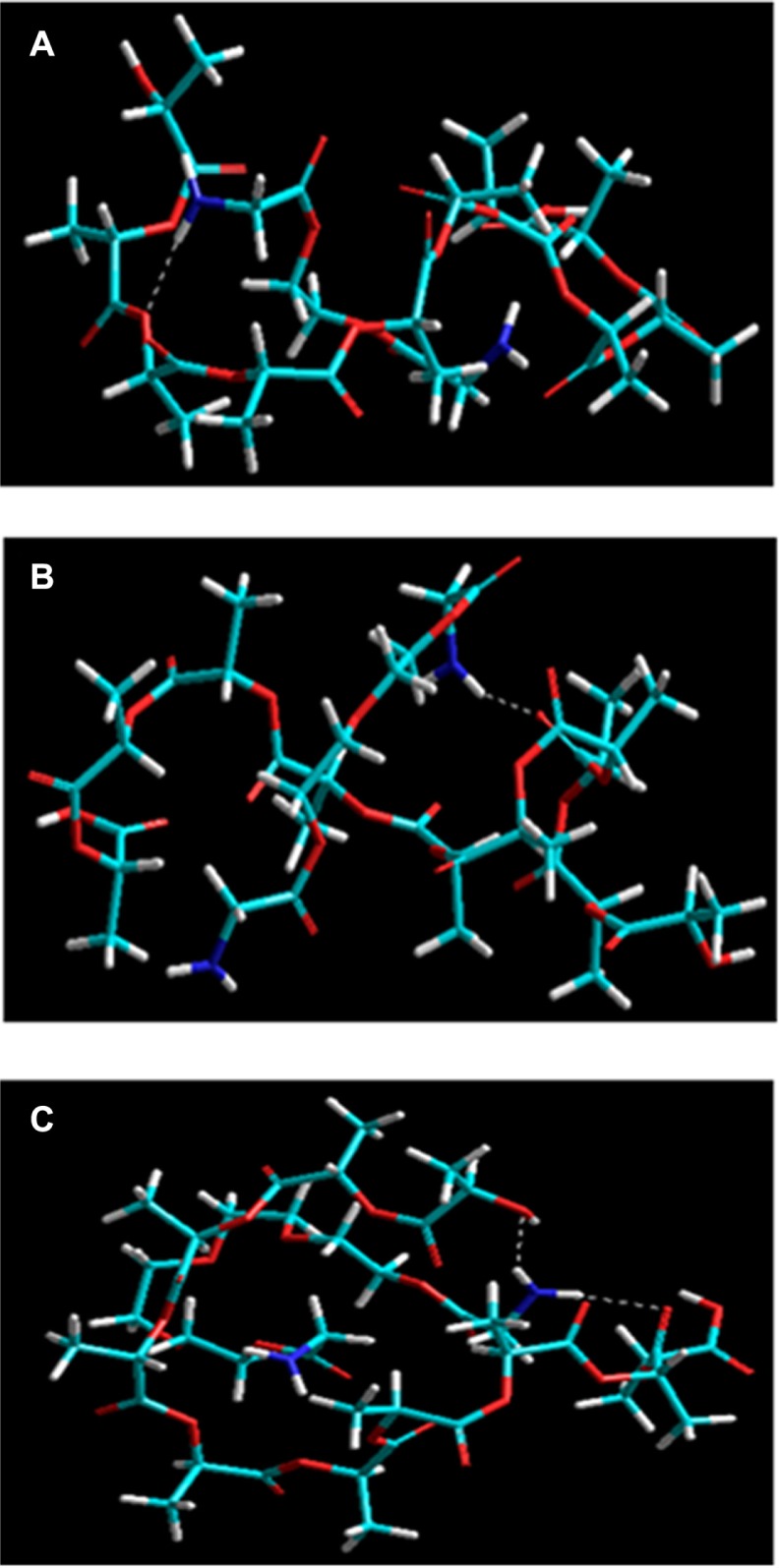
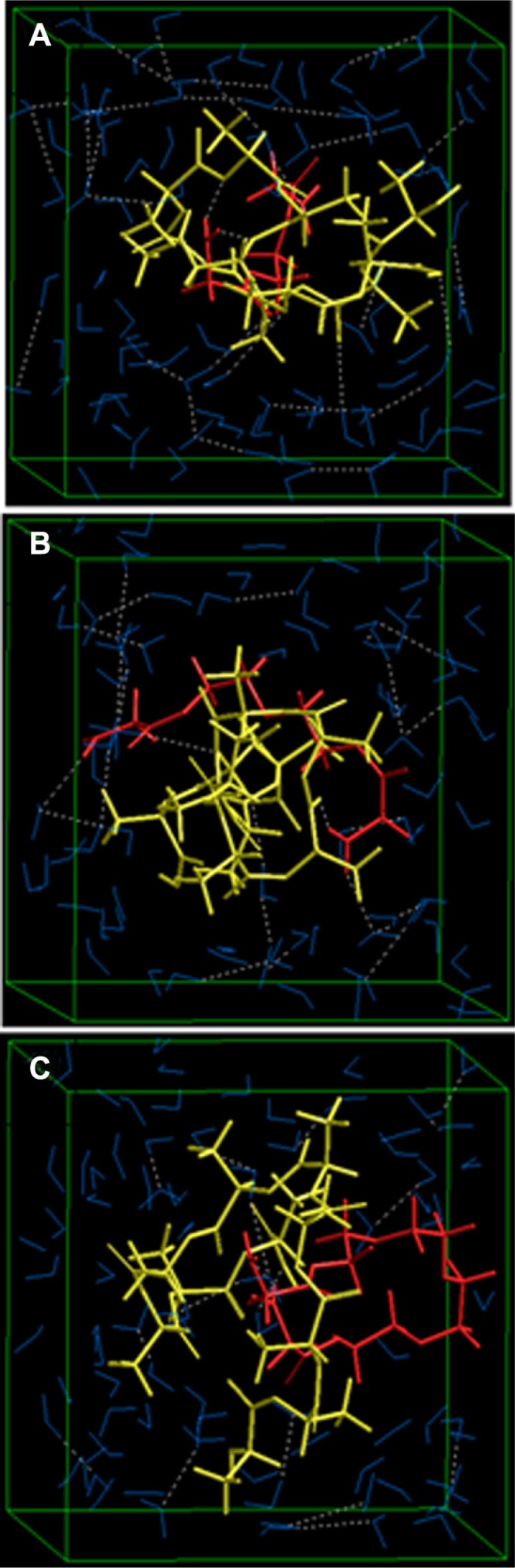
Poly(ethylene glycol) (PEG) and polylactic acid (PLA)-based copolymeric nanoparticles were synthesized and investigated as a carrier for prolonged delivery of insulin via the parenteral route. Insulin loading was simultaneously achieved with particle synthesis using a double emulsion solvent evaporation technique, and the effect of varied PEG chain lengths on particle size and insulin loading efficiency was determined. The synthesized copolymer and nanoparticles were analyzed by standard polymer characterization techniques of gel permeation chromatography, dynamic light scattering, nuclear magnetic resonance, and transmission electron microscopy. In vitro insulin release studies performed under simulated conditions provided a near zero-order release pattern up to 10 days. In vivo animal studies were undertaken with varied insulin loads of nanoparticles administered subcutaneously to fed diabetic rabbits and, of all doses administered, nanoparticles containing 50 IU of insulin load per kg body weight controlled the blood glucose level within the physiologically normal range of 90-140 mg/dL, and had a prolonged effect for more than 7 days. Histopathological evaluation of tissue samples from the site of injection showed no signs of inflammation or aggregation, and established the nontoxic nature of the prepared copolymeric nanoparticles. Further, the reaction profiles for PLA-COOH and NH(2)-PEGDA-NH(2) were elucidated using molecular mechanics energy relationships in vacuum and in a solvated system by exploring the spatial disposition of various concentrations of polymers with respect to each other. Incorporation of insulin within the polymeric matrix was modeled using Connolly molecular surfaces. The computational results corroborated the experimental and analytical data. The ability to control blood glucose levels effectively coupled with the nontoxic behavior of the nanoparticles indicates that these nanoparticles are a potential candidate for insulin delivery.
聚乙二醇(PEG)和聚乳酸(PLA)基共聚物纳米粒子被合成并研究作为一种载体,通过肠外途径延长胰岛素的递送。使用双重乳液溶剂蒸发技术在颗粒合成过程中同时实现胰岛素负载,并且确定了PEG 链长对粒径和胰岛素负载效率的影响。使用凝胶渗透色谱、动态光散射、核磁共振和透射电子显微镜等标准聚合物特性技术分析合成的共聚物和纳米粒子。在模拟条件下进行的体外胰岛素释放研究提供了近零阶释放模式,持续 10 天。在皮下给予 fed 糖尿病兔不同胰岛素负荷的纳米粒子的体内动物研究中,所有给予的剂量中,含有 50IU 胰岛素负荷/公斤体重的纳米粒子将血糖水平控制在生理正常范围内 90-140mg/dL,并且具有超过 7 天的延长作用。注射部位组织样本的组织病理学评估显示没有炎症或聚集的迹象,证明了所制备的共聚物纳米粒子的非毒性。此外,通过探索聚合物在彼此之间的不同浓度的空间排列,使用真空和溶剂化系统中的分子力学能量关系阐明了 PLA-COOH 和 NH2-PEGDA-NH2 的反应曲线。使用 Connolly 分子表面对聚合物基质内的胰岛素进行建模。计算结果与实验和分析数据相符。有效控制血糖水平的能力以及纳米粒子的无毒行为表明,这些纳米粒子是胰岛素递送的潜在候选物。