Department of Material Science and Engineering, Massachusetts Institute of Technology, 77 Massachusetts Avenue, Cambridge, Massachusetts 02139, USA.
Biomacromolecules. 2013 Apr 8;14(4):1093-102. doi: 10.1021/bm3019906. Epub 2013 Mar 11.
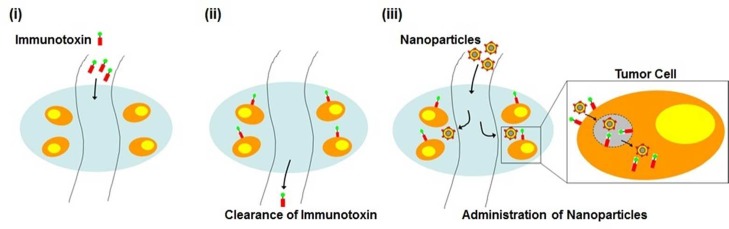
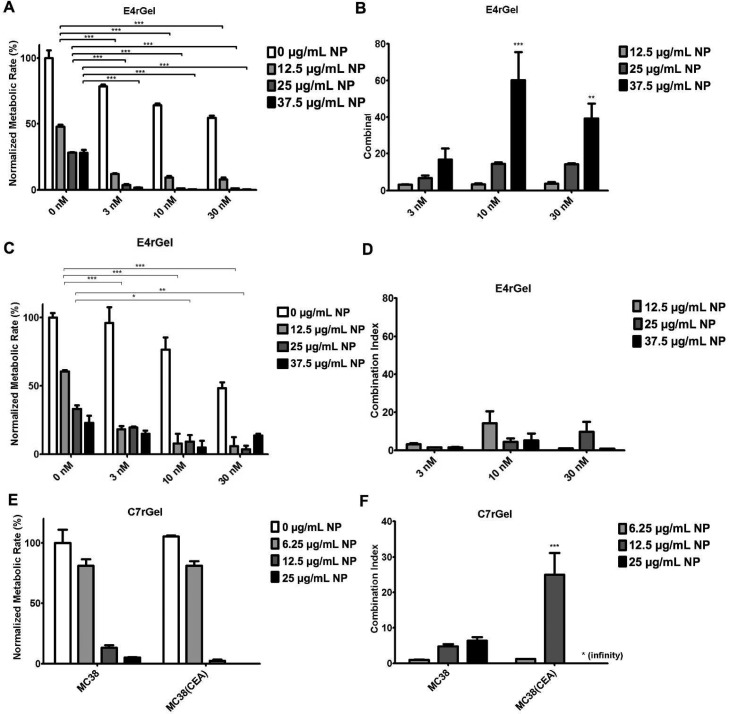
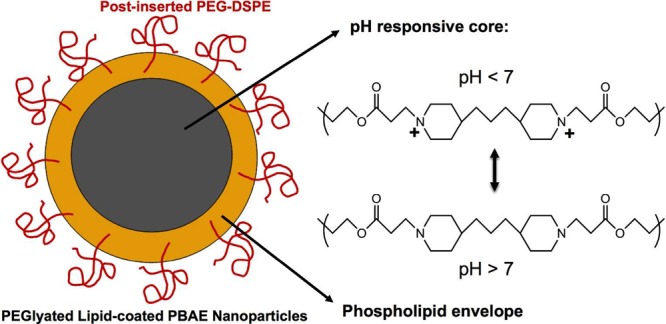
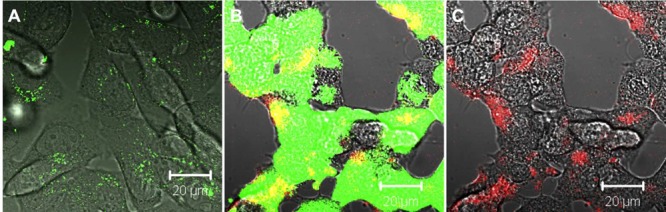
Plant-derived Type I toxins are candidate anticancer therapeutics requiring cytosolic delivery into tumor cells. We tested a concept for two-stage delivery, whereby tumor cells precoated with an antibody-targeted gelonin toxin were killed by exposure to endosome-disrupting polymer nanoparticles. Co-internalization of particles and tumor cell-bound gelonin led to cytosolic delivery and >50-fold enhancement of toxin efficacy. This approach allows the extreme potency of gelonin to be focused on tumors with significantly reduced potential for off-target toxicity.
植物来源的 I 型毒素是候选的抗癌治疗药物,需要细胞质内递送到肿瘤细胞中。我们测试了一种两阶段递药的概念,即用抗体靶向蓖麻毒素的肿瘤细胞预先包被,然后用破坏内体的聚合物纳米颗粒进行杀伤。颗粒和肿瘤细胞结合的蓖麻毒素共同内吞导致细胞质内递药,毒素效力增强 50 多倍。这种方法使蓖麻毒素的极端效力集中在肿瘤上,同时显著降低了脱靶毒性的可能性。