Centre of Molecular and Environmental Biology (CBMA), Department of Biology, University of Minho, Campus de Gualtar, 4710-057, Braga, Portugal.
Microb Cell Fact. 2013 Feb 27;12:21. doi: 10.1186/1475-2859-12-21.
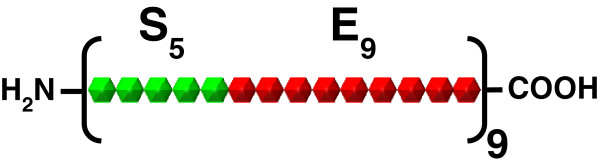
Silk-elastin-like proteins (SELPs) combining the physicochemical and biological properties of silk and elastin have a high potential for use in the pharmaceutical, regenerative medicine and materials fields. Their development for use is however restrained by their production levels. Here we describe the batch production optimisation for a novel recently described SELP in the pET-E. coli BL21(DE3) expression system. Both a comprehensive empirical approach examining all process variables (media, induction time and period, temperature, pH, aeration and agitation) and a detailed characterisation of the bioprocess were carried out in an attempt to maximise production with this system.
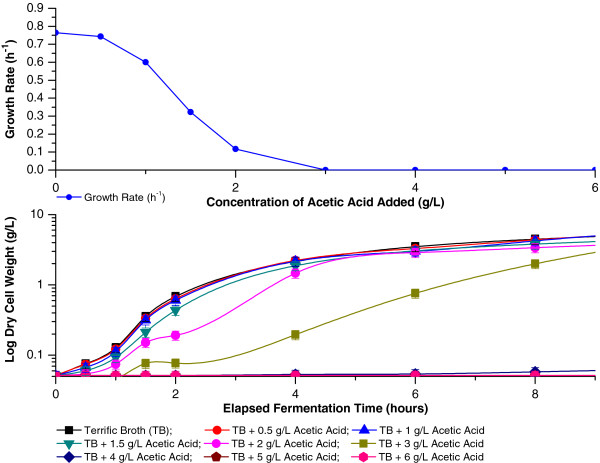
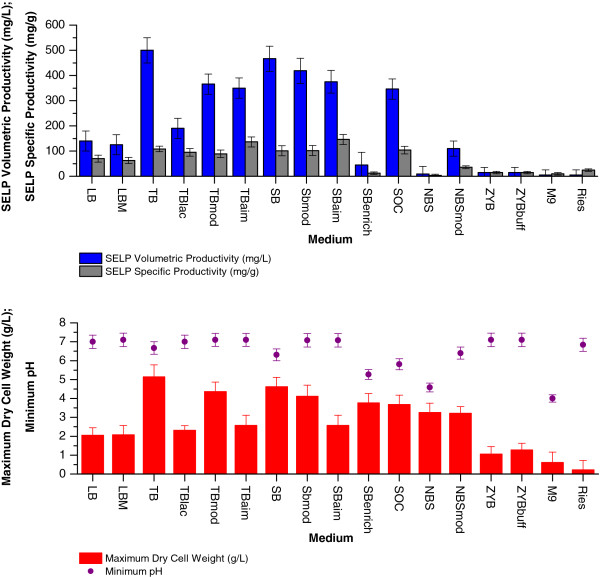
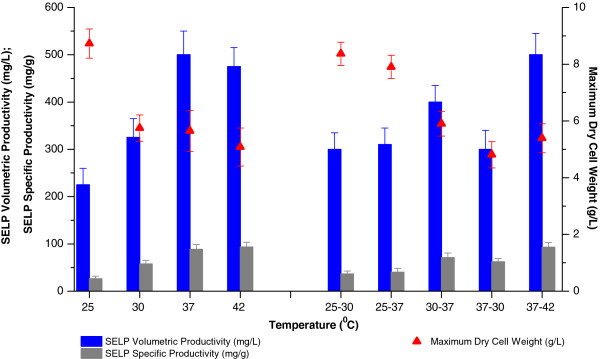
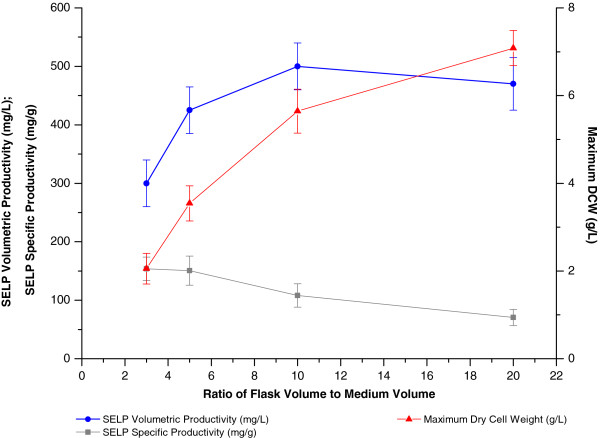
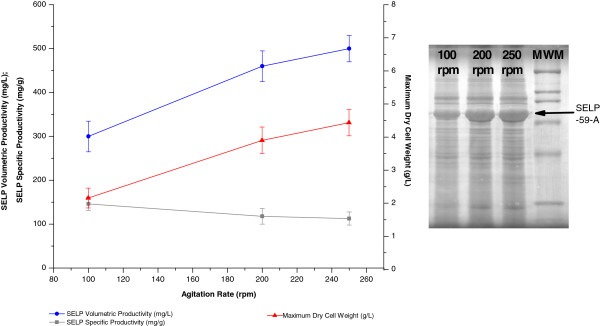
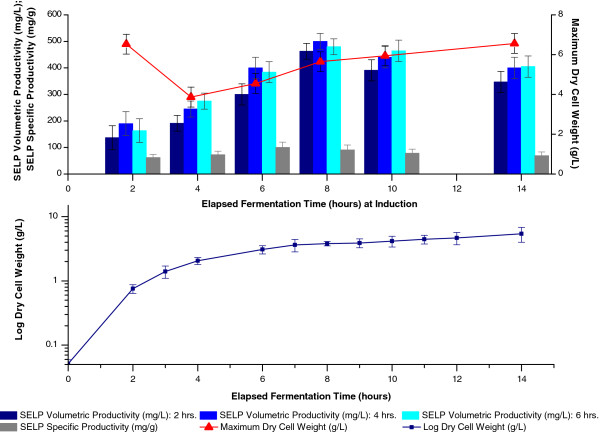
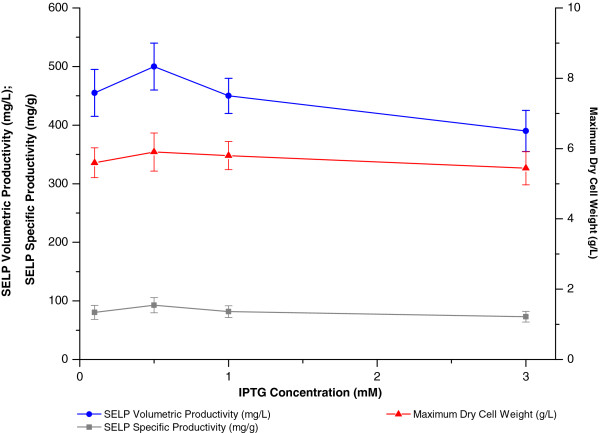
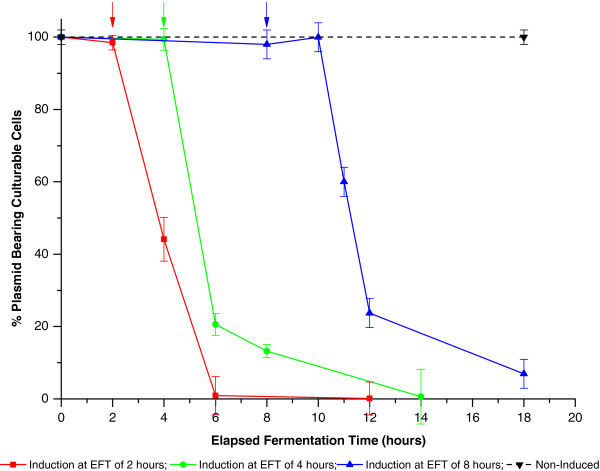
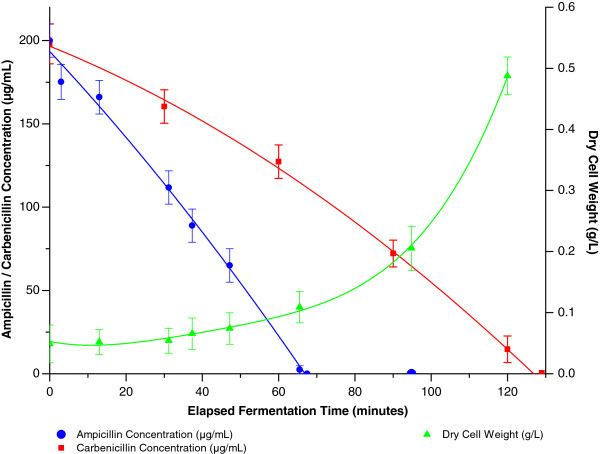
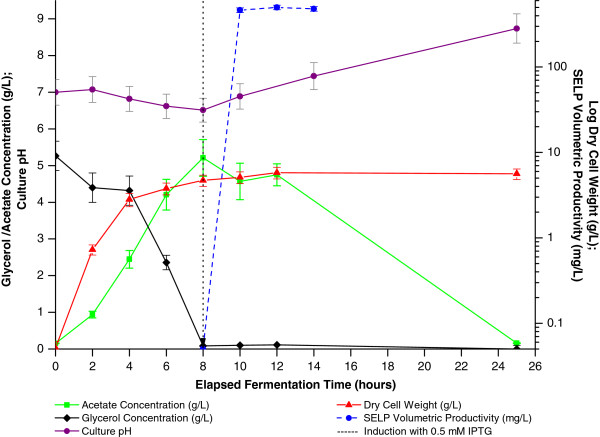
This study shows that maximum SELP volumetric production is achieved at 37°C using terrific broth at pH 6-7.5, a shake flask volume to medium volume ratio of 10:1 and an agitation speed of 200 rpm. Maximum induction is attained at the beginning of the stationary phase with 0.5 mM IPTG and an induction period of at least 4 hours. We show that the selection agents ampicillin and carbenicillin are rapidly degraded early in the cultivation and that plasmid stability decreases dramatically on induction. Furthermore, acetate accumulates during the bioprocess to levels which are shown to be inhibitory to the host cells. Using our optimised conditions, 500 mg/L of purified SELP was obtained.
We have identified the optimal conditions for the shake flask production of a novel SELP with the final production levels obtained being the highest reported to date. While this study is focused on SELPs, we believe that it could also be of general interest to any study where the pET (ampicillin selective marker)-E. coli BL21(DE3) expression system is used. In particular, we show that induction time is critical in this system with, in contrast to that which is generally believed, optimal production being obtained by induction at the beginning of the stationary phase. Furthermore, we believe that we are at or near the maximum productivity for the system used, with rapid degradation of the selective agent by plasmid encoded β-lactamase, plasmid instability on induction and high acetate production levels being the principal limiting factors for further improved production.
丝弹性蛋白样蛋白(SELPs)结合了丝和弹性蛋白的物理化学和生物学特性,具有在制药、再生医学和材料领域应用的巨大潜力。然而,它们的开发受到生产水平的限制。在这里,我们描述了一种新型 SELP 在 pET-E. coli BL21(DE3) 表达系统中的批量生产优化。我们采用了一种全面的经验方法来研究所有过程变量(培养基、诱导时间和周期、温度、pH 值、通气和搅拌),并对生物过程进行了详细的表征,试图最大限度地提高该系统的产量。
这项研究表明,在 37°C 下使用 Terrific 肉汤在 pH6-7.5 时,使用摇瓶体积与培养基体积比为 10:1,搅拌速度为 200rpm 时,可获得最大的 SELP 体积产量。最大诱导发生在静止期的开始时,使用 0.5mM IPTG 和至少 4 小时的诱导期。我们表明,氨苄青霉素和羧苄青霉素选择剂在培养早期迅速降解,并且在诱导时质粒稳定性急剧下降。此外,在生物过程中乙酸盐积累到抑制宿主细胞的水平。使用我们优化的条件,获得了 500mg/L 的纯化 SELP。
我们已经确定了新型 SELP 在摇瓶生产中的最佳条件,所获得的最终生产水平是迄今为止报道的最高水平。虽然这项研究集中在 SELPs 上,但我们相信它也可能对任何使用 pET(氨苄青霉素选择标记)-E. coli BL21(DE3) 表达系统的研究具有普遍意义。特别是,我们表明在这个系统中诱导时间是关键的,与普遍认为的相反,在静止期的开始时诱导可以获得最佳产量。此外,我们相信我们已经达到或接近所使用系统的最大生产力,由于质粒编码的β-内酰胺酶迅速降解选择剂、诱导时质粒不稳定以及高乙酸盐产量是进一步提高产量的主要限制因素。