Department of Genetics, Dr. ALM PG Institute of Basic Medical Sciences, University of Madras, Chennai, Tamil Nadu, India.
PLoS One. 2013;8(2):e56781. doi: 10.1371/journal.pone.0056781. Epub 2013 Feb 25.
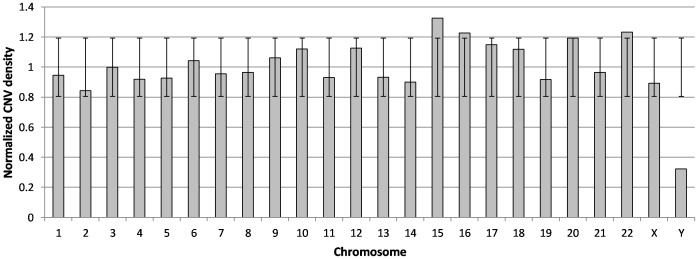
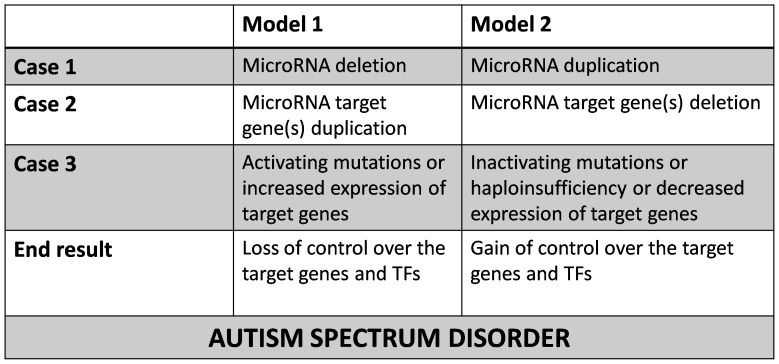
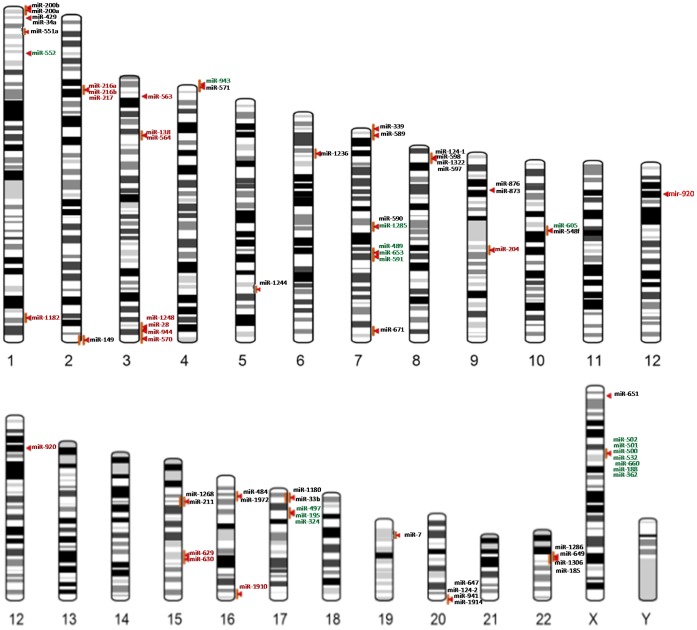
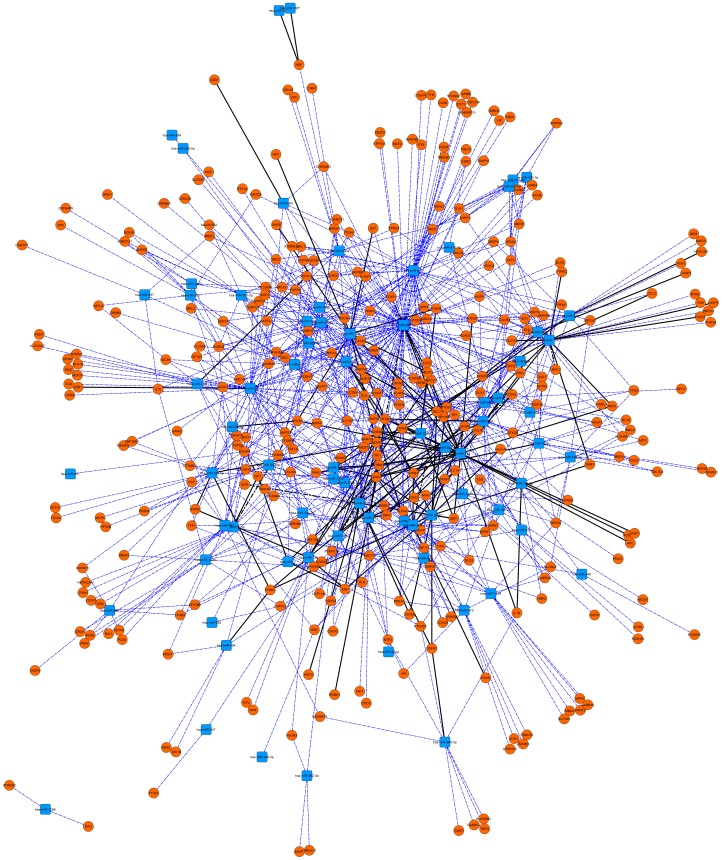
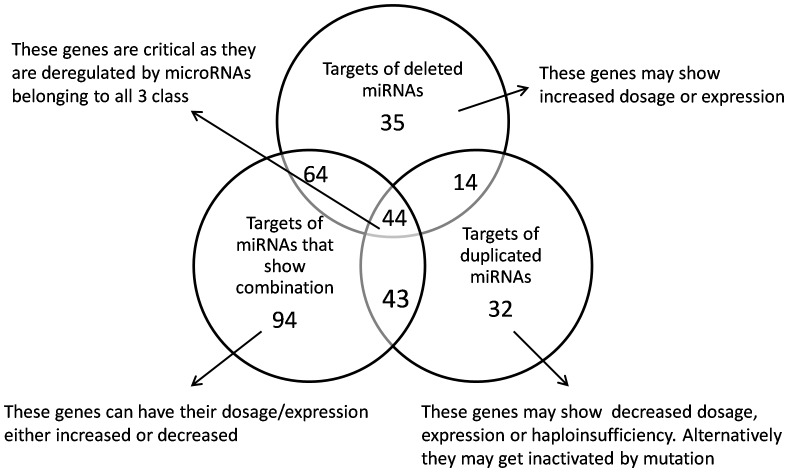
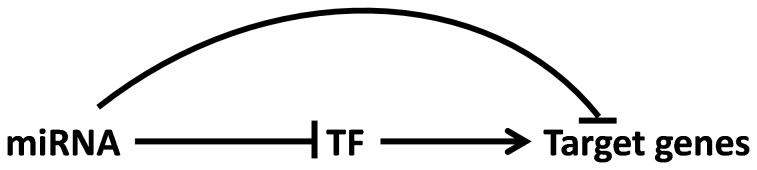
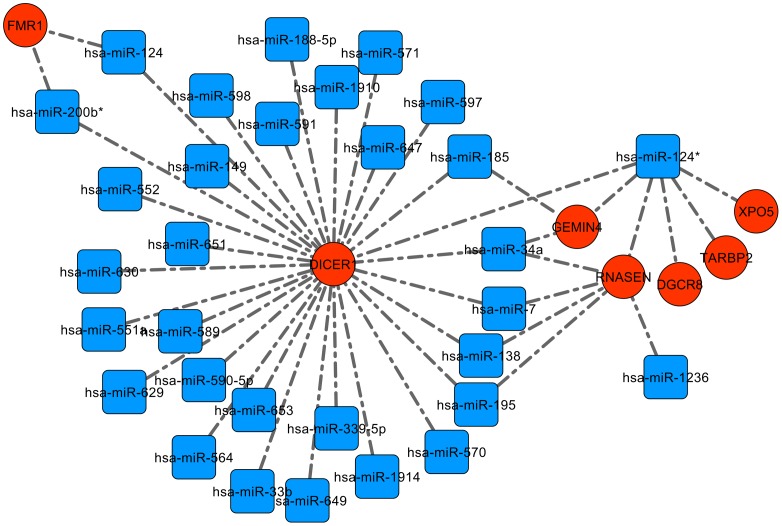
Autism spectrum disorder is a complex neurodevelopmental disorder that appears during the first three years of infancy and lasts throughout a person's life. Recently a large category of genomic structural variants, denoted as copy number variants (CNVs), were established to be a major contributor of the pathophysiology of autism. To date almost all studies have focussed only on the genes present in the CNV loci, but the impact of non-coding regulatory microRNAs (miRNAs) present in these regions remain largely unexplored. Hence we attempted to elucidate the biological and functional significance of miRNAs present in autism-associated CNV loci and their target genes by using a series of computational tools. We demonstrate that nearly 11% of the CNV loci harbor miRNAs and a few of these miRNAs were previously reported to be associated with autism. A systematic analysis of the CNV-miRNAs based on their interactions with the target genes enabled the identification of top 10 miRNAs namely hsa-miR-590-3p, hsa-miR-944, hsa-miR-570, hsa-miR-34a, hsa-miR-124, hsa-miR-548f, hsa-miR-429, hsa-miR-200b, hsa-miR-195 and hsa-miR-497 as hub molecules. Further, the CNV-miRNAs formed a regulatory loop with transcription factors and their downstream target genes, and annotation of these target genes indicated their functional involvement in neurodevelopment and synapse. Moreover, miRNAs present in deleted and duplicated CNV loci may explain the difference in dosage of the crucial genes controlled by them. These CNV-miRNAs can also impair the global processing and biogenesis of all miRNAs by targeting key molecules in the miRNA pathway. To our knowledge, this is the first report to highlight the significance of CNV-microRNAs and their target genes to contribute towards the genetic heterogeneity and phenotypic variability of autism.
自闭症谱系障碍是一种复杂的神经发育障碍,在婴儿期的头三年出现,并持续一生。最近,大量基因组结构变异被确定为自闭症病理生理学的主要贡献者,这些变异被标记为拷贝数变异(CNVs)。迄今为止,几乎所有的研究都只集中在 CNV 基因座中存在的基因上,但这些区域中存在的非编码调控 microRNAs(miRNAs)的影响在很大程度上仍未得到探索。因此,我们试图通过一系列计算工具阐明与自闭症相关的 CNV 基因座中存在的 miRNAs 及其靶基因的生物学和功能意义。我们证明,近 11%的 CNV 基因座含有 miRNAs,其中一些 miRNAs 以前被报道与自闭症有关。基于与靶基因的相互作用,对 CNV-miRNAs 进行系统分析,确定了前 10 个 miRNAs,即 hsa-miR-590-3p、hsa-miR-944、hsa-miR-570、hsa-miR-34a、hsa-miR-124、hsa-miR-548f、hsa-miR-429、hsa-miR-200b、hsa-miR-195 和 hsa-miR-497,作为枢纽分子。此外,CNV-miRNAs 与转录因子及其下游靶基因形成一个调控环,这些靶基因的注释表明它们在神经发育和突触中的功能参与。此外,缺失和重复 CNV 基因座中的 miRNAs 可能解释了它们控制的关键基因剂量的差异。这些 CNV-miRNAs 还可以通过靶向 miRNA 通路中的关键分子来损害所有 miRNA 的全局加工和生物发生。据我们所知,这是第一个强调 CNV-miRNAs 及其靶基因对自闭症遗传异质性和表型可变性的重要性的报告。