Department of Genetics, Albert Einstein College of Medicine, Bronx, New York 10461, USA.
G3 (Bethesda). 2013 Mar;3(3):541-52. doi: 10.1534/g3.112.005199. Epub 2013 Mar 1.
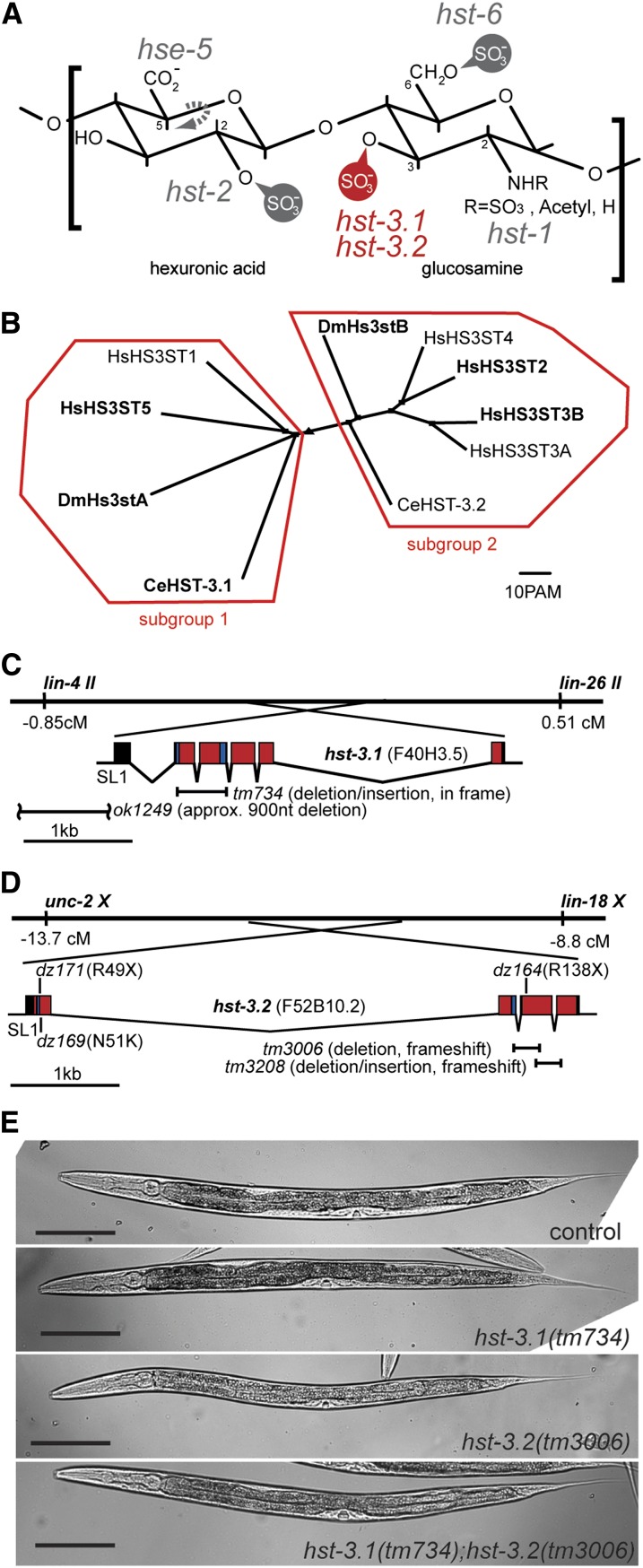
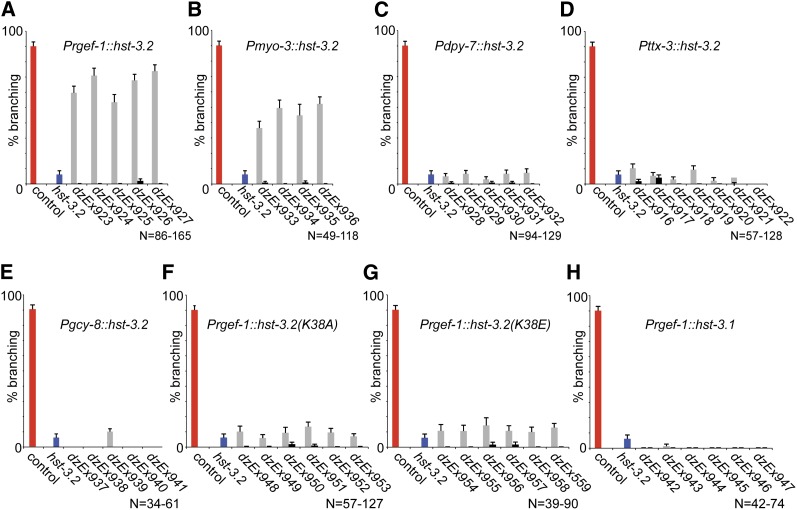
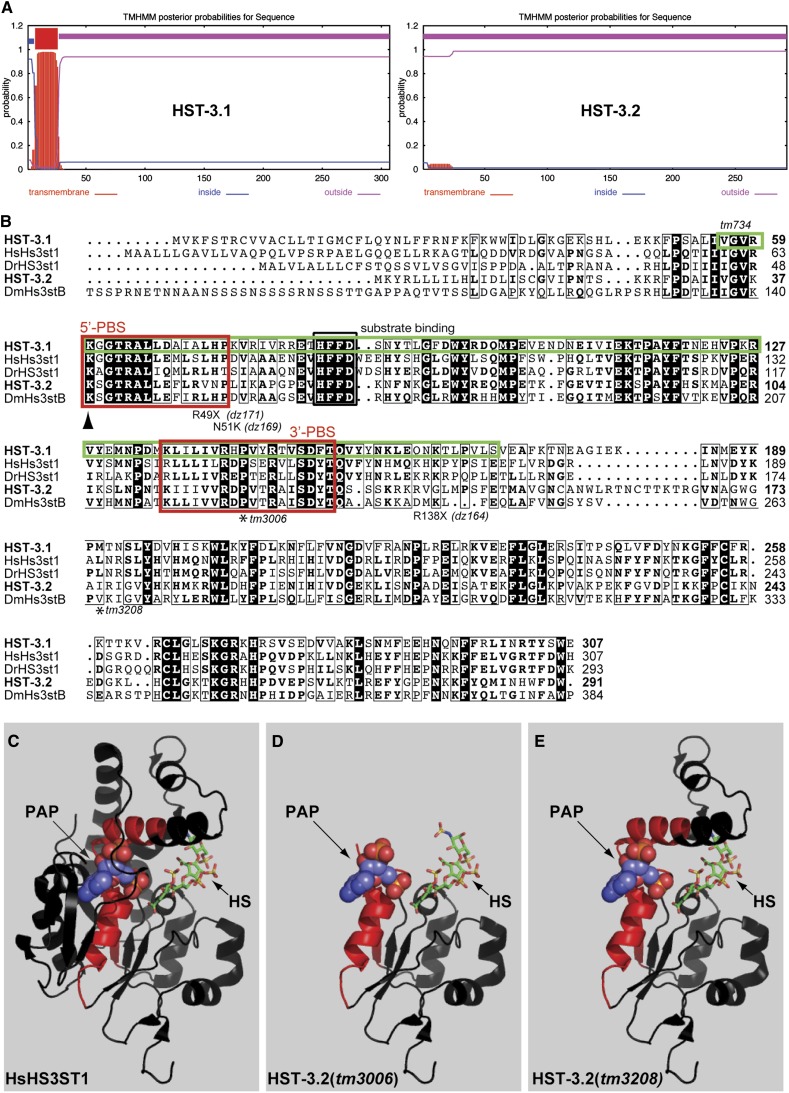
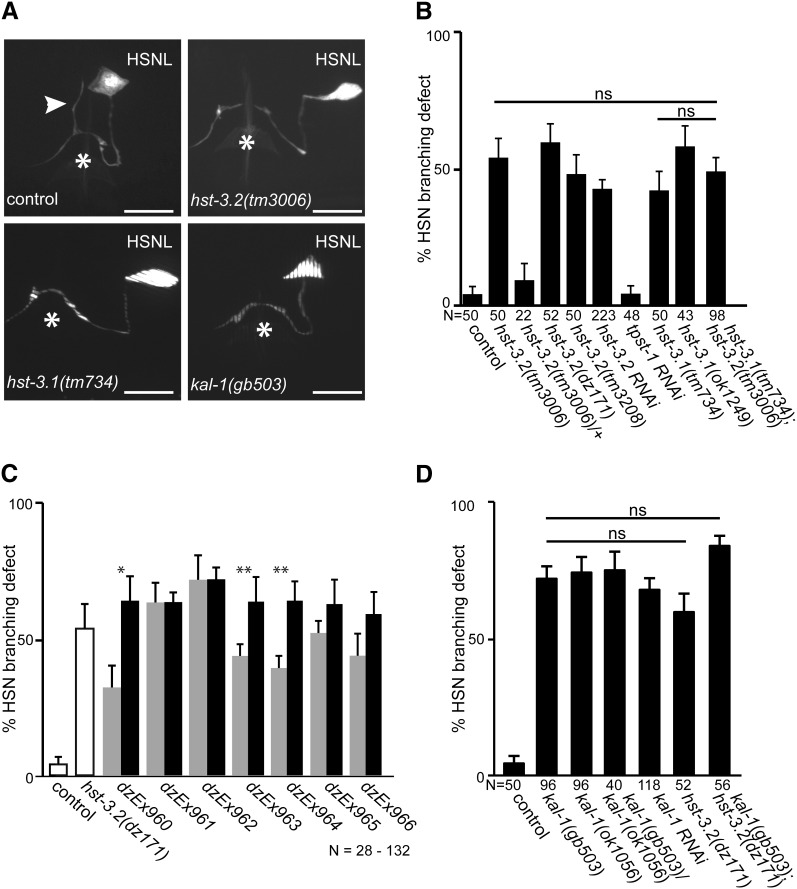
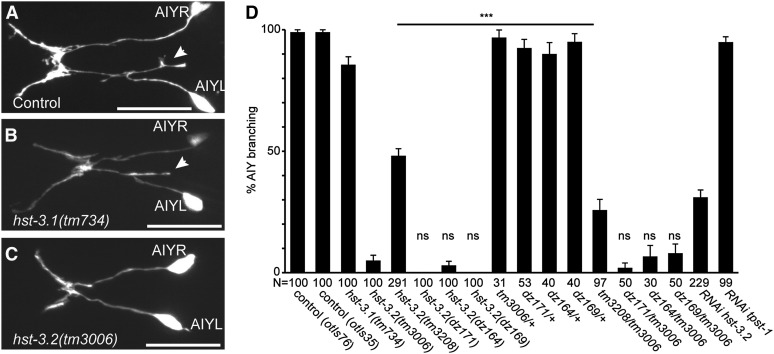
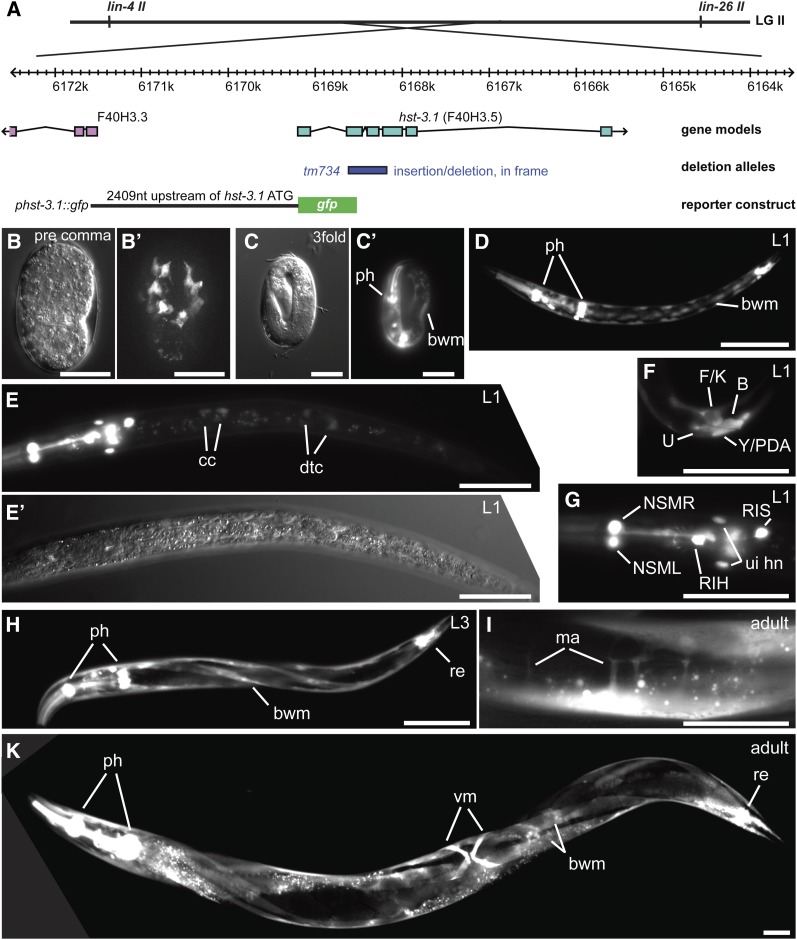
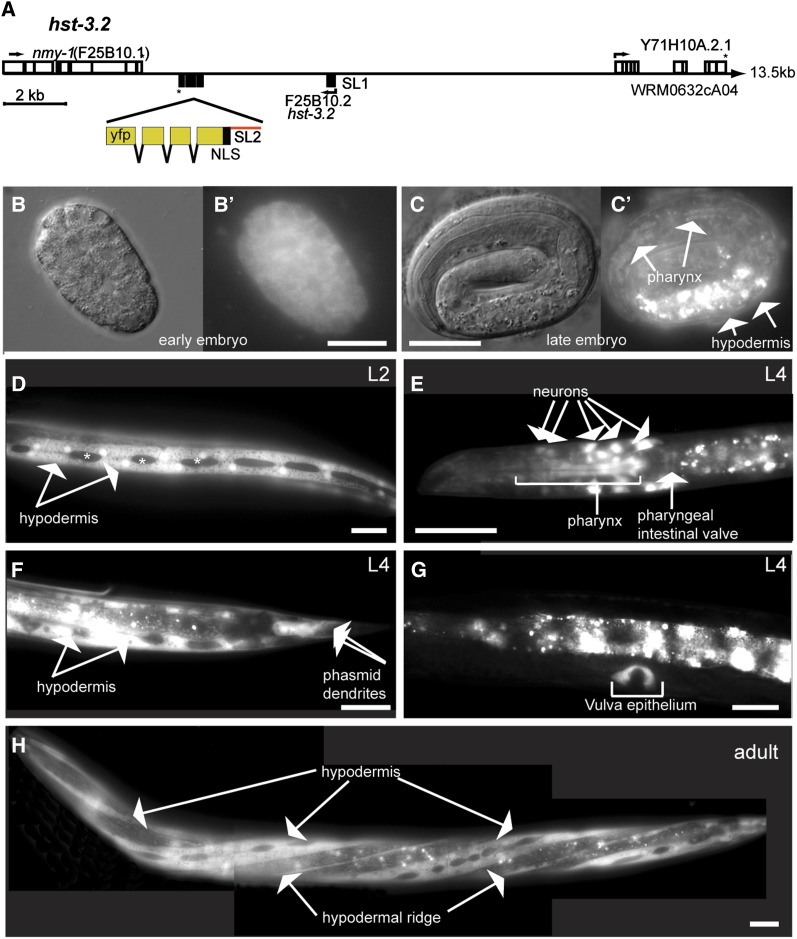
Heparan sulfate (HS) is an unbranched glycosaminoglycan exhibiting substantial molecular diversity due to multiple, nonuniformly introduced modifications, including sulfations, epimerization, and acetylation. HS modifications serve specific and instructive roles in neuronal development, leading to the hypothesis of a HS code that regulates nervous system patterning. Although the in vivo roles of many of the HS modifications have been investigated, very little is known about the function of HS 3-O-sulfation in vivo. By examining patterning of the Caenorhabditis elegans nervous system in loss of function mutants of the two 3-O-sulfotransferases, hst-3.1 and hst-3.2, we found HS 3-O-sulfation to be largely dispensable for overall neural development. However, generation of stereotypical neurite branches in hermaphroditic-specific neurons required hst-3.1, hst-3.2, as well as an extracellular cell adhesion molecule encoded by kal-1, the homolog of Kallmann Syndrome associated gene 1/anosmin-1. In contrast, kal-1-dependent neurite branching in AIY neurons required catalytic activity of hst-3.2 but not hst-3.1. The context-dependent requirement for hst-3.2 and hst-3.1 indicates that both enzymes generate distinct types of HS modification patterns in different cell types, which regulate kal-1 to promote neurite branching. We conclude that HS 3-O-sulfation does not play a general role in establishing the HS code in C. elegans but rather plays a specialized role in a context-dependent manner to establish defined aspects of neuronal circuits.
硫酸乙酰肝素(HS)是一种未分支的糖胺聚糖,由于存在多种不均匀引入的修饰,包括硫酸化、差向异构化和乙酰化,因此表现出显著的分子多样性。HS 修饰在神经元发育中具有特定的指导作用,这导致了 HS 编码调节神经系统模式形成的假说。尽管已经研究了许多 HS 修饰的体内作用,但对于 HS 3-O-硫酸化在体内的功能知之甚少。通过检查丧失功能的两个 3-O-磺基转移酶 hst-3.1 和 hst-3.2 的 Caenorhabditis elegans 神经系统模式形成,我们发现 HS 3-O-硫酸化在整体神经发育中很大程度上是可有可无的。然而,在雌雄同体特异性神经元中,典型的神经突分支的产生需要 hst-3.1、hst-3.2 以及由编码 kal-1 的基因编码的细胞外细胞粘附分子,kal-1 是 Kallmann 综合征相关基因 1/anosmin-1 的同源物。相比之下,在 AIY 神经元中,kal-1 依赖的神经突分支需要 hst-3.2 的催化活性,但不需要 hst-3.1。hst-3.2 和 hst-3.1 的依赖于背景的需求表明,这两种酶在不同的细胞类型中产生不同类型的 HS 修饰模式,从而调节 kal-1 促进神经突分支。我们得出结论,HS 3-O-硫酸化在 C. elegans 中并没有普遍发挥作用来建立 HS 编码,而是以依赖于背景的方式发挥特殊作用,以建立神经元回路的特定方面。