Departamento de Análises Clínicas, Faculdade de Ciências Farmacêuticas, Unesp-Univ Estadual Paulista, Araraquara, SP 14801-902, Brazil.
Molecules. 2013 Mar 1;18(3):2821-39. doi: 10.3390/molecules18032821.
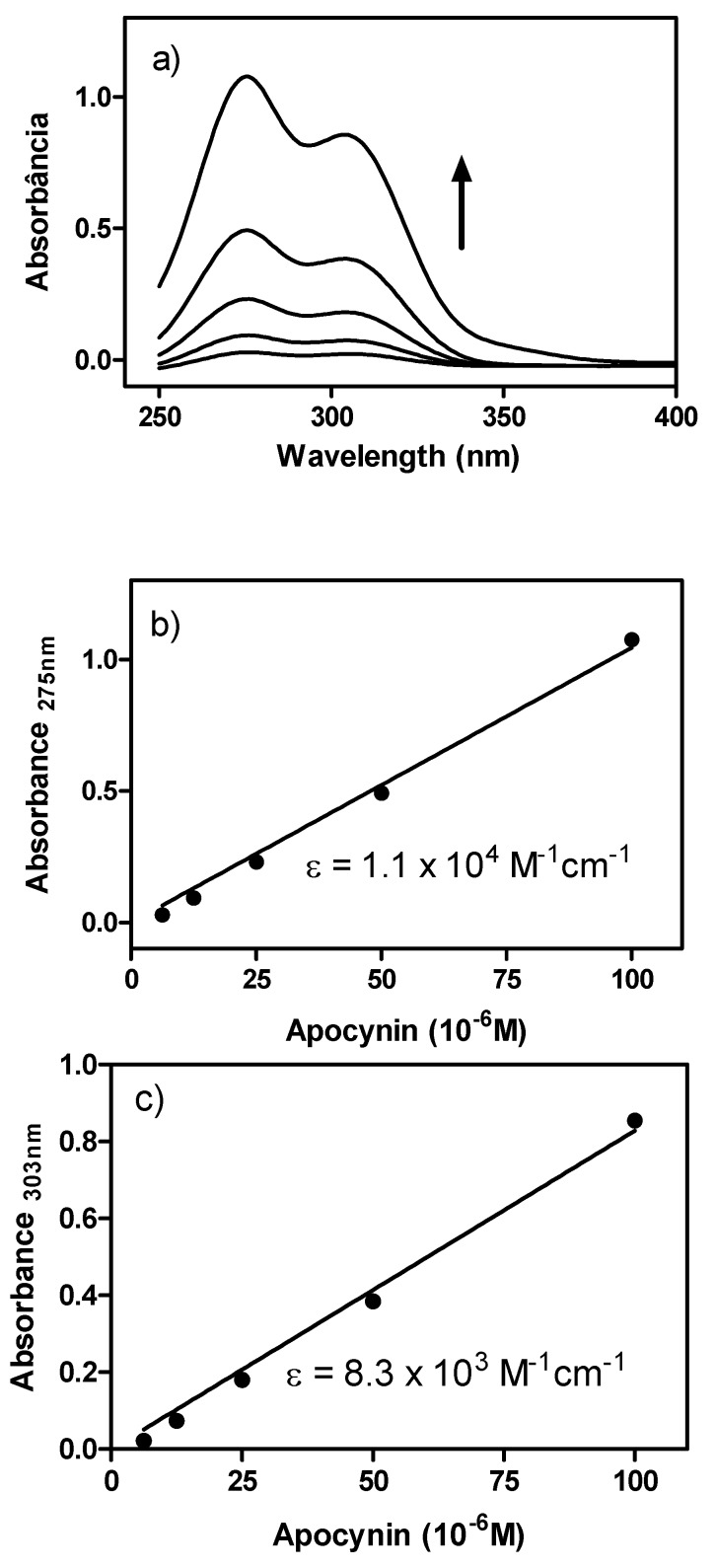
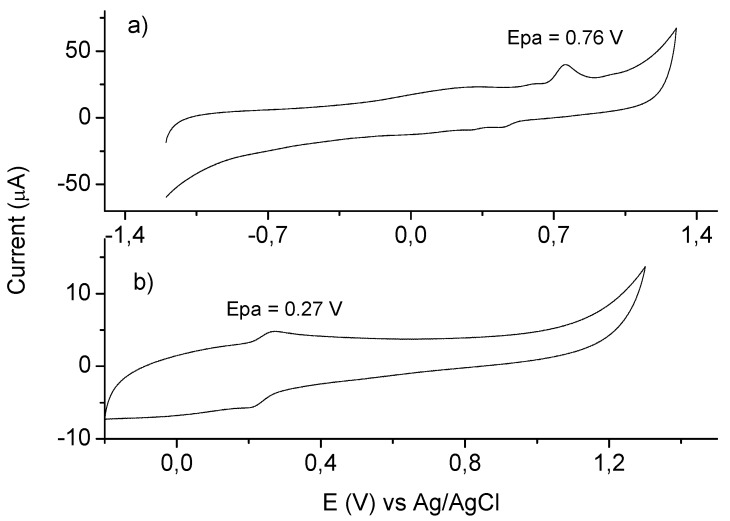
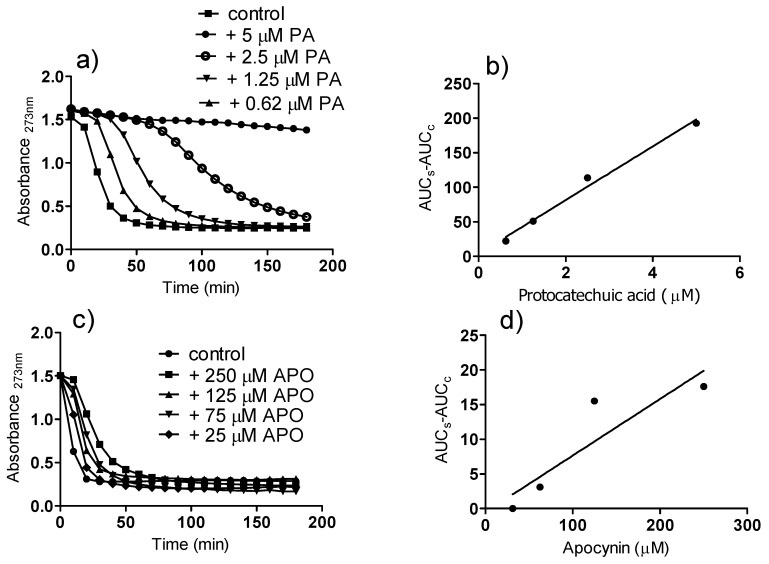
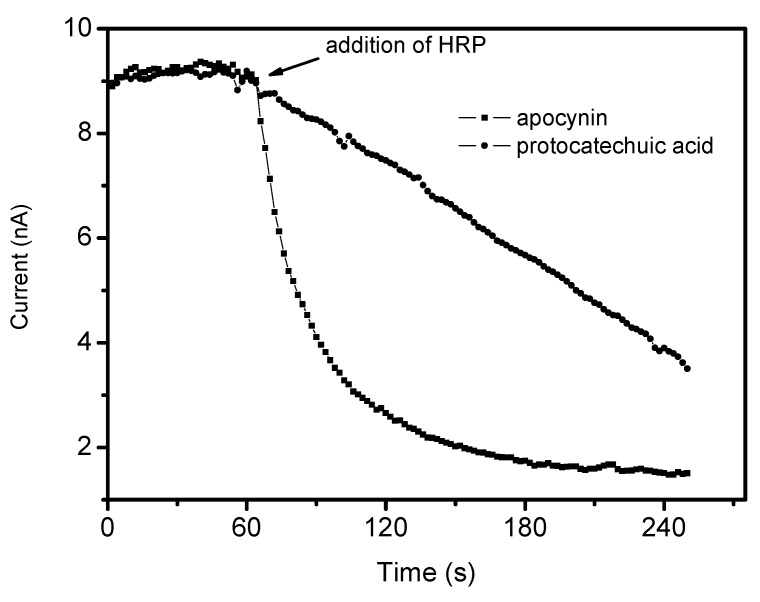
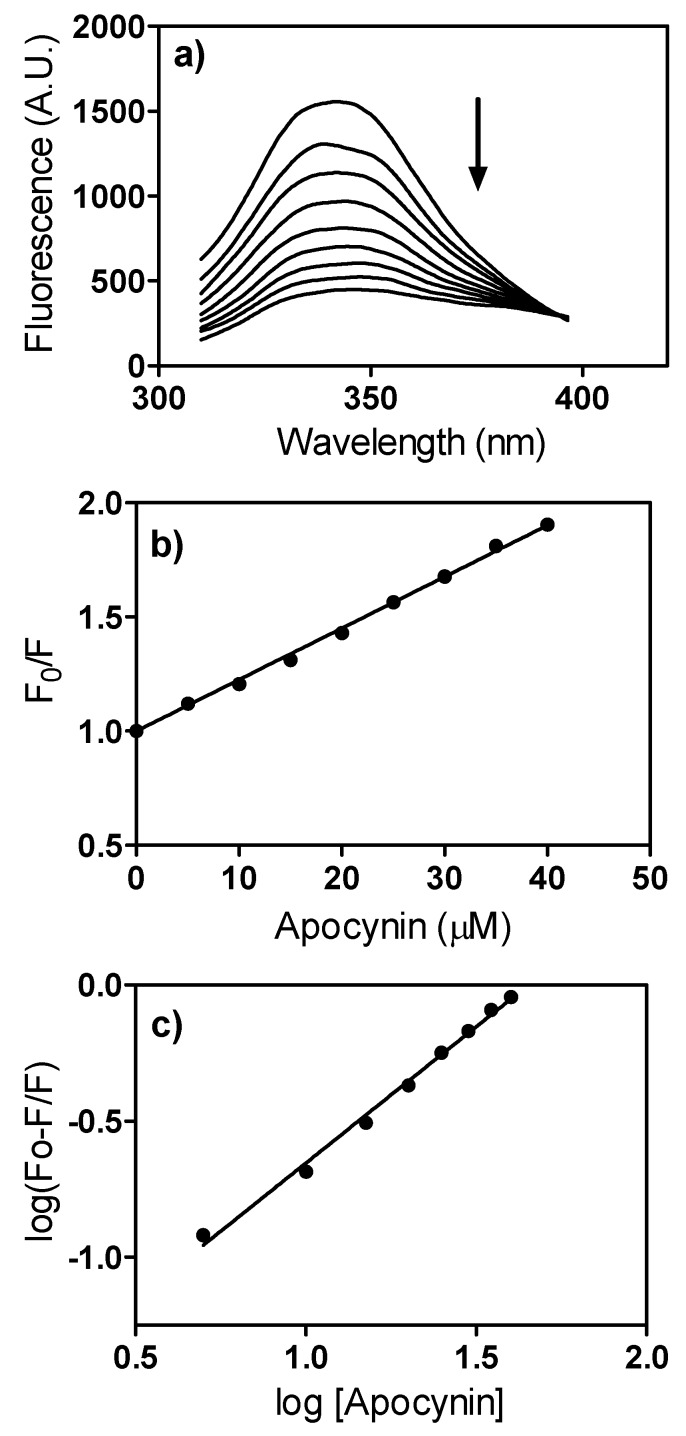
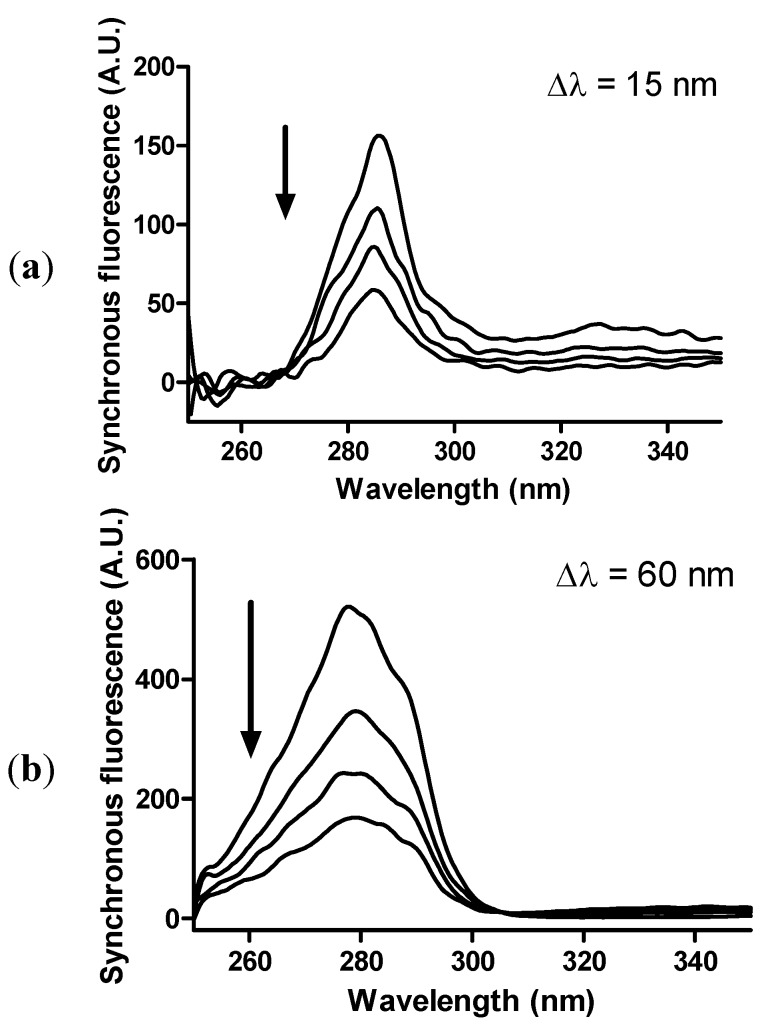
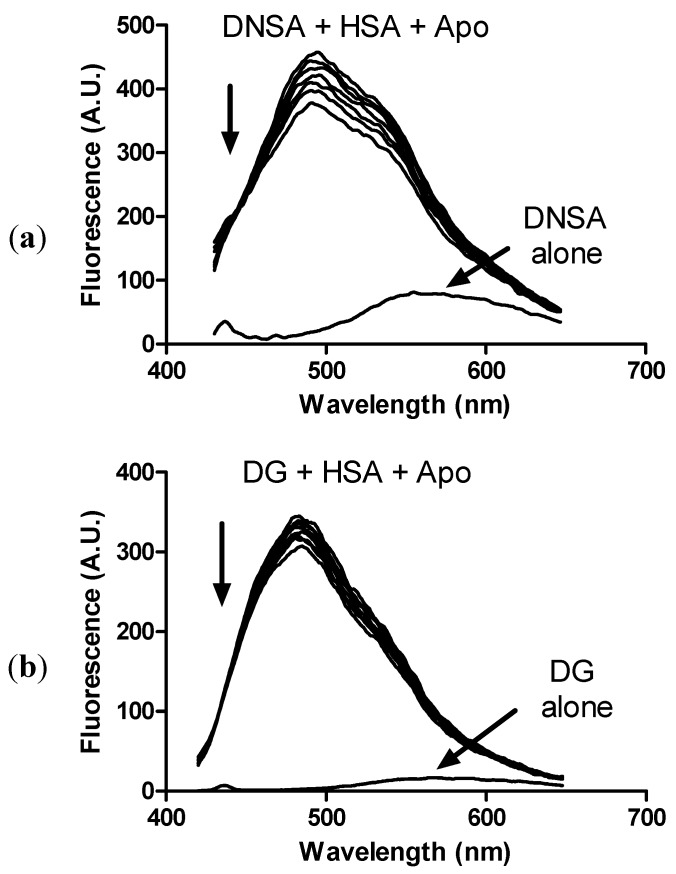
Apocynin is the most employed inhibitor of NADPH oxidase (NOX), a multienzymatic complex capable of catalyzing the one-electron reduction of molecular oxygen to the superoxide anion. Despite controversies about its selectivity, apocynin has been used as one of the most promising drugs in experimental models of inflammatory and neurodegenerative diseases. Here, we aimed to study the chemical and biophysical properties of apocynin. The oxidation potential was determined by cyclic voltammetry (Epa = 0.76V), the hydrophobicity index was calculated (logP = 0.83) and the molar absorption coefficient was determined (e275nm = 1.1 × 10⁴ M-1 cm-1). Apocynin was a weak free radical scavenger (as measured using the DPPH, peroxyl radical and nitric oxide assays) when compared to protocatechuic acid, used here as a reference antioxidant. On the other hand, apocynin was more effective than protocatechuic acid as scavenger of the non-radical species hypochlorous acid. Apocynin reacted promptly with the non-radical reactive species H2O2 only in the presence of peroxidase. This finding is relevant, since it represents a new pathway for depleting H2O2 in cellular experimental models, besides the direct inhibition of NADPH oxidase. This could be relevant for its application as an inhibitor of NOX4, since this isoform produces H2O2 and not superoxide anion. The binding parameters calculated by fluorescence quenching showed that apocynin binds to human serum albumin (HSA) with a binding affinity of 2.19 × 10⁴ M-1. The association did not alter the secondary and tertiary structure of HSA, as verified by synchronous fluorescence and circular dichroism. The displacement of fluorescent probes suggested that apocynin binds to site I and site II of HSA. Considering the current biomedical applications of this phytochemical, the dissemination of these chemical and biophysical properties can be very helpful for scientists and physicians interested in the use of apocynin.
阿朴肉桂酸是 NADPH 氧化酶(NOX)最常用的抑制剂,NOX 是一种多酶复合物,能够催化氧分子的单电子还原为超氧阴离子。尽管关于其选择性存在争议,但阿朴肉桂酸已被用作炎症和神经退行性疾病实验模型中最有前途的药物之一。在这里,我们旨在研究阿朴肉桂酸的化学和物理化学性质。通过循环伏安法(Epa = 0.76V)确定氧化电位,计算疏水性指数(logP = 0.83)并确定摩尔吸光系数(e275nm = 1.1×10⁴ M-1 cm-1)。与这里用作参考抗氧化剂的原儿茶酸相比,阿朴肉桂酸是一种较弱的自由基清除剂(如通过 DPPH、过氧自由基和一氧化氮测定法测量)。另一方面,阿朴肉桂酸作为次氯酸的非自由基清除剂比原儿茶酸更有效。只有在过氧化物酶存在的情况下,阿朴肉桂酸才会与非自由基反应性物质 H2O2 迅速反应。这一发现很重要,因为它代表了在细胞实验模型中除了直接抑制 NADPH 氧化酶之外,消耗 H2O2 的新途径。这对于将其作为 NOX4 的抑制剂的应用可能是相关的,因为这种同工酶产生 H2O2 而不是超氧阴离子。通过荧光猝灭计算的结合参数表明,阿朴肉桂酸与人血清白蛋白(HSA)的结合亲和力为 2.19×10⁴ M-1。结合没有改变 HSA 的二级和三级结构,这通过同步荧光和圆二色性得到证实。荧光探针的置换表明,阿朴肉桂酸结合到 HSA 的 I 型和 II 型结合部位。考虑到这种植物化学物质的当前生物医学应用,传播这些化学和物理化学性质对于对阿朴肉桂酸的使用感兴趣的科学家和医生非常有帮助。