Berg Rigmor C, Denison Eva
Department of Evidence-Based Health Services, Norwegian Knowledge Centre for the Health Services, St. Olavs Plass,Oslo, Norway.
Health Care Women Int. 2013 Oct;34(10):837-59. doi: 10.1080/07399332.2012.721417. Epub 2013 Mar 14.
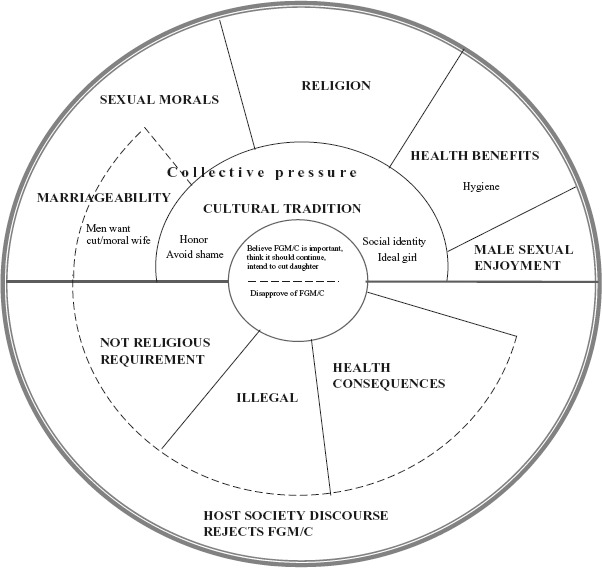
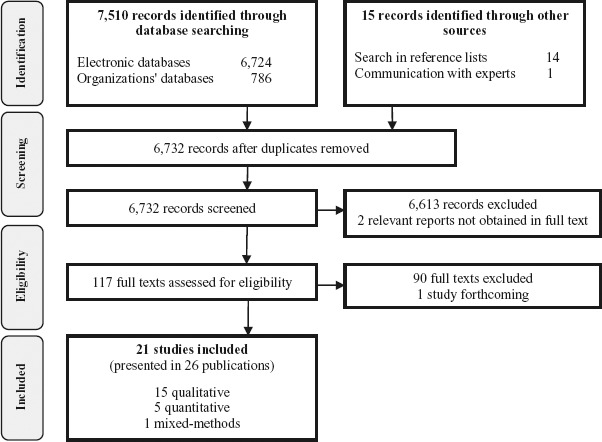
Understanding the forces underpinning female genital mutilation/ cutting (FGM/C) is a necessary first step to prevent the continuation of a practice that is associated with health complications and human rights violations. To this end, a systematic review of 21 studies was conducted. Based on this review, the authors reveal six key factors that underpin FGM/C: cultural tradition, sexual morals, marriageability, religion, health benefits, and male sexual enjoyment. There were four key factors perceived to hinder FGM/C: health consequences, it is not a religious requirement, it is illegal, and the host society discourse rejects FGM/C. The results show that FGM/C appears to be a tradition in transition.
了解女性生殖器切割背后的驱动力是防止这种与健康并发症和侵犯人权行为相关的习俗继续存在的必要第一步。为此,对21项研究进行了系统综述。基于该综述,作者揭示了女性生殖器切割背后的六个关键因素:文化传统、性道德、适婚性、宗教、健康益处和男性性快感。有四个关键因素被认为会阻碍女性生殖器切割:健康后果、它不是宗教要求、它是非法的,以及东道社会的话语拒绝女性生殖器切割。结果表明,女性生殖器切割似乎是一种正在转变的传统。