Department of Cybernetics, Czech Technical University in Prague, Prague, Czech Republic.
PLoS One. 2013;8(3):e56724. doi: 10.1371/journal.pone.0056724. Epub 2013 Mar 14.
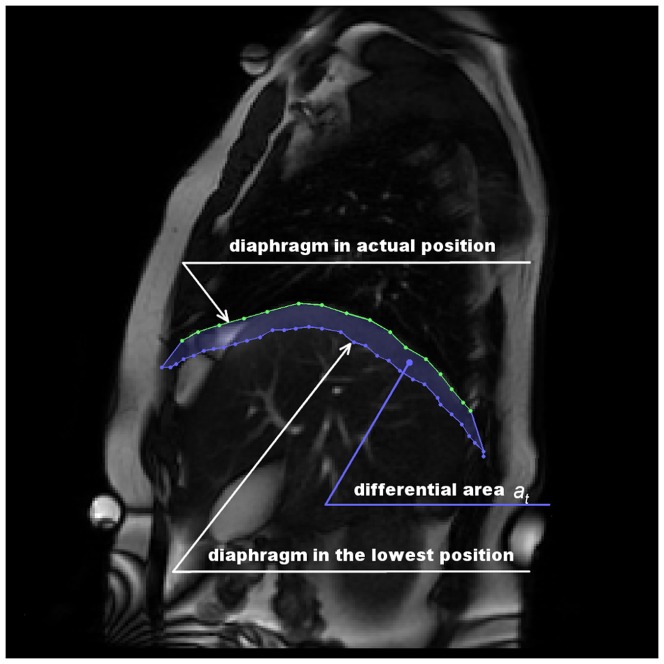
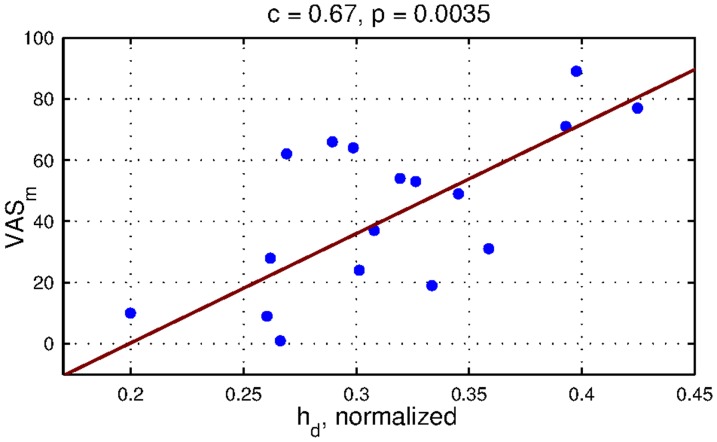
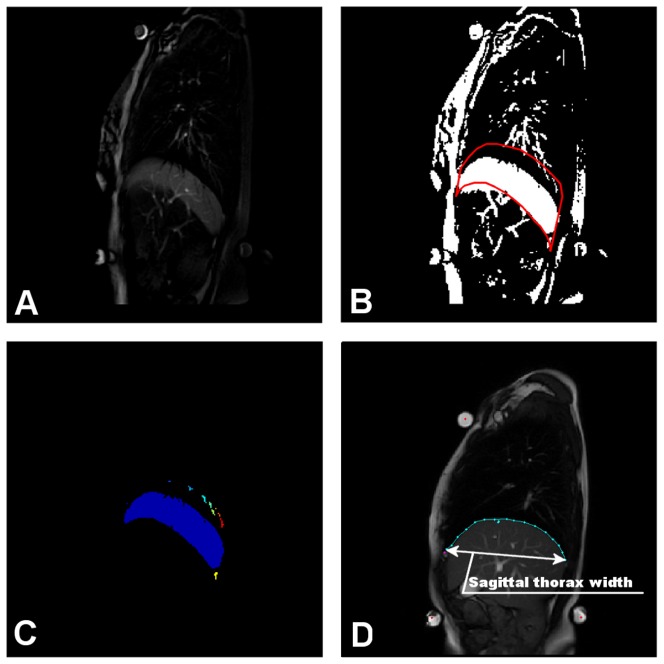
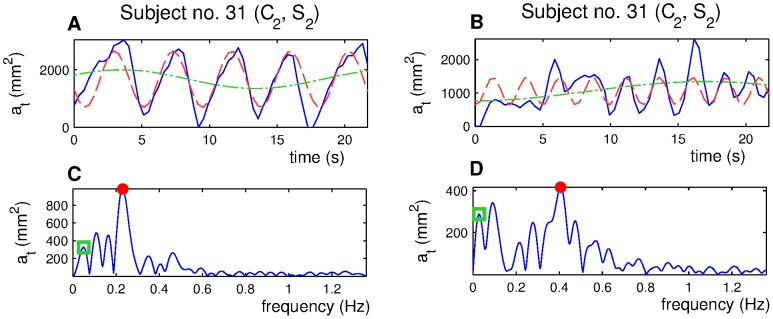
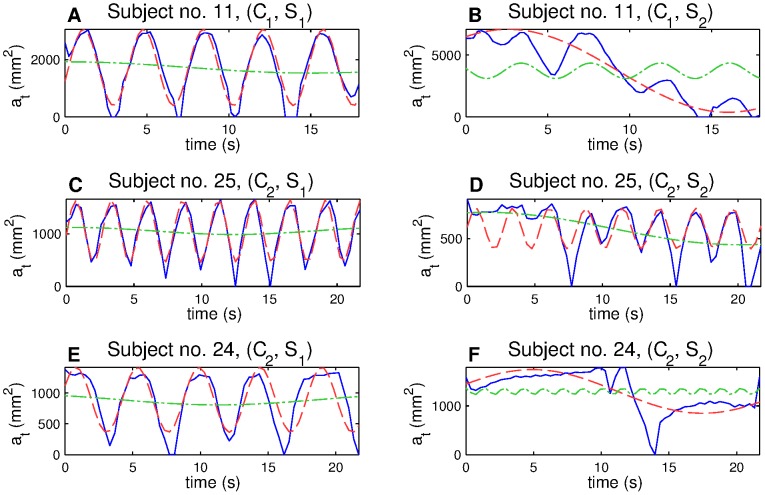
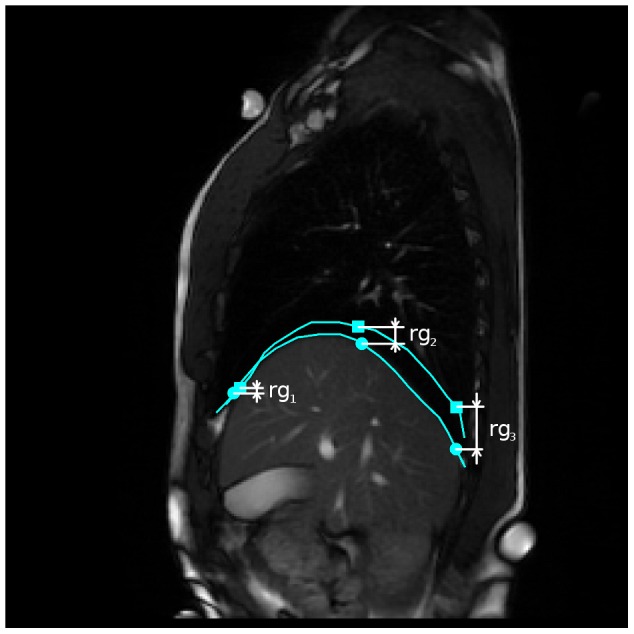
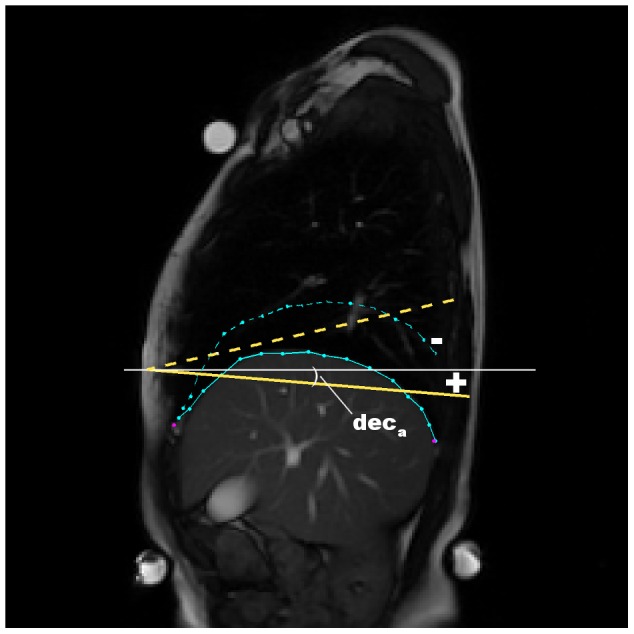
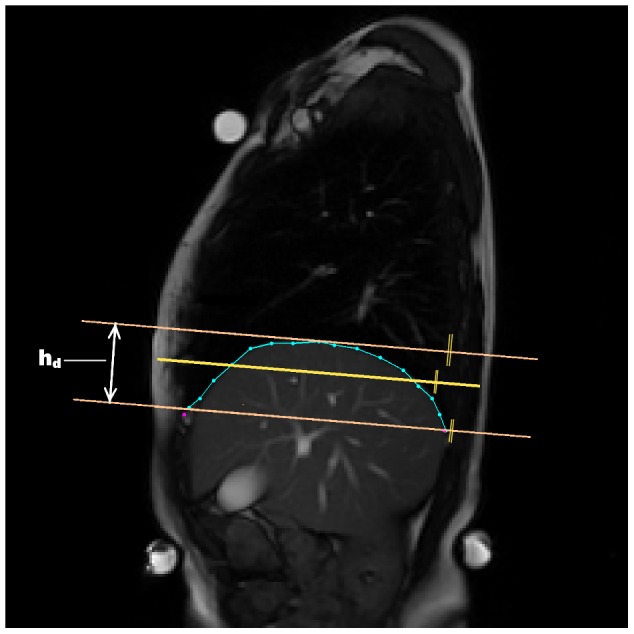
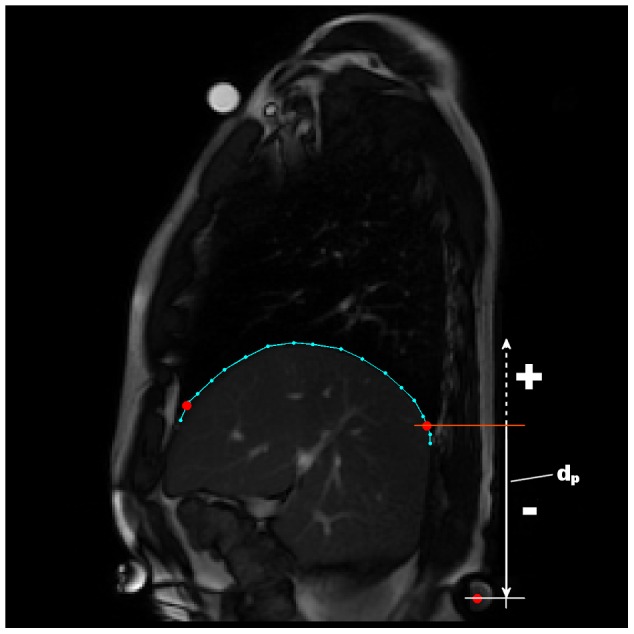
We present a postural analysis of diaphragm function using magnetic resonance imaging (MRI). The main aim of the study was to identify changes in diaphragm motion and shape when postural demands on the body were increased (loading applied to a distal part of the extended lower extremities against the flexion of the hips was used). Sixteen healthy subjects were compared with 17 subjects suffering from chronic low back pain and in whom structural spine disorders had been identified. Two sets of features were calculated from MRI recordings: dynamic parameters reflecting diaphragm action, and static parameters reflecting diaphragm anatomic characteristics. A statistical analysis showed that the diaphragm respiratory and postural changes were significantly slower, bigger in size and better balanced in the control group. When a load was applied to the lower limbs, the pathological subjects were mostly not able to maintain the respiratory diaphragm function, which was lowered significantly. Subjects from the control group showed more stable parameters of both respiratory and postural function. Our findings consistently affirmed worse muscle cooperation in the low back pain population subgroup. A clear relation with spinal findings and with low back pain remains undecided, but various findings in the literature were confirmed. The most important finding is the need to further address various mechanisms used by patients to compensate deep muscle insufficiency.
我们使用磁共振成像(MRI)对膈肌功能进行了姿势分析。该研究的主要目的是确定当身体姿势需求增加时(使用伸展的下肢远端对髋关节的屈曲施加负载)膈肌运动和形状的变化。将 16 名健康受试者与 17 名患有慢性下腰痛且已确定脊柱结构紊乱的受试者进行了比较。从 MRI 记录中计算了两组特征:反映膈肌作用的动态参数和反映膈肌解剖特征的静态参数。统计分析表明,对照组的膈肌呼吸和姿势变化明显更慢、更大,且平衡更好。当对下肢施加负载时,大多数病理性受试者无法维持呼吸膈肌功能,该功能显著降低。对照组的受试者表现出更稳定的呼吸和姿势功能参数。我们的研究结果一致证实,腰痛人群亚组的肌肉协同作用更差。与脊柱发现和腰痛之间的明确关系仍未确定,但文献中的各种发现得到了证实。最重要的发现是需要进一步探讨患者用于补偿深部肌肉不足的各种机制。